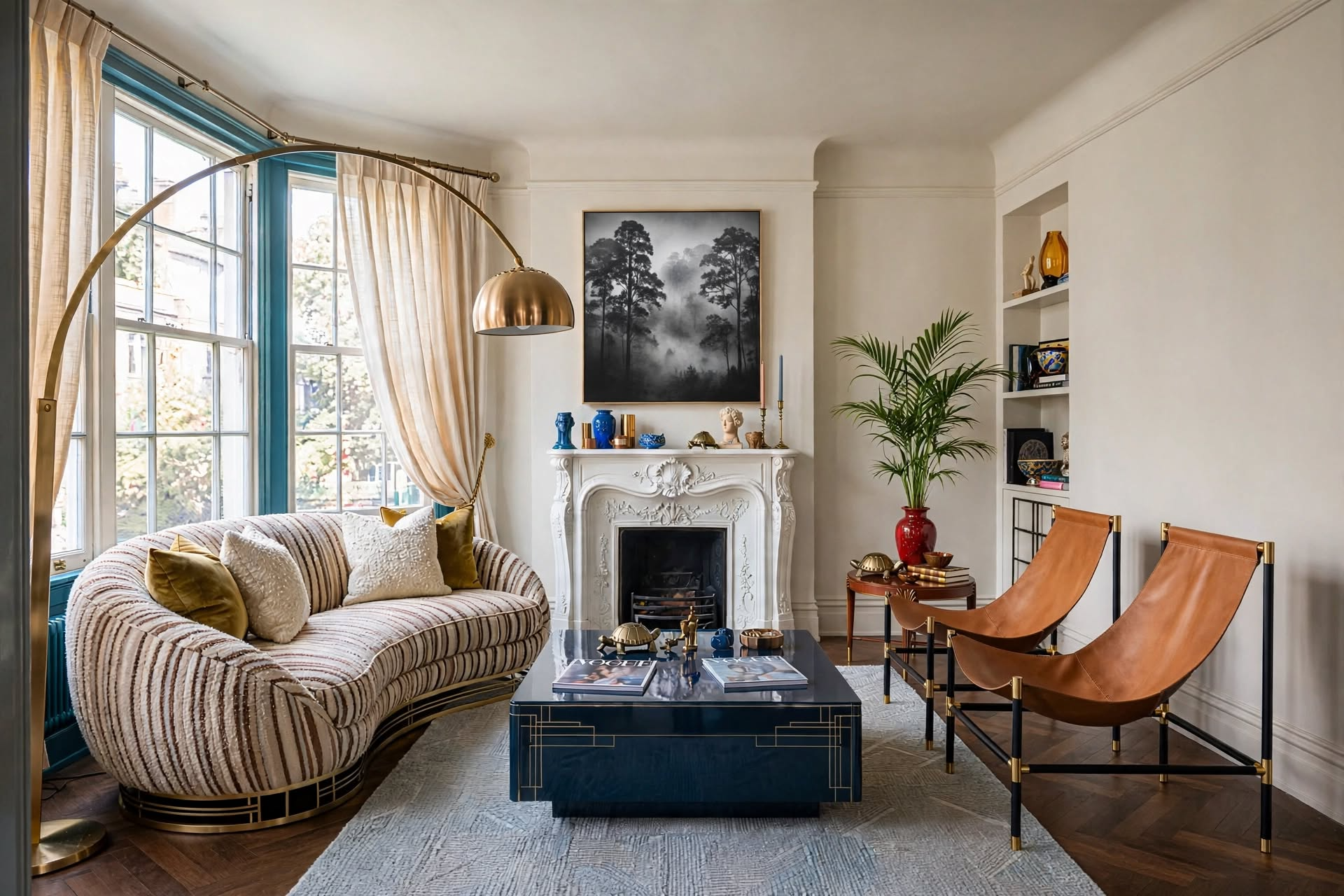
Small Studio Apartment Ideas for Men: How to Decorate Like a Pro (Without the Mistakes)
Small studio apartment ideas for men come down to three things: smart zoning, dual-purpose furniture, and one intentional design style. Skip the impulse buys. Start with a floor plan, anchor the room with a rug, and use vertical space. Everything else is layering. This guide walks you through every step.
Small studio apartment ideas are everywhere online — and somehow, none of them look like your apartment. You’ve scrolled Pinterest. You’ve watched the YouTube walkthroughs. You bought the rug. And it still feels like a storage unit with ambitions.

Here’s the truth: most small studio apartment guides are written for spaces, not for the actual humans living in them. Especially not for men who want something that feels sharp, intentional, and honestly — kind of impressive — without looking like a furniture showroom or a college dorm that aged badly.
This guide is different. It’s built on real designer logic, addresses the messy frustrations you’ve probably already googled at 11pm, and gives you a clear, step-by-step system to actually pull it off.
What You’ll Learn in This Small Studio Apartment Guide
- Step 1: Start Here Before You Buy a Single Thing
- Step 2: Zone Your Studio Like a Designer
- Step 3: Choose Furniture That Works Twice as Hard
- Step 4: The Vibe Check — Find Your Style
- Step 5: Color, Mood & Texture
- Step 6: Real-Life Fixes for the Top 5 Studio Problems
- The Designer’s Cheat Sheet
- Visual Anti-Patterns to Avoid
- Upcoming Trends Worth Knowing
- Shop the Look
- FAQ
Step 1: Start Here Before You Buy a Single Thing

The single biggest mistake men make with small studio apartment ideas is shopping before planning. You see a cool coffee table, you buy it, and three weeks later you’re doing a nine-point turn to get to your kitchen. Sound familiar?
Before you open Wayfair or walk into any store, you need two things: a rough floor plan sketch (even on paper) and a clear answer to this question — what do I actually do in this apartment?
Do you work from home? Entertain on weekends? Game at night? Your answers completely determine your layout priorities. A guy who hosts needs a different setup than a guy who mostly sleeps there between long work weeks.
“The best studio apartments feel spacious not because they’re large, but because every inch has been considered. Start with behavior, not aesthetics.” — Emily Henderson, Interior Designer & Author
Step 2: Zone Your Small Studio Apartment Like a Designer

Zoning is the design move that separates a chaotic studio from a polished one. When everything bleeds into everything else — bed next to the kitchen next to your desk — the brain can’t relax because it never knows what “mode” it’s in. Designers call this spatial ambiguity, and it’s why your apartment might feel unsettled even when it’s technically clean.
The solution isn’t building walls. It’s using furniture, rugs, and lighting as soft dividers.
Designer Strategy: Scale & Placement
The number one zoning mistake in small studio apartment is using furniture that’s too small. Small furniture in a small room doesn’t make it feel bigger — it makes it feel chaotic. Instead, use fewer, larger pieces with clear sightlines between them.
- The 2/3 Rule: Your sofa should take up roughly two-thirds of the living zone’s width — not the full room width. This creates breathing room on the sides while still feeling anchored.
- The 18-inch clearance: Always leave 18 inches between your sofa and coffee table. It feels like nothing on paper and everything in real life.
- The bookcase divider: An open bookcase placed perpendicular to the wall is the cleanest way to divide sleeping and living zones without losing light or making the room feel smaller. It stores things, defines space, and adds visual interest simultaneously.


Step 3: Choose Furniture That Works Twice as Hard

In a small studio apartment, every piece of furniture needs to earn its square footage. That doesn’t mean buying cheap multipurpose furniture that collapses in three months. It means thinking in terms of function density — how many jobs can this one piece do well?
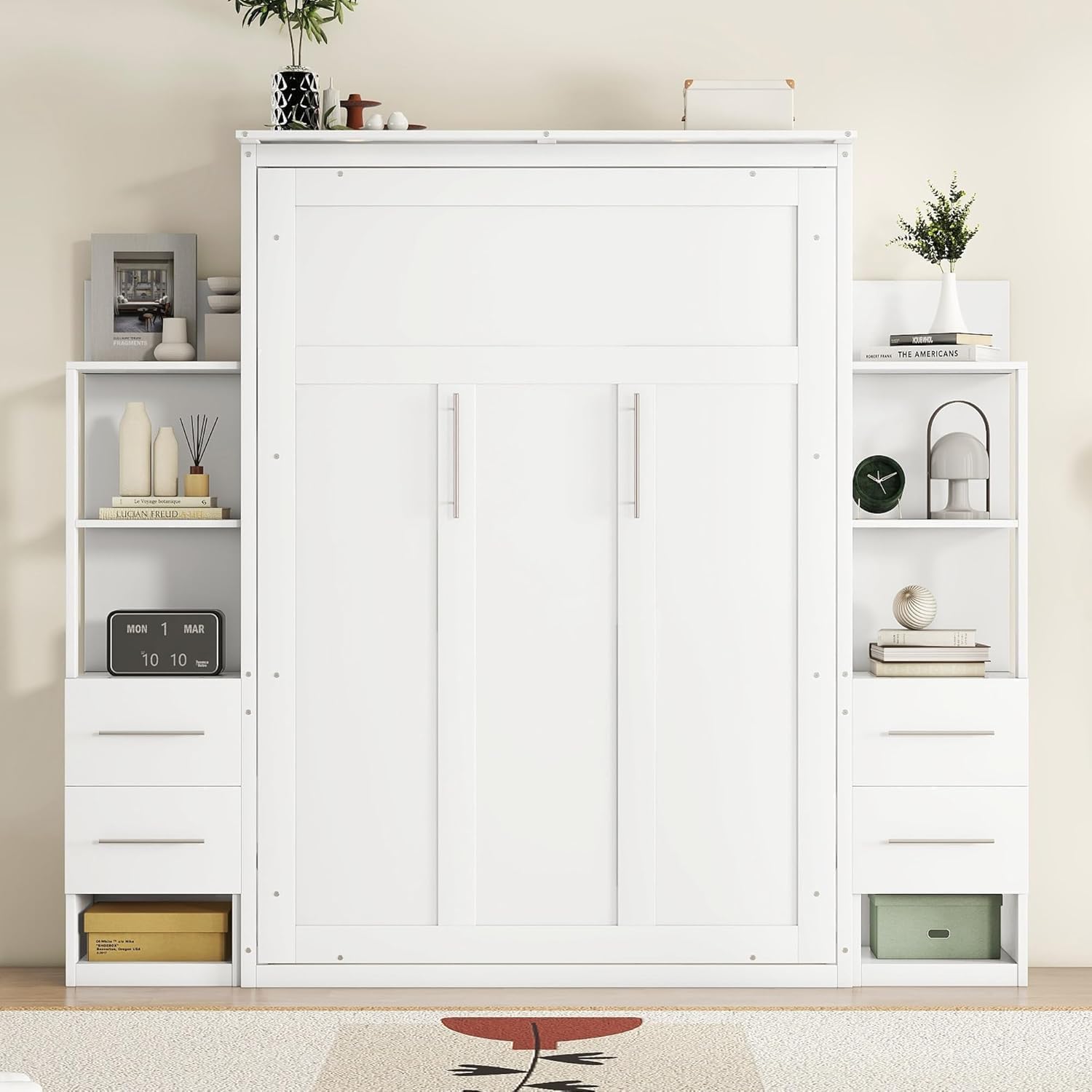
A lift-top coffee table stores remotes, charging cables, and extra blankets while doubling as a dining surface. A loveseat with an ottoman gives you seating, a footrest, and a secondary surface. A murphy bed turns your entire bedroom into living space during daylight hours.


| Option | Best For | Space Required | Multifunctional? | Designer Rating |
|---|---|---|---|---|
| Loveseat + Ottoman | Socializing + relaxing | ~60–70″ wide | Yes — ottoman = storage, table, footrest | ★★★★★ |
| Full Sofa (84″+) | Lounging, watching TV | ~90″+ wide | Somewhat | ★★★☆☆ |
| Accent Chair + Poufs | Minimal studios, solo living | ~35″ wide | Yes — poufs move anywhere | ★★★★☆ |
| Floor Seating + Low Table | Urban minimal, Japanese-inspired | Minimal | Very flexible | ★★★☆☆ |
| Foldable Bistro Chairs | Dining + occasional guests | Almost none when stored | Yes — fold away completely | ★★★★☆ |


A murphy bed with integrated storage shelves is the single highest-impact piece of furniture you can buy for a small studio. During the day, your bedroom is your living room — and that changes everything about how the space feels and functions. If your budget allows one premium piece, this is it.


Step 4: The Vibe Check — Find Your Style Before You Shop

This is the step most decorating guides skip, and it’s why so many small studio apartments look like a mood board explosion. You don’t need a Pinterest board with 400 pins. You need to pick one clear aesthetic and commit to it.
Not sure which style fits you? The personality-to-layout match below will make the choice obvious. If you want to go deeper, take the Interior Design Style Quiz — it’s free and gives you a clear direction in minutes.
Whichever vibe you choose, stick to it across every category — furniture, rug, lighting, accessories. One off-theme piece is fine. Three off-theme pieces is visual noise. Use a mood board to keep yourself honest before you buy.
Go Deeper 31 Most Important Popular Interior Design Styles You Should Know AboutStep 5: Color, Mood & Texture in a Small Studio Apartment

Color in a small studio apartment does two things: sets the emotional tone of the space and either expands or compresses the room visually. Most guys default to white or gray because it feels “safe.” But safe often reads as unfinished.
The real rule? Pick a dominant neutral, one warm accent, and one texture material. That’s your complete color story. Everything else is repetition of those three elements.
Designer Strategy: Color, Mood & Texture
- Use one statement wall: A deep charcoal, forest green, or warm terracotta on a single wall instantly anchors the room and gives the studio a sense of depth without overwhelming it.
- Warm your neutrals: Bright white feels clinical in small spaces. Opt for off-white, linen, or warm greige. These tones make rooms feel intentionally designed rather than simply unpainted.
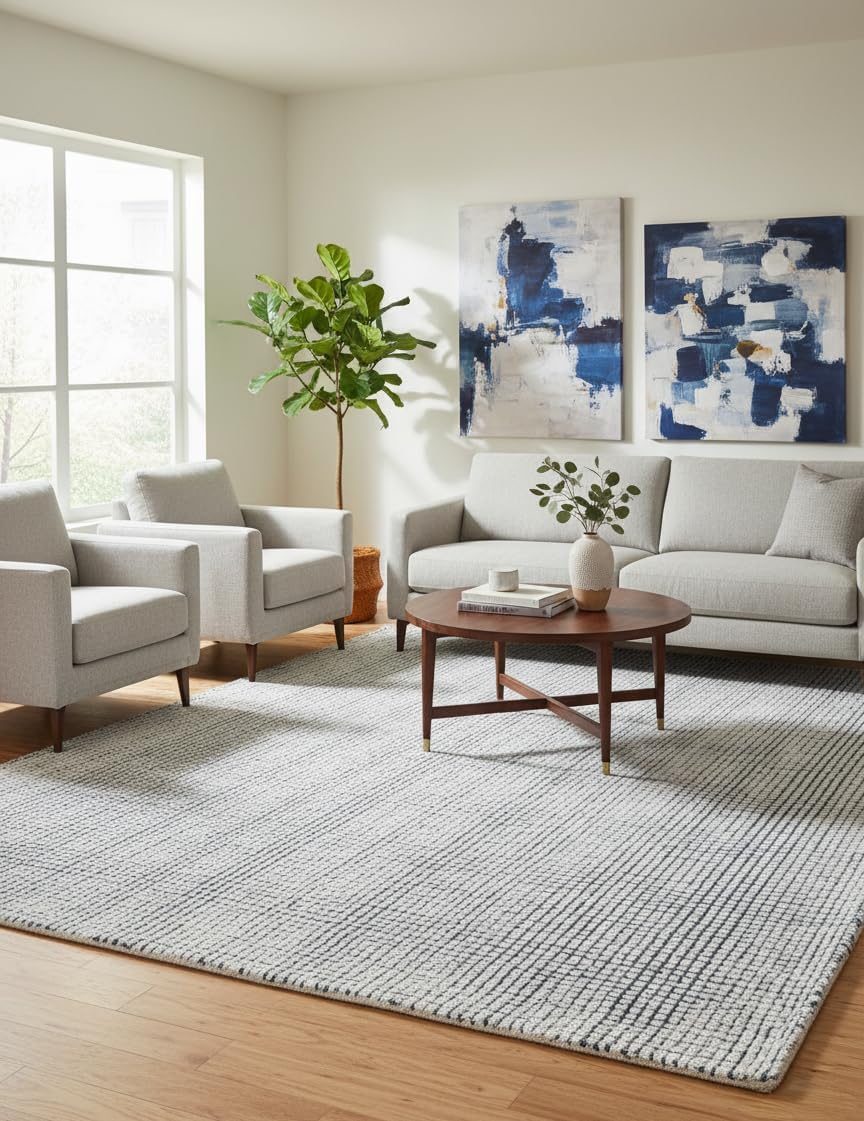
- Layer texture before color: A wool rug, a leather chair, a linen throw — these add visual richness without adding more paint or more furniture. Texture is what separates a finished room from a showroom.



Step 6: Real-Life Fixes for the Top 5 Small Studio Apartment Problems

These are the actual questions showing up in Reddit threads and DMs at 2am. The “why doesn’t mine look like Pinterest?” problems. Each one has a real, specific fix.
The bed takes over everything
Treat your bed like a sofa. Add a headboard (even a simple upholstered panel or a freestanding one) to give it an architectural presence. Add a bench at the foot. Use bedside tables that match the living room aesthetic so the sleeping zone feels like a deliberate design choice, not an afterthought.
Awkward TV placement
If you can’t wall-mount (renters, listen up), use a tall, slim media console that gets the TV off the floor and provides storage. Place it at a 45-degree angle in a corner if the room is square and has no natural focal wall. This also solves the “what wall does the sofa face?” problem in oddly-shaped studios.
The kitchen bleeds into the living room
Use a kitchen island on wheels (a butcher block cart) to visually separate the cooking zone. Alternatively, hang pendant lighting over the kitchen counter — even in a studio, one overhead fixture dedicated to the kitchen creates a psychological boundary between cooking and living.
Renter-friendly walls (can’t drill, can’t paint)
Command strips, peel-and-stick wallpaper (one accent wall is transformative), and floor-to-ceiling tension pole shelves solve 90% of renter constraints. For art, use gallery-style leaning — prop large prints or frames against the wall on a shelf or along the floor. It actually looks more intentional than hung art in many cases.
“It looks fine but feels off”
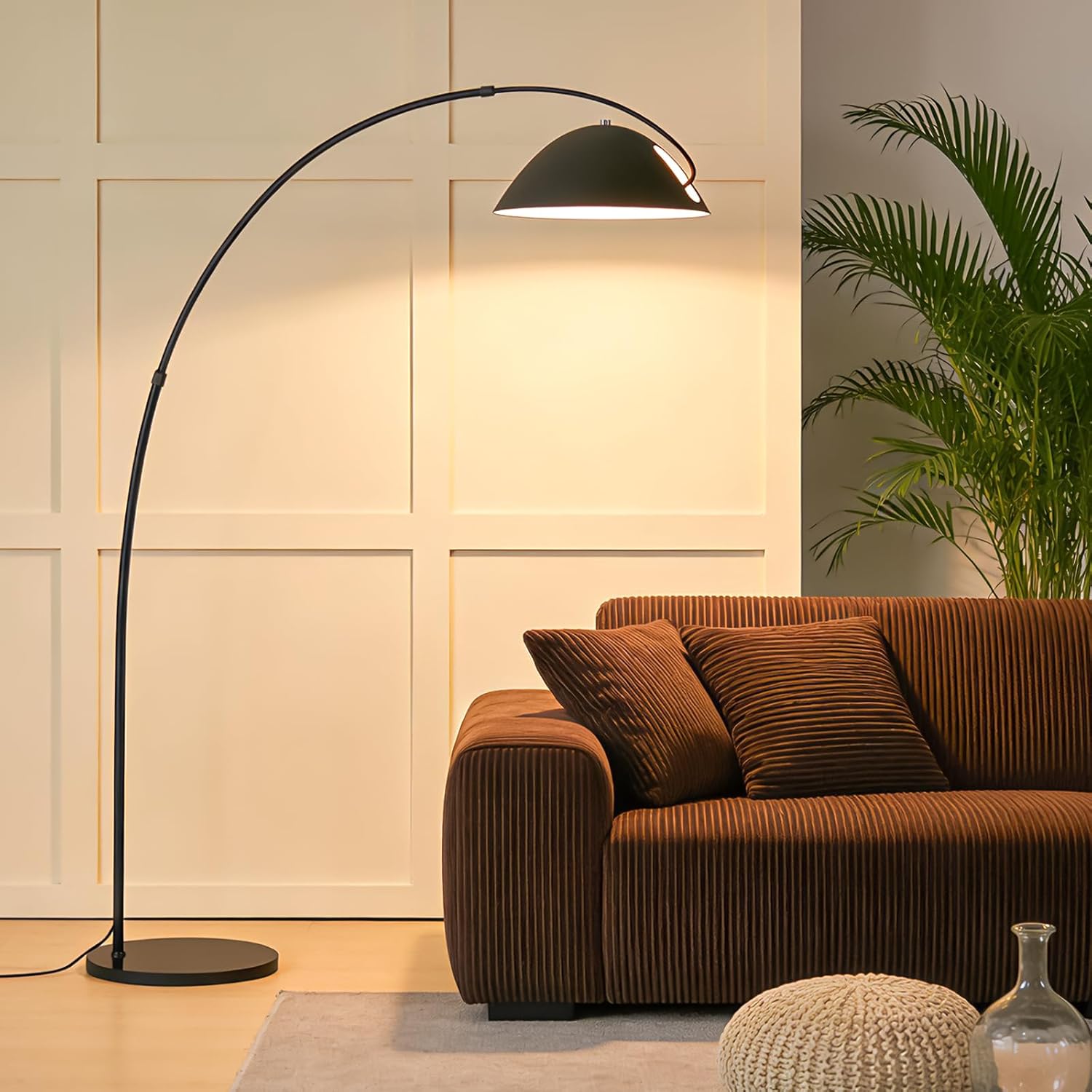
This is almost always a lighting problem. Overhead light is flat and harsh. Replace it with a combination of a floor lamp, a table lamp, and candles (or LED candle bulbs for ambience). When you layer light sources at different heights, the room suddenly has warmth and dimension it never had before.
- Single overhead light fixture
- Bed directly visible from front door
- No rug, furniture floating on bare floor
- Mismatched furniture from different eras
- TV on floor or on generic black stand
- Clothes, equipment, clutter visible
- 3 light sources at varied heights
- Bookcase or sofa back defines bed zone
- Oversized rug anchors the living area
- One coherent style across all pieces
- TV wall-mounted or on styled media console
- Storage-first furniture hides everything
The Designer’s Cheat Sheet for Small Studio Apartments

These are the formulas professionals use on every project. Save this section.
Visual Anti-Patterns: What NOT To Do in a Small Studio

These are the moves that feel right in the moment and look wrong in the room. Most studio apartments in the “why doesn’t mine look like Pinterest?” category share at least three of these.
-
✕
Pushing all furniture against the walls Fix: Float your sofa 6–12 inches from the wall. It creates depth and makes rooms look larger, not smaller.
-
✕
Buying a too-small rug “to save space” Fix: An undersized rug makes the room feel unmoored. If anything, go one size bigger than your instinct.
-
✕
Matching everything perfectly (matchy-matchy sets) Fix: Buy coordinated, not matched. Identical furniture sets look like a hotel room. Mix materials and tones within the same style family.
-
✕
Using only overhead lighting Fix: Add a floor lamp immediately. One floor lamp in a corner does more for a room’s ambience than any other single purchase under $200.
-
✕
Hanging art too high Fix: Center at 57 inches, always. When art is hung at ceiling height, it draws the eye upward and disconnects from the furniture below it.
-
✕
Buying “small space” furniture that’s actually just small furniture Fix: Compact furniture with good proportions is different from furniture that’s simply tiny. A loveseat that’s properly scaled beats a tiny sofa every time.
Upcoming Trends Worth Knowing for Studio Apartments

Design trends in small studio apartments move fast because renters update their apartments more frequently than homeowners. Here’s what’s rising in 2026 that actually works in a studio context — not just on a mood board.
Identity Decor
The move away from “aesthetic” apartments toward spaces that reflect actual personality. Bookshelves with real books you’ve read. Art from artists you follow. Objects that tell a story. Authenticity is the new minimalism. This trend rewards men who have actual interests — make those interests visible in the space.
Organic Modern
Curved furniture, natural stone textures, warm earthy tones replacing the cool gray era. If you’re refreshing a studio in 2026, swap chrome and cool metals for brass, bronze, and warm wood tones. Organic shapes — rounded ottomans, curved-back chairs — make tight spaces feel less geometric and more livable.
Tactile Layers
A reaction to years of flat, minimalist interiors: textured plaster walls (achievable with textured paint), boucle and teddy fabrics, ribbed wood panels, handmade ceramics. The richness comes from touch, not from buying more things. One well-chosen textured piece reads as curated; ten do not.
Trending Now Modern Organic Interior Design: The Ultimate 2026 GuideShop the Look: Best Pieces for a Small Studio Apartment
Every product below was selected for one reason: it solves a specific small studio problem while looking like something you chose on purpose. These aren’t filler picks.
Not Sure Where to Start?
Take the free Interior Design Style Quiz and get a clear direction for your studio in under 2 minutes. No email required.
Take the Free Quiz →You’re Closer Than You Think
Here’s the honest truth about small studio apartment ideas: you don’t need more money, more space, or more stuff. You need a clearer plan and the confidence to commit to it.
Start with the floor plan. Pick your zones. Choose one style and hold the line on it. Buy the furniture that does two jobs. Add the rug (bigger than you think). Layer the lighting. Then stop — and live in it for a week before you buy another thing.
The best studio apartments aren’t finished all at once. They’re edited over time, with intention. And the difference between a space that looks like a furniture warehouse and one that looks like it was designed? Usually it comes down to three decisions made confidently rather than twenty decisions made impulsively.
You’ve got the blueprint now. Go build something worth coming home to.
If you want the full formulas, spacing rules, and layout math from this guide (and every other room in your home) in one place, grab The Designer’s SECRET Cheat Sheet — it’s the shortcut version of everything a designer checks before calling a room finished.
Get the Cheat Sheet →Small Studio Apartment Ideas-Frequently Asked Questions
Start with the highest-impact items first: a properly sized area rug, a floor lamp, and clearly zoned furniture placement. These three changes cost less than $500 combined and make the most visible difference. Avoid buying accessories until the foundational pieces are in place.
Use mirrors on the wall opposite your main light source. Float furniture away from walls. Choose furniture with exposed legs — visual floor space makes rooms feel larger. Use vertical shelving to draw the eye upward. Keep your color palette tight to two or three tones maximum.
The non-negotiables: a properly sized bed with a headboard, a loveseat or sofa scaled to the room, a rug that anchors the living zone, a coffee table with storage, and at least one floor lamp. Everything else is optional. Start here and layer in the rest slowly.
Use an open bookcase perpendicular to the wall as a soft divider — it lets light pass through while creating a visual boundary. Alternatively, position the back of your sofa toward the bed zone, or use a distinct area rug in each space to define them separately without building anything.
A warm neutral base (off-white, linen, warm greige) with one accent tone (charcoal, forest green, or terracotta) and natural wood or leather as the material accent. This three-part palette is versatile, masculine, and cohesive. Avoid cool grays — they make small spaces feel clinical.
Yes. Command strips hold lightweight art. Peel-and-stick wallpaper transforms a single accent wall without damage. Tension-rod shelving fills vertical space without screws. Floor-leaning mirrors and art look intentional and require nothing from your walls. Most studio decorating goals are achievable under renter constraints.
For a typical studio living zone, a 8×10 or 9×12 rug is usually correct. The standard rule: all front legs of your seating furniture should sit on the rug. A rug that’s too small makes the entire room feel disconnected and makes the space appear smaller, not larger — the opposite of the goal.
A well-thought-out studio can look finished within 4–6 weeks if you plan before buying. The biggest time sink is buying the wrong thing and returning it. Create your floor plan first, set a style direction, and shop your anchor pieces before adding anything else. The layers come last.
Want Professional Help? How to Hire an Interior Designer: Everything You Need to Know Going Further How To Mix Interior Design Styles Without Making It Look Chaotic Once You’re Done Interior Design Photography Hack: Make Your Home Look Better in Photos
CATCH THE LATEST IN HOME DECOR TRENDS:

Steal These 16 Expert-Approved Decorating Secrets

Accessorize a Small Living Room: 7 Genius Styling Secrets

How to Make a Small Room Appear Bigger

How to Make Your Home Look Expensive
GET CAUGHT UP ON ALL THE INSPIRING DECOR TIPS:

Best Fireplace Makeover Ideas

How to Make a Gallery Wall: The Complete Step-by-Step Guide (Even If You’ve Never Hung a Picture)