TL;DR Summary: The right sofa color can visually expand your room by 20-30% through light reflectance and strategic contrast. Light neutrals with cool or warm undertones (soft whites, pale greiges, dusty blues) reflect natural light, reduce visual weight, and create the illusion of more square footage. Pair these colors with performance fabrics to maintain style without sacrificing durability, especially in high-traffic homes.
Introduction: Why Your Sofa Is Sabotaging Your Space
You’ve rearranged your furniture three times this month, added mirrors, and you’ve decluttered until your living room looks like a showroom. But every time you walk through your front door, your space still feels cramped, dark, and uninviting.
Here’s the truth most interior designers won’t tell you upfront: your sofa is probably the problem. Not its size, not its placement—its color.

Your couch occupies 30-40% of your visual field in most living rooms. When that massive piece of furniture is upholstered in a dark, light-absorbing color, it creates what designers call “visual weight”—a density that makes your entire room feel smaller, lower, and more confined. The wrong sofa color can rob you of 20-30% of your room’s perceived space, no matter how clever your layout.
But here’s the exciting part: choosing the best couch colors that make a room look bigger is one of the fastest, most dramatic transformations you can make. Within hours of delivery, you can walk into a room that feels 30% more spacious, brighter, and infinitely more inviting—without knocking down a single wall.
This guide will decode the color science behind space-expanding sofas, expose the “neutral trap” that trips up 80% of shoppers, and give you a room-specific formula so you never waste money on another claustrophobic furniture mistake.
I. Why Couch Color Matters More Than You Think (The Science of Spatial Perception)

Your sofa’s color has more impact on your room’s perceived size than any other single design element because it controls light reflectance, visual weight, and contrast ratios—the three pillars of spatial perception.
When you choose a sofa, you’re not just selecting a place to sit. You’re installing a 7-8 foot light reflector (or light absorber) that will dictate how spacious your room feels every single day.
Here’s the science: Light colors have a high Light Reflectance Value (LRV)—a measurement from 0 (pure black, absorbs all light) to 100 (pure white, reflects all light). Colors with an LRV above 50 bounce light around your room, creating the optical illusion of expanded space. Dark colors (LRV below 30) absorb light, creating shadows and visual density that make furniture—and rooms—feel heavier and smaller.
But LRV isn’t the whole story. Visual weight matters just as much. A dark chocolate brown sofa doesn’t just absorb light—it creates a psychological “anchor” that draws your eye and makes everything else feel cluttered around it. Light, airy colors like soft whites and pale greiges have low visual weight, allowing your eye to travel freely across the room without getting stuck.
💡 Pro Tip: If you’re choosing between two sofas of similar style, always ask for the LRV of the fabric color. Aim for an LRV between 55-75 for maximum space-expanding impact without going stark white.
You’ll Also Like: 9 Small Powder Room Genius Hacks
II. The Psychology of Color in Small Spaces

Color plays a powerful role in how we perceive space—especially in compact living rooms. Choosing a couches that make a room look bigger isn’t just about aesthetics; it’s about using color psychology to trick the eye.
“The color of the sofa can make or break the overall ambiance of a room, and it can also impact the perception of the room’s size.” Says NYC-based interior designer James Stanley.
The right couch color can visually open up your space, making it feel brighter, calmer, and more expansive without moving a single wall. Here’s why light-colored sofas consistently rank among the best couches that make a room look bigger:
- Light reflection: Pale hues like white, cream, and soft pastels reflect more light, helping walls and furnishings visually “recede” while expanding perceived space.
- Emotional tone: Soft colors evoke calm, airiness, and clarity—counteracting the closed-in feeling that often comes with small square footage.
- Nature-inspired cues: A pale blue couch, for instance, mirrors the vastness of sky and sea, subtly reinforcing the illusion of more room to breathe.
To get the most from the best couches that make a room look bigger:
- Choose light tones throughout—on walls, ceilings, and even flooring.
- Opt for sheer curtains to maximize natural light.
- Keep contrast low across the space to enhance flow and openness.
In short, investing in one of the best couches that make a room look bigger isn’t just a style upgrade—it’s a smart design strategy for transforming how your space feels and functions.
Don’t Miss: How to Style a Curved Sofa for an Inviting Living Room
III. Unveiling the Top 10 Light-Colored Couches for Small Spaces
Embracing couches that make a room look bigger is a strategic decision that enhances the perception of spaciousness in small living areas. The transformative power of light hues cannot be overstated as they effortlessly expand the visual boundaries of a room, creating a sense of airiness and openness.
To guide your quest for the perfect best couch that makes a room look bigger, we have curated a list of the top 10 options, each carefully selected for its unique style, exceptional comfort, and ability to elevate the ambiance of your small space.
1. White: The Epitome of Elegance and Spaciousness
JUSTONE Modern White L‑Shape Sectional Sofa

A sleek modern white sectional designed for small apartments and stylish living rooms. Its right‑facing chaise and soft upholstery make it both functional and comfortable. Perfect for creating a bright, airy aesthetic.
Check Price on AmazonSoft white tops the list of best couch colors that make a room look bigger because it reflects the most light. A white couch blends into pale walls, creating a seamless visual line that makes the space feel open and airy.
Benefits of a White Chouch?
- Works beautifully in minimalist, coastal, or Scandinavian interiors
- Choose performance fabrics to resist stains and wear
- Add texture with boucle, linen, or slipcovers for depth
Pro Tip: Pair with white or light-toned walls to create a seamless, gallery-like effect.
Picture This: A white boucle sofa floating in a sunlit room with pale oak floors and sheer curtains.
Don’t Miss: How to Create a Soft Color Palette That Transforms Your Entire Home
2. Cream: A Warm Embrace of Cozy Sophistication
HOMMOO Mid‑Century Cream Lambswool Sofa

This cozy lambswool sofa blends mid‑century charm with modern comfort. Its plush texture and warm cream tone make it ideal for bedrooms, apartments, or chic living spaces. A stylish statement piece that feels as good as it looks.
Check Price on AmazonCream offers the brightness of white with a softer, warmer tone. It’s forgiving, elegant, and blends beautifully with both traditional and modern decor.
Benefits of a Cream Couch?
- Reflects light while adding warmth
- Works with nearly any color palette
- Adds a timeless, upscale feel
Pro Tip: Use contrasting textures—like a chunky knit throw or leather ottoman—to keep the look dynamic.
Picture This: An ivory slipcovered sofa with layered neutral pillows and a jute rug underfoot.
Trending Post: 10 Best Modular Sectional Sofas on Amazon
3. Light Gray: A Versatile Chameleon for Modern and Traditional Styles
COOSLEEP Modern Light Grey Loveseat

A compact modern loveseat with removable cushions and a sleek silhouette. Its light grey upholstery fits effortlessly into minimalist or Scandinavian‑inspired interiors. Perfect for small living rooms, offices, or reading nooks.
Check Price on AmazonLight gray is a versatile neutral that adds sophistication without heaviness. It reflects light well and pairs effortlessly with both warm and cool palettes—making it one of the most flexible couch colors for small living rooms.
According to The Spruce, neutral sofa colors like gray, beige, and cream remain the most popular for their versatility and space-enhancing qualities.
Benefits of a Gray Couch?
- Ideal for modern, transitional, or industrial spaces
- Hides minor stains better than white
- Layer with soft neutrals or bold accents
Pro Tip: Choose a gray with warm undertones to avoid a cold or sterile feel.
Picture This: A soft gray sectional with ivory throw pillows and a glass coffee table that keeps the room feeling light.
Also: Modular Sofas for Small Spaces: Brilliant Solutions for Compact Living
4. Pale Blue: Evoking Serenity and Tranquility in a Small Room
PEIHONGET Mid‑Century Pale Blue Sofa
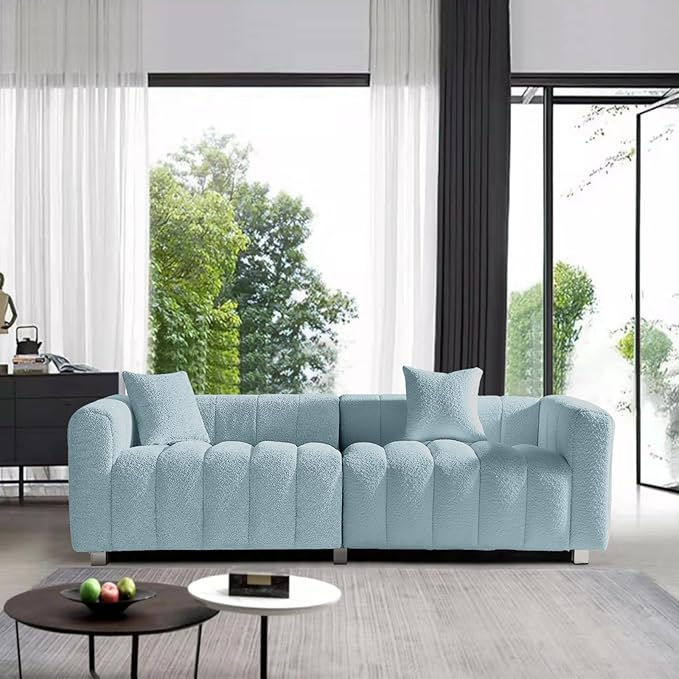
This pale blue sofa adds a refreshing pop of color while maintaining a clean mid‑century profile. Its soft upholstery and included pillows make it both stylish and inviting. A great choice for bedrooms, apartments, or cozy living rooms.
Check Price on AmazonPale blue evokes sky and water—two elements that naturally feel open and infinite. It’s calming, fresh, and ideal for small spaces that need a breath of air.
Benefits of Pale Blue Couch:
- Great for coastal, cottage, or serene modern interiors
- Pairs beautifully with white, gray, or sandy tones
- Adds subtle color without overwhelming the space
Pro Tip: Choose a blue with a hint of gray for a more sophisticated, grown-up look.
Picture This: A pale blue loveseat under a gallery wall of ocean prints and driftwood frames.
Don’t Miss: How to Style a Curved Sofa for an Inviting Living Room
5. Blush Pink: A Delicate Touch of Sweetness and Femininity
ANTTYBALE Soft Pink Velvet 3‑Seater Sofa

A luxurious velvet sofa in a soft blush pink that instantly elevates any room. Its plush cushions and elegant silhouette create a warm, inviting atmosphere. Ideal for glam, modern, or feminine‑styled interiors.
Check Price on AmazonBlush pink adds warmth and personality while still reflecting light. It’s one of the best couch colors that make a room look bigger if you want a soft pop of color that doesn’t shrink the space.
Benefits of a Blush Pink Couch:
- Works well in glam, eclectic, or romantic interiors
- Pairs with gold, cream, or charcoal accents
- Adds a soft glow to the room
Pro Tip: Use velvet or chenille for a luxe texture that enhances the color’s depth.
Picture This: A blush pink sofa with brass legs and a marble coffee table in a bright, airy studio apartment.
Trending Post: Best Clever Ways to Make an Old Sofa Look Like New
6. Sage Green: Bringing the Freshness of Nature Indoors
Oversized Sage Green Chenille 4‑Seater Sectional

This oversized sage green sectional offers deep seating and plush chenille fabric for maximum comfort. Its modern silhouette and generous size make it perfect for family rooms and open‑concept spaces. A cozy, stylish upgrade for any home.
Check Price on AmazonSage is a muted, earthy green that feels fresh yet grounded. It brings in a touch of nature and helps blur the lines between indoors and out—especially in rooms with lots of natural light.
Benefits of Sage Green Couch:
- Complements wood, white, and terracotta tones
- Adds subtle color without visual clutter
- Ideal for biophilic or organic modern styles
Pro Tip: Pair with off-white walls and natural fiber rugs for a calming, cohesive look.
Picture This: A sage green couch nestled beneath a window, surrounded by potted plants and woven textures.
Don’t Miss: Pro Tips to Clean Sofa Upholstery at Home
7. Taupe: A Sophisticated Blend of Warmth and Neutrality
Modern Cream Curved Sofa

A chic curved sofa that brings soft lines and modern elegance to any living space. Its cream upholstery creates a warm, inviting look while maintaining a high‑end aesthetic. Perfect for contemporary and minimalist interiors.
Check Price on AmazonThis earthy-neutral tone strikes a perfect balance between cozy and contemporary, helping small spaces feel grounded without looking dark or heavy. Its chameleon-like quality makes it adaptable across a range of interior styles—from modern to traditional.
Benefits of Taupe Couch:
- Blends seamlessly with leather, wood, and metallic accents
- Offers more warmth than gray and more depth than beige
- Supports minimalist, rustic, or luxe design themes
Pro Tip: Use taupe as a base and layer in brighter or tonal neutrals to create dimension without visual clutter.
Picture This: A sleek taupe sofa with brushed brass lighting, a cream area rug, and warm wood shelving—pulled together yet effortlessly spacious.
Don’t Miss: Sofa Placement Tips For Best Functionality In Your Living Room
8. Light Yellow: Sunshine Personified for a Cheerful and Bright Ambiance
JEEOHEY Oversized Yellow Chenille Sofa
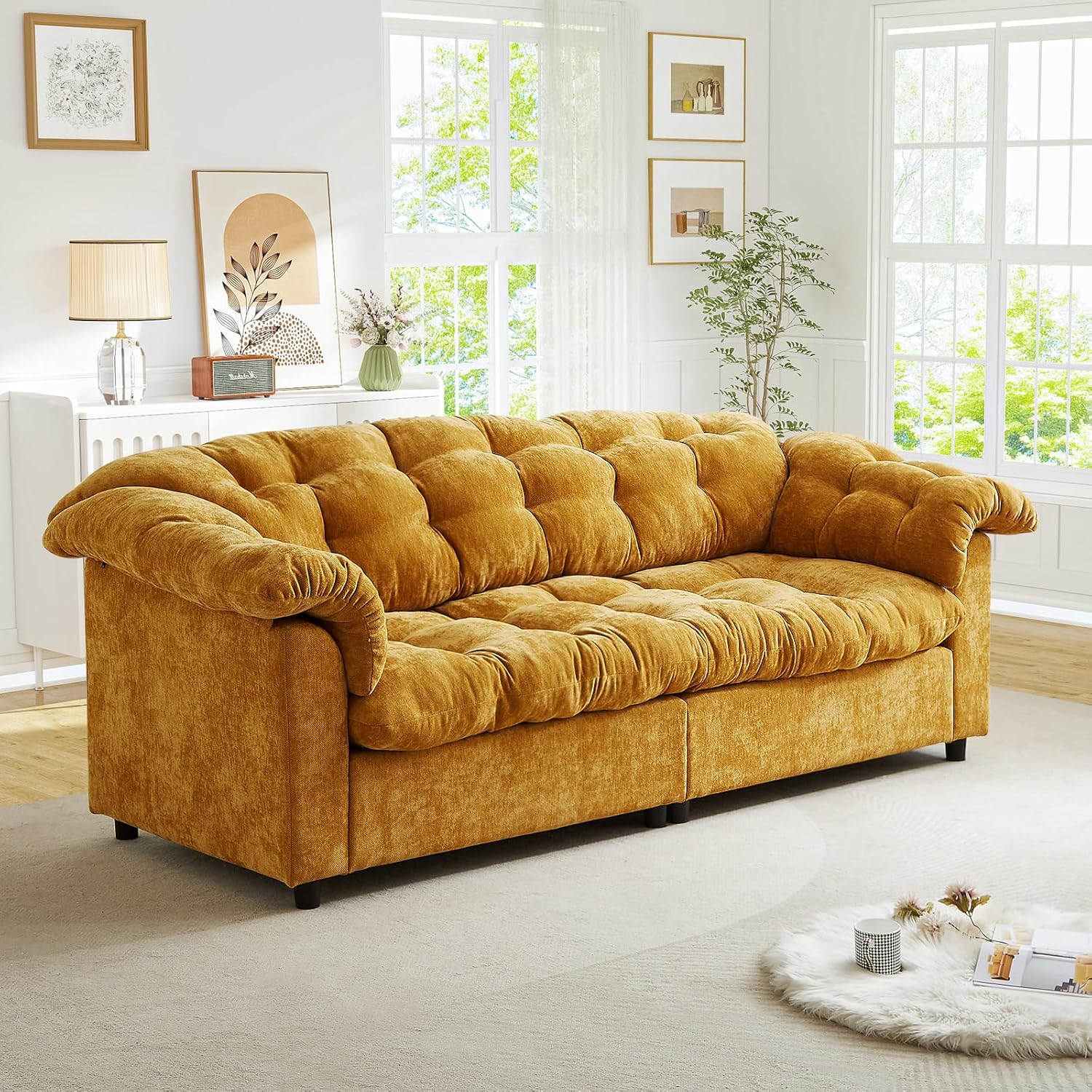
This bold yellow chenille sofa adds warmth, personality, and comfort to any room. Its oversized design and plush cushions make it perfect for lounging, entertaining, or brightening up a modern living space. A true statement piece.
Check Price on AmazonFor those craving brightness and cheer, light yellow is one of the best couches that make a room look bigger while infusing it with joyful energy. Its sunny tone naturally reflects light, helping small spaces feel more open, inviting, and full of life. Whether in a living room or a playroom, a light yellow couch instantly brightens the atmosphere.
Benefits of a Light Yellow Couch:
- Adds visual warmth without overwhelming the space
- Reflects natural and artificial light to expand the room
- Pairs beautifully with crisp whites, colorful pillows, or pastel accents
Pro Tip: Layer in soft textures like boucle or cotton to keep the look casual and cozy.
Picture This: A light yellow sofa under a bay window, drenched in sunshine, surrounded by kids’ books, art, and laughter.
Don’t Miss: How To Arrange Throw Pillows on a Sofa
9. Lavender: Calming Lavender Hues for a Tranquil Retreat
Joss & Main Providence Stone Table Lamp

A beautifully sculpted stone table lamp that adds texture and sophistication to any room. Its neutral tones and modern shape make it versatile for nightstands, consoles, or living room side tables. A timeless lighting accent.
Check Price on AmazonDusty lavender is a soft, muted purple with gray undertones. It adds a whisper of color while maintaining a light, airy feel—perfect for small rooms that need personality without heaviness.
Benefits of a Lavender Couch:
- Ideal for feminine, vintage, or eclectic spaces
- Pairs well with cream, brass, and soft wood tones
- Adds a romantic, calming vibe
Pro Tip: Use matte finishes and soft lighting to enhance the color’s subtlety.
Picture This: A dusty lavender loveseat in a reading nook with antique mirrors and linen drapes.
Trending Post: 10 Best Tips to Choose the Perfect Sofa: The Ultimate Guide
10. Mint Green: Refreshing and Invigorating Mint for an Airy Feel
Modway Valour Mint Green Velvet Sofa

A luxurious mint green velvet sofa with a modern silhouette and deep, supportive cushions. Its soft texture and refreshing color make it a standout piece for contemporary or eclectic interiors. Stylish, comfortable, and eye‑catching.
Check Price on AmazonMint green is a fresh contender among the best couches that make a room look bigger. Its light, cool tone naturally lifts the eye and soothes the senses—making it ideal for living rooms, studios, or even home offices that double as sanctuaries.
Benefits of a Mint Green Couch:
- Soft green tones evoke openness and renewal
- Complements white walls, light wood, and natural fibers
- Adds subtle color without adding visual weight
These top 10 light-colored couches represent just a starting point for your journey to creating a stylish and spacious small space. With their unique styles and ability to reflect light, they will transform your small room into a haven of comfort, elegance, and tranquility. Embrace the transformative power of light hues and embark on a journey to create a small space that feels expansive, inviting, and truly your own.
Pro Tip: Accent with natural materials—rattan, linen, or terra cotta—for an airy, biophilic design feel.
Picture This: A mint green couch floating along a white wall with hanging plants overhead and light oak floors underfoot.
Don’t Miss: Slipcovered Sofas: The Ultimate Guide
Disclaimer: This post may contain affiliate links. I earn a commission on qualifying purchases at no additional cost to you.
IV. The Undertone Trap: Choosing the Right Neutral (Warm vs. Cool)
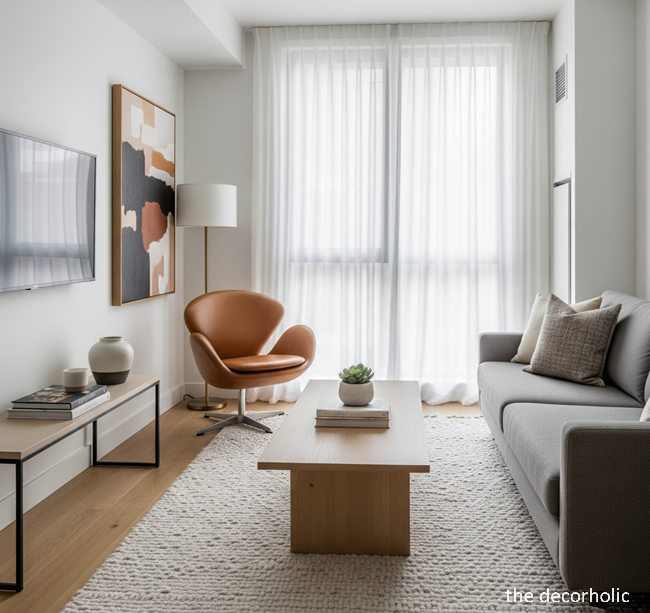
Most homeowners choose a “neutral” sofa and end up with a color that fights their space—warm beiges that turn yellow in cool light, or cool grays that feel sterile in warm spaces. Understanding undertones prevents this $2,000 mistake.
Here’s the scenario: You order a beautiful “greige” sofa online. It looks perfect in the product photos—sophisticated, warm, neutral. It arrives, you unwrap it, and your heart sinks. In your living room, it looks… yellow. Or purple. Or somehow both, depending on the time of day.
Welcome to the undertone trap.
Every “neutral” color has an undertone—a hidden hue that emerges in different lighting conditions. Beige has yellow, orange, or pink undertones. Gray has blue, purple, or green undertones. Greige is a blend, but the wrong greige can tilt too warm (peachy) or too cool (lavender).
The Critical Design Secret: Your wall color, flooring, and natural light direction determine which undertone will work in your space.
Here’s your decision framework:
| Your Room Situation | Choose This Undertone | Avoid This Undertone | Example Color |
|---|---|---|---|
| North-facing room (cool, gray light) | Warm beige/cream with yellow or pink undertones | Cool gray or blue-gray (will feel icy) | Warm linen, soft cream |
| South-facing room (warm, golden light) | Cool greige or soft white with gray undertones | Warm beige/tan (will look orange) | Cool greige, alabaster |
| East-facing room (warm morning, cool afternoon) | Balanced greige with neutral undertones | Extremes (very warm or very cool) | True greige, oatmeal |
| West-facing room (cool morning, warm afternoon) | Slightly cool neutrals | Very warm beiges (will glow orange at sunset) | Pale gray-beige |
| Oak/honey wood floors | Cool greige to balance warmth | Warm beige (too much warmth) | Soft gray, cool taupe |
| Dark walnut/espresso floors | Warm cream or soft white | Cool gray (too much contrast) | Ivory, warm white |
The Undertone Test (Do This Before You Buy):
- Get fabric samples from your top 3 sofa choices
- Place them in your room next to your wall paint, flooring, and existing furniture
- Photograph them at 9am, 1pm, and 5pm
- Compare photos — whichever sample looks most consistent across all three lighting conditions is your winner
Interior designer Sarah Sherman Samuel explains: “The biggest mistake I see clients make is ordering a sofa based on a tiny online swatch. Undertones are invisible in 2-inch samples but dominate in 8-foot sofas. Always test in your actual space, in your actual light.”
💡 Pro Tip: If you’re stuck between warm and cool, choose a “true” greige with balanced undertones (like Benjamin Moore “Revere Pewter” or Sherwin-Williams “Accessible Beige”). These chameleon colors adapt to your lighting instead of fighting it.
In Case You Missed It: Bold Wall Art: The Complete Guide to Transforming Your Space with Statement Pieces
V: How to Choose Based on Your Specific Room Challenges
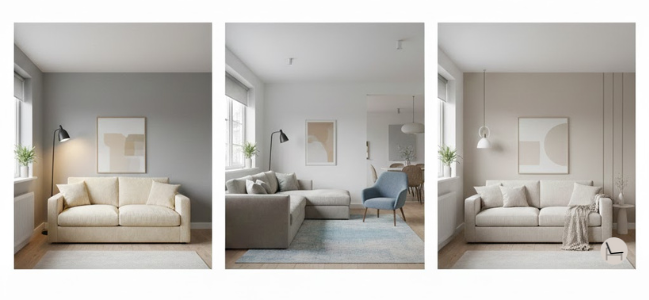
Different small-space problems require different color strategies. Your sofa color should solve your room’s specific spatial challenge—whether that’s low light, dark walls, or awkward proportions.
Generic advice tells you to “go light,” but that’s only half the strategy. Your room’s specific challenges require targeted color solutions:
Challenge 1: The Dark, North-Facing Room
Your Problem: Limited natural light, cool gray cast, room feels cave-like Your Solution: Soft white or warm cream (LRV 75+) with yellow or pink undertones
This room needs maximum light reflection. Go as light as you dare—this is where whites and ivories truly shine. The warm undertones will counteract the cool northern light, preventing that “doctor’s office” sterility.
- Choose fabrics with texture (bouclé, linen weave) to add visual interest without color
- Pair with warm metallics (brass, gold) in lighting and accessories
- Add a jute or sisal rug to ground the light palette with natural texture
Challenge 2: The Awkward Open-Concept Space
Your Problem: Living and dining areas blur together, no definition, feels chaotic Your Solution: Cool greige or dusty blue—a color distinct from your walls but still neutral
In open-concept spaces, your sofa needs to create subtle definition without harsh contrast. Choose a color that’s 1-2 shades different from your wall color. If your walls are warm white, go cool greige. If your walls are gray, go warm greige or pale blue.
- Use your sofa as a “room divider”—its color signals a new zone
- Keep other large furniture pieces in the same color family for cohesion
- Add bold accent pillows to create focal points without shrinking space
Challenge 3: The Low-Ceiling Box
Your Problem: 8-foot ceilings, room feels compressed, heavy atmosphere Your Solution: Any light neutral (LRV 60+) + strategic monochromatic design
When ceilings are low, visual contrast draws the eye to the wrong places. Go monochromatic—match your sofa color to your wall color within 1-2 shades. This “blurs” the boundaries and makes the eye travel upward instead of stopping at furniture lines.
- Paint walls and choose a sofa in the same color family (both warm beige, both cool greige)
- Use vertical elements (tall floor lamps, vertical art) to draw the eye up
- Keep throw pillows in the same neutral family—this isn’t the room for bold contrast
💡 Pro Tip: If you have multiple challenges (dark and low-ceilinged), prioritize light reflectance over undertone perfection. A slightly “off” warm white that reflects 80% of light will always outperform a “perfect” mid-tone beige that reflects 50%.
In Case You Missed It: 30 Interior Decorating Rules You Can (and Should!) Break
VI: Light Sofas & Real Life: The Performance Fabric Solution

The #1 objection to light-colored sofas—”I can’t keep it clean”—has been solved by performance fabric technology. Modern materials like Crypton, Sunbrella, and Solution-Dyed Acrylic deliver style and durability without compromise.
Let’s address the elephant in the room: You want a light sofa because it will make your space feel bigger. But you’re terrified it will look like a Jackson Pollock painting after one glass of red wine and a family movie night.
I hear you. But here’s the design revolution you might have missed: Performance fabrics have made light-colored sofas practical for real life.
Ten years ago, choosing a white sofa meant choosing delicate, high-maintenance linen or cotton that stained if you looked at it wrong. Today, performance fabrics use stain-resistant, water-repellent technology that keeps your sofa looking showroom-fresh for years—even with kids, pets, and red wine.
Performance Fabric Comparison: Style + Durability
| Fabric Type | Stain Resistance | Durability (Double Rubs) | Feel & Look | Best For |
|---|---|---|---|---|
| Crypton | Excellent (liquid beads on surface) | 100,000+ | Soft, natural texture; mimics linen/cotton | Families with young kids, pet owners |
| Sunbrella | Excellent (solution-dyed, fade-resistant) | 50,000-100,000 | Slightly textured; outdoor-fabric feel but softer | High-traffic homes, sunny rooms |
| Performance Velvet | Very Good (stain-treated fibers) | 30,000-50,000 | Luxe, soft, upscale look | Design-forward homes, adults-only |
| Traditional Linen | Poor (absorbs stains immediately) | 15,000-25,000 | Beautiful drape, natural wrinkles | Low-traffic rooms, no kids/pets |
| Microfiber | Good (tight weave resists spills) | 50,000+ | Soft but can look “cheap” | Budget-conscious, casual spaces |
The Performance Fabric Advantage:
- Liquid resistance: Spills bead on the surface instead of soaking in—you have time to blot before staining
- Bleach-cleanable: Many performance fabrics can handle diluted bleach, eliminating 99% of stains
- Colorfastness: Solution-dyed fabrics won’t fade in sunlight, crucial for light colors
- Pet-friendly: Resists pet hair, scratches, and “accidents” better than traditional fabrics
Interior designer Emily Henderson writes: “I put my kids and my white Crypton sofa through hell for five years—markers, juice boxes, muddy dogs. It still looks new. Performance fabrics have completely changed what’s possible in family-friendly design.”
💡 Pro Tip: When shopping, specifically ask: “Is this a performance fabric?” Don’t assume—some retailers bury this information. If the sales associate doesn’t know, it’s probably not performance fabric.
You’ll Also Like: Men’s Apartment Decor: 7 Masculine Design Rules That Actually Work (No Fluff)
VII: Strategic Styling: Making Your Space-Expanding Sofa Work Harder
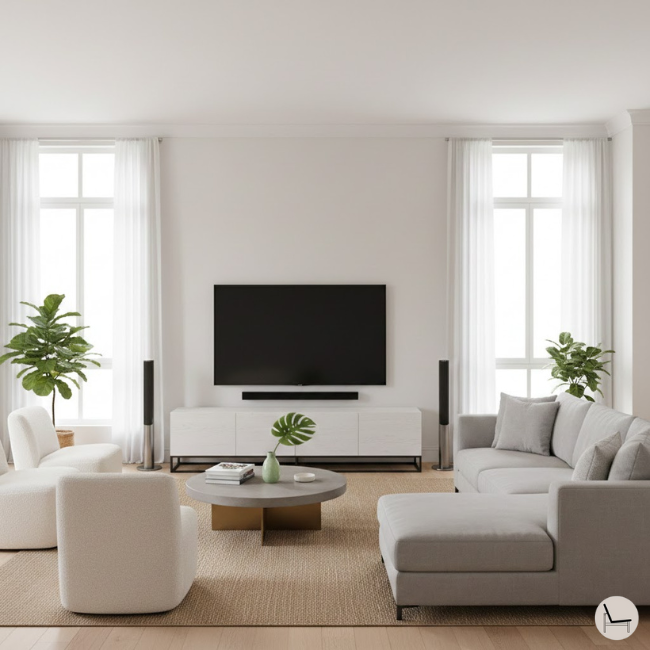
A light sofa maximizes space, but strategic styling amplifies the effect. Layer textures, control contrast, and use the “60-30-10 rule” to create visual flow that guides the eye outward, not inward.
Buying the right sofa color is 70% of the battle. The other 30% is styling it correctly so it becomes part of a cohesive, space-expanding design strategy instead of an isolated piece.
The 60-30-10 Color Rule for Small Spaces
This designer principle ensures your room feels balanced and spacious:
- 60% Dominant Color: Your walls and sofa (both in the same light neutral family)
- 30% Secondary Color: Your rug, curtains, or large accent chair (1-2 shades different)
- 10% Accent Color: Throw pillows, art, accessories (this is where you add personality and contrast)
Why this works: When 90% of your room is in the same neutral family, your eye travels smoothly without interruption. The 10% contrast creates focal points without overwhelming the space.
Texture Over Color: The Space-Expanding Secret
In small spaces with light sofas, texture creates visual interest without adding visual weight. Layer these elements:
- Bouclé or nubby throw pillows instead of bold-colored smooth ones
- A chunky knit throw in the same color family as your sofa
- Natural fiber rug (jute, sisal, seagrass) to ground the space
- Linen curtains in a soft white to diffuse light
- Woven baskets for storage that feels organic, not cluttered
The Reflection Strategy
Double down on light reflection to maximize your sofa’s space-expanding power:
- Place a large mirror opposite your sofa to reflect both the light color and natural light from windows
- Choose glass or lucite coffee tables that disappear visually
- Use metallic accents (brass floor lamps, gold picture frames) to bounce light
- Paint your ceiling one shade lighter than your walls to lift the room
💡 Pro Tip: The “Float Your Furniture” trick—pull your sofa 12-18 inches away from the wall. This creates negative space behind it, making the room feel larger. It’s counterintuitive but wildly effective.
You’ll Also Like: Modern Organic Interior Design: The Ultimate Guide
VIII: Color Confidence: Where to Splurge vs. Save

Invest in a high-quality, light-colored performance fabric sofa (expect $1,500-$3,000 for longevity), but save on easily replaceable accent pieces like pillows and throws that you can update seasonally.
Now for the practical question: How much should you spend on your space-expanding sofa?
Here’s the honest answer from someone who’s furnished 50+ small spaces: Your sofa is a 7-10 year investment. Skimp here, and you’ll regret it daily.
The Investment Framework:
| Category | Splurge (Prioritize Quality) | Save (Update Easily) |
|---|---|---|
| Sofa Frame & Fabric | $1,500-$3,000 for performance fabric, hardwood frame, quality construction | Avoid under $800 (particle board frames, non-performance fabric won’t last) |
| Throw Pillows | Save! $20-$50 each; swap seasonally | Splurge on inserts ($30-$40 for down-alternative), save on covers |
| Coffee Table | Save! $150-$400 for glass/lucite (space-expanding) | Glass is affordable and effective—no need to splurge |
| Area Rug | Mid-range $300-$800 for natural fiber (jute/sisal) | These wear well and look high-end at any price point |
| Lighting | Splurge $200-$600 on quality floor lamps (crucial for reflecting light) | Cheap lamps look cheap and cast unflattering shadows |
Why Splurge on the Sofa?
- You’ll sit on it 3+ hours daily for a decade
- Cheap sofas use non-performance fabrics that stain immediately (defeating your space-expanding color choice)
- Particle board frames sag within 2-3 years, requiring costly replacement
- Performance fabrics cost 20-30% more upfront but eliminate slipcover/replacement costs
Where to Find Quality Light Sofas:
- Budget-Friendly Performance: IKEA Kivik with Crypton covers ($800-$1,200), Article Sven ($1,400-$2,000)
- Mid-Range Quality: West Elm Harmony (performance velvet, $1,800-$2,500), Burrow Nomad (modular, $1,600-$2,300)
- Investment Pieces: Pottery Barn Sullivan ($2,000-$3,500), Room & Board Jasper ($2,500-$4,000)
💡 Pro Tip: Shop floor models and clearance sections in January and July—retailers clear inventory and often discount sofas 30-50%. A $2,500 sofa for $1,500 is a steal if it’s the right color and fabric.

Most Popular Post:
Interior Design Style Quiz
Timeless Paint Colors That Never Go Out of Style
Create Your Perfect Ergonomic Home Office: A Complete Guide
Must-Have Accessories for Guys: The Secret to a Stylish Space
Modular Sofas for Small Spaces: Brilliant Solutions for Compact Living
Conclusion & Next Steps: Your Space-Expanding Action Plan
You now have the designer framework that most homeowners discover only after making (and regretting) their first sofa purchase.
You understand that the best couch colors that make a room look bigger aren’t about following trends—they’re about leveraging light reflectance, managing visual weight, and choosing undertones that harmonize with your specific space.
Here’s what happens when you get this right: You walk into your living room tomorrow and it feels fundamentally different. More spacious, inviting, and more you. Your guests comment on how you “opened up the space” without realizing it was a $1,500 sofa doing 80% of the work.
But here’s what happens if you don’t act: You’ll continue living with a room that feels cramped, spend another six months scrolling Pinterest in frustration, and eventually impulse-buy a sofa based on price or convenience—repeating the expensive cycle of buyer’s remorse.
Your Next Steps (Do This Today):
- Measure Your Space: Before you shop, know your maximum sofa dimensions and photograph your room at different times of day
- Order Fabric Samples: Get samples from your top 3 color choices and test them in your actual lighting for one week
- Verify Performance Fabric: When shopping, specifically ask: “Is this a performance fabric? Can I clean it with diluted bleach?”
- Test the Undertone: Use the 9am-1pm-5pm photo test to confirm your neutral won’t shift unexpectedly
- Commit With Confidence: Once you’ve found the right light neutral with the correct undertone in a quality performance fabric, buy it. Don’t second-guess yourself into paralysis.
Now, your space is waiting to feel 30% larger. Your sofa color is the key.
Best Couch Colors That Make a Room Look Bigger: Frequently Asked Questions
Q: What color couch makes a living room look bigger?
A: Soft whites, warm beiges, cool greiges, dusty blues, and pale sage greens with LRV values between 50-85 make living rooms look 20-30% larger by reflecting natural light and reducing visual weight. Avoid dark colors (navy, charcoal, chocolate) which absorb light and create heavy, anchoring focal points that shrink perceived space.
Q: Do gray couches make a room look smaller?
A: Pure gray couches (especially dark or medium grays) can make rooms feel smaller and institutional. However, light greiges (gray + beige hybrids) with LRV values above 55 reflect sufficient light to expand space while maintaining modern sophistication. Choose greige over true gray for small spaces.
Q: What is the most popular sofa color in 2026?
A: Warm greige, soft cream, and dusty blue are the most popular space-expanding sofa colors in 2026, driven by the “Quiet Luxury” and “Organic Modern” design movements. These colors offer the light-reflecting properties of neutrals while adding subtle warmth or coolness that prevents the “boring beige” trap.
Q: How do I keep a light-colored couch clean with kids and pets?
A: Choose performance fabrics like Crypton, Sunbrella, or solution-dyed acrylic which resist stains, repel liquids, and are bleach-cleanable. These fabrics allow spills to bead on the surface (giving you time to blot) instead of immediately soaking in. Many performance fabrics are also scratch-resistant and pet-hair-repellent. Clean spills immediately with mild soap and water, and deep-clean annually with upholstery-safe cleaners.
Q: Should my couch be lighter or darker than my walls?
A: In small spaces, your couch should be within 1-2 shades of your wall color (slightly lighter, slightly darker, or matching) to create a monochromatic effect that blurs boundaries and expands space. High contrast (dark sofa + light walls) creates visual “stops” that fragment the room and make it feel smaller. Save bold contrast for large, open spaces.
Q: What color couch goes with gray walls?
A: With gray walls, choose a warm greige, soft cream, or pale blush sofa to add warmth and prevent the room from feeling cold or sterile. Avoid matching gray-on-gray unless you’re adding significant warm-toned textures (wood, brass, plants). If your gray walls are cool-toned, go warmer with your sofa; if walls are warm gray, you can go slightly cooler.
Subscribe To the Newsletter!
Subscribe now for an endless feed of inspirational women’s cave decor ideas, pampering rituals, and more tips for curating your ultimate escape. Let’s start making your cozy refuge a reality – you so deserve this!
CATCH THE LATEST IN HOME DECOR TRENDS:
Steal These 16 Expert-Approved Decorating Secrets

How To Accessorize Your Living Room
Small Space? 10 Ways To Make A Room Appear Bigger
Make Your space Look Expensive
GET CAUGHT UP ON ALL THE INSPIRING DECOR TIPS:
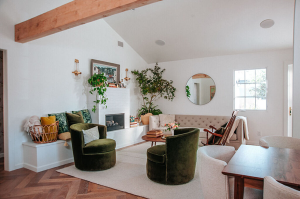
18 Fresh Decorating Ideas To Update Your Fireplace
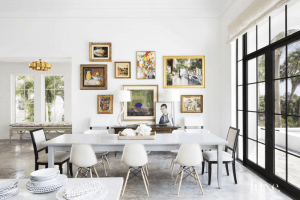
How to Make a Gallery Wall: The Complete Step-by-Step Guide (Even If You’ve Never Hung a Picture)


