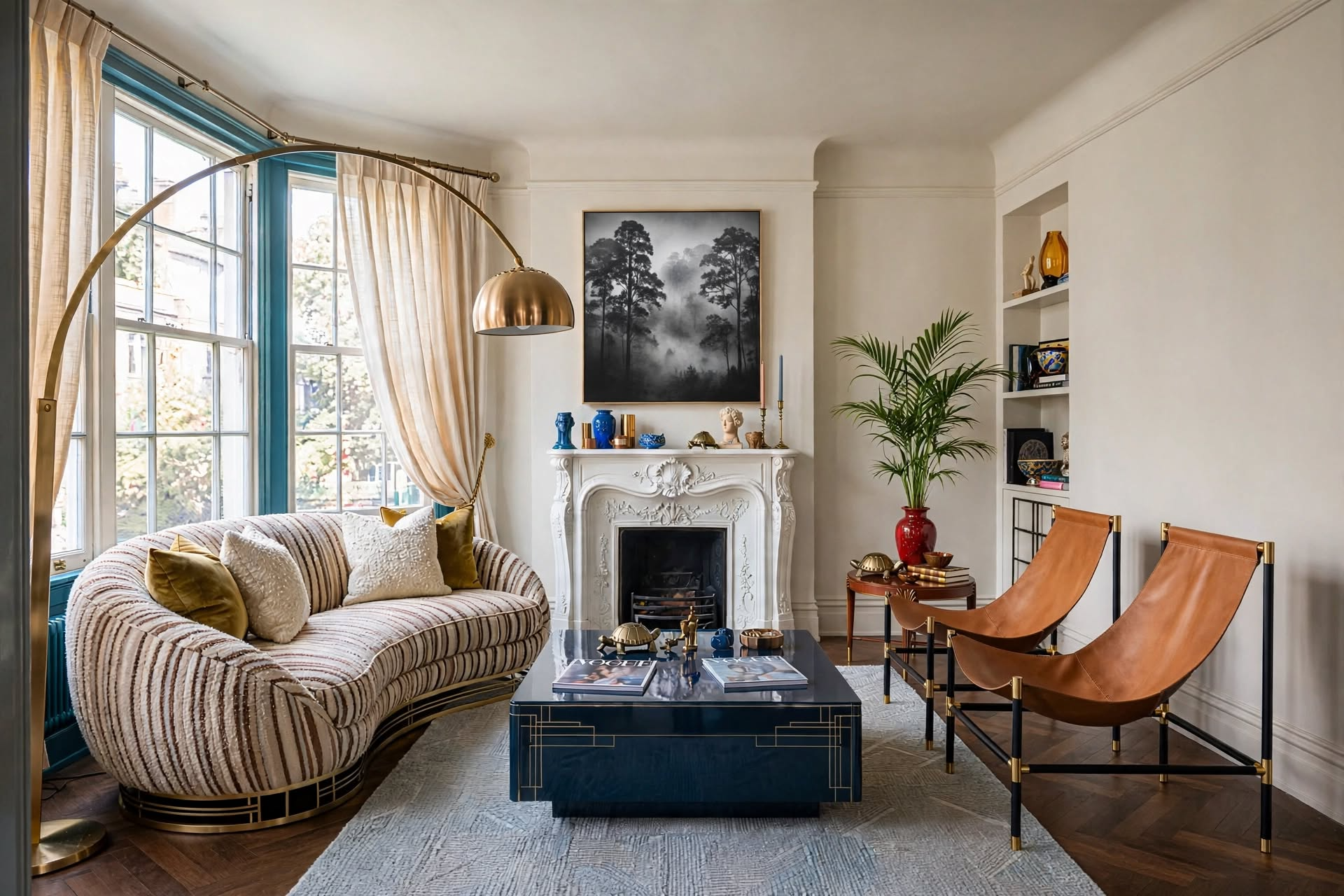
Choosing home textiles for decorating comes down to five decisions in the right order: establish your room’s function and mood, anchor with one dominant fabric, layer in texture and pattern using the 60-30-10 rule, match fiber to lifestyle (not just aesthetics), and always order samples before committing. Follow this sequence and your room will look intentional — not assembled.
How to Choose Home Textiles for Decorating: A Step-by-Step Guide That Actually Works
Home textiles are the fastest way to transform a room — and the easiest way to waste $400 on fabric that looks nothing like the inspiration photo. You picked the throw, layered the pillows, ordered the curtains. But something still feels off. The room looks busy, flat, or weirdly staged. Sound familiar?

The problem isn’t your taste. It’s the sequence. Most home decor guides jump straight to home textiles types or trending patterns without addressing the real issue: you don’t have a system. And without a system, you’re just guessing — and paying for those guesses. This guide is the designer blueprint you’ve been missing. I’ll walk through exactly how to choose home textiles for decorating, room by room, step by step, with the decision framework professional designers use but rarely write down.
- 01Why Most People Get Home Textiles Wrong
- 02The 6-Step System for Choosing Textiles
- 03Choosing the Right Fabric
- 04Scale, Placement & Designer Rules
- 05Color, Mood & Texture Strategy
- 06The Vibe Check: Match Your Style
- 07Real-Life Fixes: Top 5 Problems Solved
- 08Before vs. After
- 09Visual Anti-Patterns
- 10Upcoming Trends 2026
- 11Our Textile Picks
- 12FAQ
Why Most People Get Home Textiles Wrong (And What Designers Do Differently)

Here’s the real frustration homeowners and renters have everywhere: people spend hours on Pinterest, screenshot a perfectly layered linen sofa with a chunky knit throw and terracotta pillow, buy what they think they see — and end up with something that looks like a hotel clearance sale.
What’s missing isn’t the right product. It’s the visual logic behind the choices. Professional designers don’t shop by style first. They think in layers: function → mood → anchor → texture → pattern → scale. Every textile decision answers a question the previous one set up.
“Most clients think they need more things. What they actually need is a framework. Textiles work like sentences — each one has to follow the one before it.” — Studio designer, cited from industry roundtable discussions on residential interiors
The other thing designers do differently? They work with home textiles samples. Always. A linen pillow that photographs as warm cream might arrive looking jaundiced under your lighting. A velvet throw that looks dusty rose on screen might clash with your blush undertones. The professionals order samples and hold them in the room — in daylight, in lamplight — before a single item is purchased in full.
Related Reading Masculine Color Palette Ultimate Guide for Home Decorating (2026)The 6-Step System for Choosing Home Textiles

Stop starting with “what looks good.” Start with this sequence instead. Each step narrows your options and makes the next decision easier.
Choosing the Right Fabric: What Each Textile Actually Does

Every fiber has a personality. Choose based on how your room lives — not just how you want it to look. Here’s the no-fluff breakdown designers use when sourcing fabric for real homes.
| Fabric | Feel & Look | Durability | Best For | Avoid If… |
|---|---|---|---|---|
| Linen | Crisp, breathable, relaxed texture | High (gets softer with use) | Curtains, throw pillows, slipcovers | You have kids/pets — wrinkles easily |
| Velvet | Rich, deep color, plush pile | Medium (pile can crush) | Accent chairs, pillows, headboards | High-traffic seating areas |
| Cotton Canvas | Matte, structured, casual | Very High | Sofa covers, everyday cushions, curtains | Formal or luxury-look rooms |
| Wool Boucle | Nubby, warm, tactile luxury | Medium-High | Accent chairs, throw blankets | You have shedding pets |
| Silk / Faux Silk | Lustrous, formal, delicate drape | Low (natural silk) | Curtains in low-traffic rooms, pillows | Sunny rooms (fades fast) |
| Performance Fabric | Varies — can mimic almost any texture | Excellent | Family rooms, kids’ spaces, any high-use area | Rooms where you want a purely natural feel |
| Jute / Sisal | Raw, organic, matte | High (rugs), Low (softgoods) | Area rugs, baskets, texture layering | Barefoot comfort — scratchy underfoot |
Performance fabrics have evolved dramatically. Brands like Sunbrella and Crypton now produce fabrics that look and feel like natural linen or velvet but clean up with a damp cloth. If you have kids, pets, or just live in your space, consider performance for your anchor textiles and save natural fibers for lower-use pieces like decorative pillows and curtains in secondary rooms.
Most Popular Home Textile Choices by Room Type
Dive Deeper 5 Washable Area Rug Designer Secrets to Make Any Room Look CustomHome Textiles Designer Strategy: Scale, Placement & the Rules That Actually Matter
 Image Credit: Breeze Giannasio
The right fabric in the wrong size or placement kills the whole room. This is the gap most guides skip entirely — and where most Pinterest-versus-reality disappointments live.
Scale & Placement Rules
- The 2/3 Sofa Rule: Your area rug should be at least 2/3 the length of your sofa. A rug that’s too small makes the whole room feel unanchored — like furniture floating on an island.
- Curtain Height: Hang curtains 4–6 inches above the window frame (or at ceiling height) and let them fall to within half an inch of the floor. Curtains hung at the frame make ceilings look lower and rooms feel cramped.
- Pillow Scale: Mix sizes intentionally — a 24″ lumbar with an 18″ square creates visual rhythm. Never line up four identical pillows in a row.
- The 57-Inch Rule: For wall-adjacent textiles like headboards or large tapestries, the visual center should sit at approximately 57 inches from the floor — standard eye level.
- Layering Rugs: Base rug should be neutral and flat-woven; the top rug adds pattern or texture. Sizes: base at least 8×10, top rug at least 5×7.
Designer Strategy: Color, Mood & Texture That Makes a Room Feel Expensive
This is where beginners make the biggest mistake: matching everything. A room where all textiles are the same tone, the same weave, and the same visual weight looks flat — like a staged rental, not a lived-in home. The secret to rooms that look expensive is intentional contrast.
Color & Texture Strategy
- Neutrals need texture variation to work. If your palette is beige-cream-white, you need at least three distinctly different textures — otherwise it just looks like you haven’t decorated yet. Try smooth linen + nubby boucle + flat-woven rug + a sheen element like a metallic throw pillow.
- One warm, one cool. The most effortless color pairings have one warm undertone and one cool. Warm cream linen + cool sage velvet pillow. Warm terracotta throw + cool gray cotton rug. This tension is what makes a palette feel sophisticated instead of matchy.
- Pattern counts as texture. A flat cotton pillow with a graphic print adds visual weight similar to a textured fabric. Use this strategically — when you have a lot of textured neutrals, a simple printed flat-weave adds interest without adding visual noise.
“Texture is the volume knob of a room. Turn it up when your colors are quiet. Quiet it down when your colors are loud.” — Interior Design principle, widely applied in residential design practice
The Vibe Check: Match Your Textile Strategy to Your Style

Not everyone should be shopping the same fabrics. Your lifestyle, your aesthetic, and even your cleaning tolerance should shape your textile choices. Here’s how four common design personalities should think about textiles differently.
Real-Life Fixes: The Top 5 Home Textile Problems (Solved)
 Image Credit: Ashton Taylor Interiors
These are the situations that keep showing up in design forums, Reddit threads, and DMs. Real problems, real solutions.
Fix 1: “My Room Looks Fine But It Still Feels Flat”
This is a texture problem, not a color problem. Add one nubby or matte element where you currently only have smooth fabrics. A chunky knit throw on a smooth leather sofa. A jute rug under a sleek cotton area rug. Contrast is what your eye reads as richness.
Fix 2: “The Rug Makes Everything Look Disconnected”
Your rug is probably too small, or it’s not pulling any color from elsewhere in the room. The rule: at least one color in your rug should appear in at least two other textile pieces in the room. This creates visual echo — the design trick that makes everything feel deliberate.
Fix 3: “I’m Renting and Can’t Commit to Anything Permanent”
Textiles are actually your superpower in a rental. Large area rugs define zones, floor-length curtains hung from tension rods completely transform windows, and throw blankets + layered pillows can make a basic landlord-beige couch look designed. Focus your textile budget here — not on painting or wallpaper you can’t change.
Dive Deeper Renter-Friendly Wall Decor: The $500 Mistake 87% of Renters Make (And How to Avoid It)Fix 4: “My Curtains Look Cheap No Matter What I Buy”
It’s almost never the fabric — it’s the hang. The fix: hang high, go long, and use 2–2.5× the window width in panel fabric for a full, luxurious drape. The “lux curtain” you see on Instagram is almost always just a standard panel hung correctly.
Fix 5: “My Throw Pillows Look Staged, Not Styled”
Too much symmetry. Too much matching. The fix: odd numbers, mixed sizes, at least two different textures, and at most two from the same color family. Pull one pillow from the bed onto the sofa. Use a throw casually, not folded perfectly. Lived-in beats catalog every time.
Before vs. After: The Same Room, Two Approaches

- Rug too small, floating furniture
- Four matching throw pillows in identical sizes
- Curtains hung at window frame, too short
- All textiles same weight and texture
- Throw blanket folded perfectly on armrest corner
- No textile connects to more than one other piece
- 8×10 rug anchors all furniture, front legs on
- Mixed pillow sizes: 24″ + 18″ + lumbar, 3 textures
- Curtains hung at ceiling, floor-length with soft break
- Smooth linen sofa + nubby boucle throw + flat jute rug
- Throw casually draped, one corner falling naturally
- Rug color echoed in two pillows and one curtain panel
Visual Anti-Patterns: What NOT to Do With Home Textiles
-
✗
The Floating RugFix: Size up. The rug should ground the furniture grouping, not sit in the middle of a furniture island. When in doubt, go one size larger than you think you need.
-
✗
The Matching Pillow SetFix: Retire the 4-piece coordinated pillow set. Buy individual pillows in different textures, sizes, and slightly varied tones. Start with one solid, one pattern, one texture-forward piece.
-
✗
Same-Scale Pattern MixingFix: Never mix two patterns at the same visual scale. A large geometric + a small floral = intentional. Two medium-sized geometric prints = visual noise.
-
✗
Ignoring Fiber WeightFix: Match the visual “weight” of your textile to the weight of the piece it’s dressing. A beefy linen slipcover on a sleek modern sofa looks incongruent.
-
✗
Buying Without SamplesFix: Non-negotiable. Always order at least a 12″×12″ swatch before committing to fabric for any anchor piece. Colors look dramatically different in-room vs. on screen.
Upcoming Home Textile Trends Worth Knowing (2026)

Trend pieces should live in low-risk spots — pillows, throws, a single accent chair — not in your anchor textiles that cost $800 to replace. With that said, here’s what’s shaping the conversation in residential design right now.
Identity Decor
Homeowners are rejecting generic and curating textiles that tell a specific story. Handwoven blankets from small-batch makers, vintage kilim rugs, embroidered linens with regional craft traditions. It’s less about trend, more about meaning — and it shows.
Organic Modern Textures
Boucle isn’t going anywhere. Neither is washed linen, raw-edge jute, and loosely-woven open-weave fabrics. The move is toward natural materials that look slightly imperfect on purpose — the opposite of the high-gloss trend of the previous decade.
Tactile Layering
The “more texture” trend is accelerating. Rooms in 2026 are mixing smooth velvets, chunky knits, and flat-woven geometrics in the same palette — intentionally creating hands-on interiors that invite touch. If your space feels like you can look but not touch, you’re behind the curve.
Related Reading 10 Masculine Bar Cart Styling Tips You Must FollowOur Textile Picks: Shop the Look
Every product below was selected for how well it functions as a real decor building block — not just how it photographs. These are the pieces that actually do the work in a well-styled room.
Throw Pillows


Spend the most on textiles that cover the largest surface area and are hardest to swap: rugs, curtains, upholstery. Spend less on pillows, throws, and table runners — these are your “refresh” pieces that can change seasonally without breaking your budget.
The Takeaway: Home Textiles Are Easier Than You Think (Once You Have a System)
The truth is, the rooms that feel warm, polished, and effortlessly pulled together rarely happen by accident. Behind every beautiful space is someone who understood how to use home textiles in the right order. It is not always about buying the most expensive fabrics or following every trend — it is about knowing which choices create comfort, balance, and visual harmony.
Now you understand that decorating with home textiles is less about guesswork and more about strategy. You know how to start with function, define the mood of the room, choose an anchor fabric, build layers of texture, and test materials before committing. Those simple steps can completely change how a room looks and feels.
More importantly, you now know that textiles are not just accessories. The right curtains can make ceilings feel taller. The right rug can make a room feel grounded. The right pillows and throws can make a space feel inviting instead of unfinished. When used intentionally, home textiles become one of the most powerful tools in home decorating.
So before you think your room needs a full makeover, look at the fabrics first. Sometimes the transformation you are looking for is not in replacing the room — it is in learning how to dress it better.Ready to Design a Space You Actually Love?
Explore more designer-approved guides, style quizzes, and room makeover strategies on The Decorholic.
Explore The Decorholic →Frequently Asked Questions About Choosing Home Textiles
CATCH THE LATEST IN HOME DECOR TRENDS:

Steal These 16 Expert-Approved Decorating Secrets

Accessorize a Small Living Room: 7 Genius Styling Secrets

How to Make a Small Room Appear Bigger

How to Make Your Home Look Expensive
GET CAUGHT UP ON ALL THE INSPIRING DECOR TIPS:

Best Fireplace Makeover Ideas

How to Make a Gallery Wall: The Complete Step-by-Step Guide (Even If You’ve Never Hung a Picture)