
TL;DR Summary: Master the 31 most popular interior design styles with our expert guide, featuring clear definitions, key characteristics, and actionable styling formulas for each aesthetic. Whether you’re a beginner or a pro, learn how to identify your signature look and transform your home with professional confidence.
Are you interested in exploring different interior design styles to transform your living space? Maybe you just moved into a new home, or perhaps you’re tired of your current décor and want to freshen things up. Whatever your reason, it’s essential to have a basic understanding of interior design styles. With so many to choose from, ranging from minimalist to maximalist, it can be overwhelming to know where to start.
In this article, I’ll discuss the 31 most important popular interior design styles you should know about. From traditional to contemporary and everything in between, we’ve got you covered. So grab a cup of coffee, sit back, and let’s get started.
1. Nordic
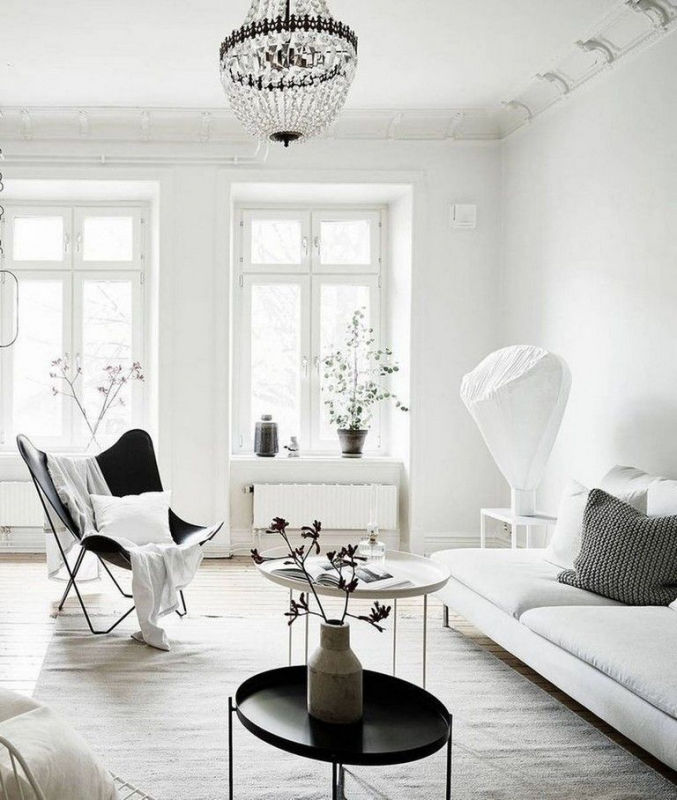
The Nordic design style is defined by hygge—the feeling of cozy contentment. It is the ultimate antidote to the “clutter-burnout” of modern living. By prioritizing light-reflecting surfaces, tactile natural materials, and “form-follows-function” layouts, this style turns even the smallest apartment into a tranquil sanctuary.
Why It Works:
I often recommend Nordic design to clients in small city apartments. Because it uses a high-key neutral palette and keeps floor space clear, it creates the illusion of square footage where there is none. If you’re struggling with a cramped rental, this is your blueprint.
Best characteristics of Nordic Design:
- Functionality: If it doesn’t serve a purpose or provide joy, remove it. Focus on multi-functional pieces like storage ottomans or wall-mounted shelving.
- The “Neutral-Plus” Palette: Start with white, cream, or light grey as your base. Introduce warmth through natural wood tones (pine, ash, or light oak) rather than heavy stains.
- Tactile Layers: Since the color palette is neutral, texture is your primary decor tool. Layer sheepskin rugs, wool throws, and linen drapes to keep the “Minimalist” look from feeling “Cold.”
- Lighting is Key: In Nordic countries, daylight is precious. Avoid heavy window treatments; use sheer blinds or leave windows bare to maximize light reflection.
Your Next Step: Implementation
Don’t overhaul your whole room at once. Use this “Nordic Reset” formula:
- Clear your surfaces: Remove 50% of the decor items on your coffee table and bookshelves.
- Add one “Warmth” element: Introduce a light-toned wooden piece or a textured throw.
Optimize your light: Swap out your heavy curtains for sheer ones.
2. Bohemian
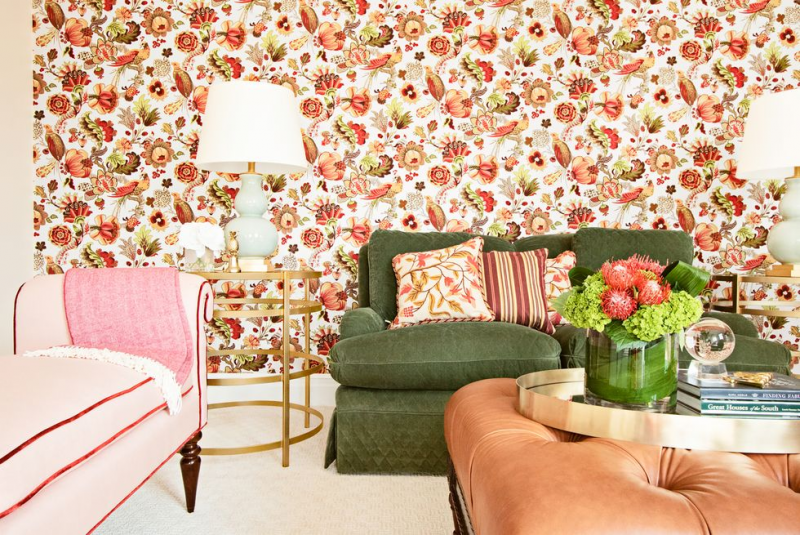
Bohemian, or “Boho,” design is the art of the curated collection. It rejects the constraints of modern minimalism, opting instead for a layered, globally-inspired aesthetic that feels lived-in, soulful, and deeply personal. It’s not just about “stuff”—it’s about surrounding yourself with items that tell a story.
Why It Works:
I love Boho for renters and those on a budget. Because this style thrives on ‘mix-and-match’—rather than matching sets—you can build your home over time using vintage finds, travel souvenirs, and affordable market pieces. It’s the most forgiving style because it celebrates imperfection.
Best characteristics of Bohemian Design:
Use these principles to build a room that feels “Boho,” not “Messy.”
- The Texture Layer: This is the heart of Boho. You must combine at least three different tactile elements: smooth wood (rattan/bamboo), soft textiles (velvet/wool), and natural greenery.
- Controlled Color: To keep the “eclectic” look from becoming overwhelming, use the 60-30-10 rule. Pick a neutral base (60%), an earthy accent (30%—like terracotta or olive green), and a bold, vibrant “pop” (10%—like burnt orange or indigo).
- Vintage & Handmade: Incorporate at least one “soul” piece—a vintage credenza, a handmade macramé wall hanging, or a rug from a local bazaar. These items prevent the room from feeling like a showroom.
- Low-Profile Living: Boho encourages a relaxed vibe. Opt for floor seating, poufs, and low-slung sofas to keep the room feeling grounded and lounge-ready.
Your Next Step: The “Boho Layering” Formula
If your room feels like it’s missing that “Boho vibe,” don’t go out and buy more furniture. Just add layers:
- Floor: Add a high-pile or jute rug to define the space.
- Wall: Hang a textile—a rug, a macramé piece, or a gallery wall of art—above your sofa.
- Life: Add at least three plants of varying heights. Greenery is the final “glue” that pulls any Boho room together.
3. Glamorous
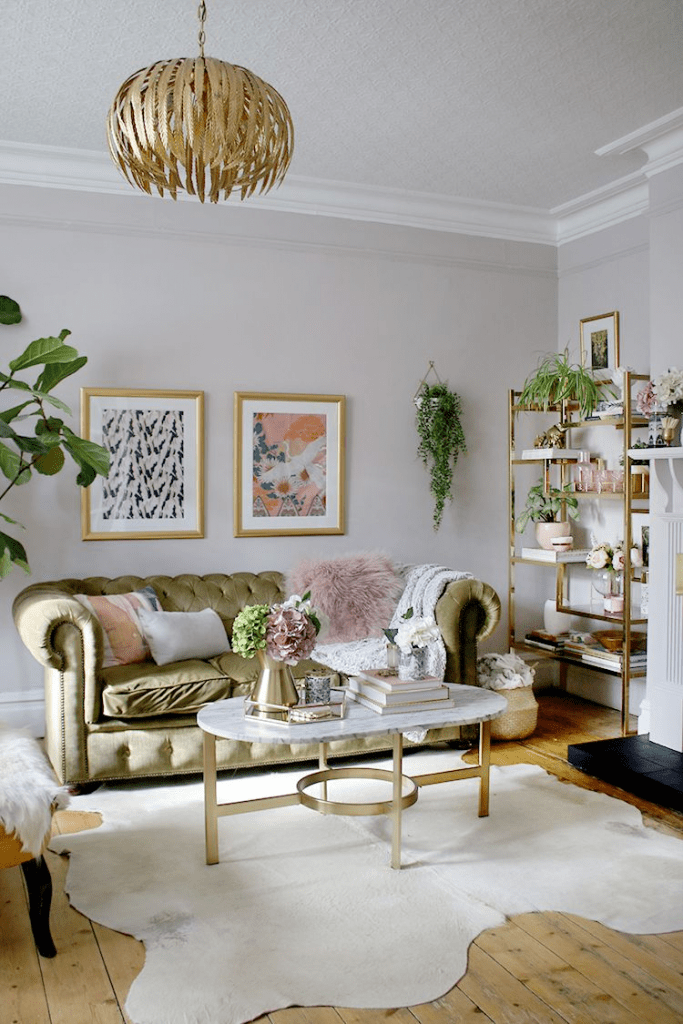
Glamorous design—often referred to as “Modern Glam”—is about creating a space that feels like a polished, high-end sanctuary. It isn’t just about gold and sparkle; it’s about the intentional layering of reflective surfaces and rich textures to create a sense of drama and sophistication.
Why It Works:
Many clients think ‘Glam’ means ‘tacky,’ but it’s actually the opposite when done right. Real glamour is about restraint. It’s about letting one ‘hero’ piece—like a brass-framed mirror or a velvet statement chair—set the tone against a neutral, clean-lined background. It’s the easiest way to make a budget-friendly home look expensive.
Best characteristics of Glamorous Design:
Use these principles to bring ‘Quiet Luxury’ into your space:
- The Reflective Rule: Every room needs a “sparkle” element to feel Glam. This could be a glass-topped coffee table, a metallic lamp base, or high-gloss lacquer paint on a cabinet.
- Textile Tension: Pair opposites. Use smooth, cold surfaces (like marble or metal) next to soft, warm surfaces (like deep-pile velvet or silk). This contrast creates visual interest and depth.
- Monochromatic Bases: Don’t go overboard with color. A “Glam” room usually lives in a sophisticated, restricted palette: creams, champagnes, charcoals, or deep navy. This makes the metallic accents “pop” without looking cluttered.
- Sculptural Lighting: In Glam design, lighting isn’t just functional—it’s a piece of jewelry. Choose chandeliers or sconces with strong, architectural silhouettes.
Your Next Step: The “Glamour Injection” Formula
If you want your room to feel more “designer” and less “DIY,” focus on these three low-effort, high-impact swaps:
- Hardware Swap: Replace your generic cabinet pulls or door handles with polished brass or matte black architectural alternatives.
- Fabric Update: Replace thin, flat throw pillows with thicker, higher-end textures like velvet or faux fur.
- Statement Mirror: Hang one large-scale mirror with an ornate or clean-lined metallic frame to bounce light around the room.
4. Country
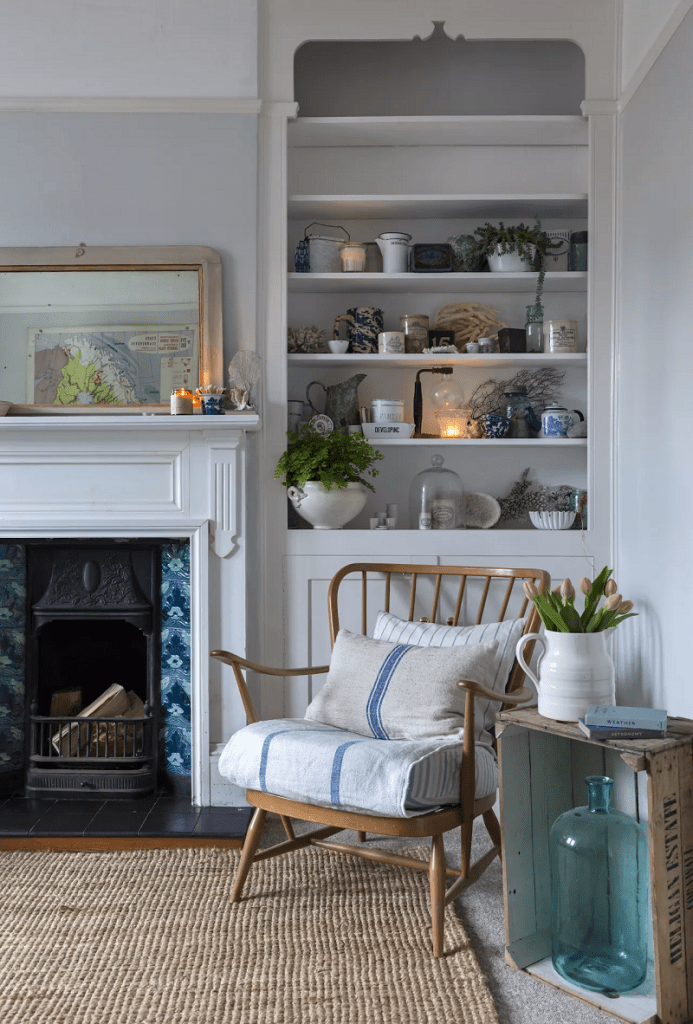
Country design is the original “slow living” aesthetic. It is less about being perfect and more about being purposeful. It celebrates craftsmanship, natural materials, and the warmth of a home that feels like a refuge from the digital, high-speed world.
Why It Works
Country design is the ultimate antidote to the ‘showroom’ feel. It’s a style that welcomes life—the scratched wood table, the lived-in sofa, the mismatched ceramics. I love recommending this to families because it’s a style that actually improves with use. It isn’t precious, it’s practical.
Best characteristics of Country Design:
Follow these rules to capture that ‘Cotswoldcore’ or ‘Modern Farmhouse’ charm without feeling dated:
- Material Honesty: Prioritize raw, natural materials. Think reclaimed wood beams, stone flooring, natural sisal rugs, and unpainted or subtly stained cabinetry.
- Textile Softness: Ditch the sharp edges. Layer linens, cottons, and wools in soft, earthy tones. Botanical prints (small-scale florals) are the quintessential “Country” pattern, but keep them subtle.
- The “Collected” Kitchen: This style is defined by open storage. Display your everyday pottery, vintage mixing bowls, and copper cookware. It’s about utility becoming art.
- Warm Lighting: Avoid cool-toned LEDs. Country style demands warm, glowing light—think lantern-style fixtures or table lamps with fabric shades that cast a soft, ambient glow.
Your Next Step: The “Country Soul” Formula
If your room feels too “stark” or “modern,” use these three steps to inject some Country warmth:
- Bridge the gap: Add a natural element to your modern room (e.g., a wooden cutting board or a rustic ceramic vase).
- Softening textiles: Swap your synthetic throw pillows for linen covers in muted, earthy tones like sage, oat, or terracotta.
- Bring the outside in: Use botanical elements—dried lavender, a simple ceramic jug of wildflowers, or a potted herb plant—to connect the interior to the landscape.
5. Industrial
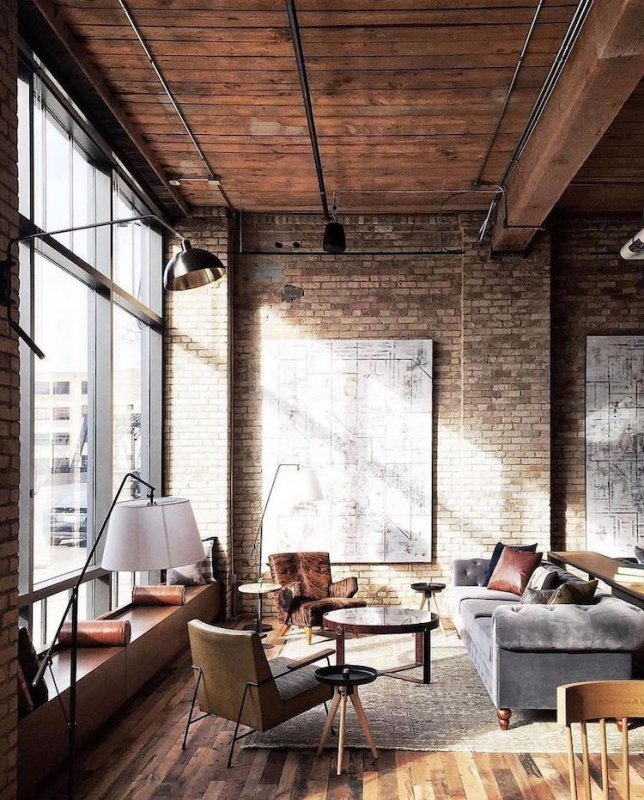
Industrial design takes its cues from old warehouses, factories, and converted lofts. It’s a raw, stripped-back aesthetic that celebrates structural elements like exposed brick, pipes, and metal beams. This style is for the reader who wants their home to feel honest, sturdy, and effortlessly cool.
Why It Works
Industrial design is all about ‘exposing the truth’ of a space. Many people think it’s too cold, but the secret is in the ‘patina’—the wear and tear on leather, the rust on metal, the grain in the wood. It’s the perfect style for high-traffic homes because it’s meant to look better the more ‘lived-in’ it gets. If you’re a perfectionist, this style might be a challenge; if you love a story, it’s perfect.
Best characteristics of Industrial Design:
Use these principles to bring the ‘Warehouse Loft’ vibe into any space:
- Exposed Elements: You don’t need a factory to get the look. Use faux-brick wallpaper, paint your ceiling pipes black, or select furniture with visible joints and hardware.
- The “Metal-and-Wood” Combo: This is your foundation. Think metal table frames with chunky, unfinished wood tops. These two materials define the style.
- Moody Lighting: Forget soft, diffused light. Industrial spaces rely on dramatic lighting—think Edison bulbs, pendant lights with caged metal shades, and floor lamps with tripod bases.
- Distressed Textures: Avoid high-gloss finishes. You want materials that look like they’ve seen work. Think cognac-colored leather, oxidized metal, and raw concrete.
Your Next Step: The “Industrial Edge” Formula
If your room feels too “polished” or “traditional,” use these three steps to give it an edge:
- The Lighting Swap: Replace one primary lamp or light fixture with a metal-caged pendant or a matte black floor lamp.
- Texture Switch: Add a cognac leather pillow or a small ottoman to your sofa setup to introduce that necessary “worn” texture.
- Hardware Overhaul: Swap out delicate cabinet knobs for heavy, matte-black industrial bars or exposed-screw hardware.
6. Coastal
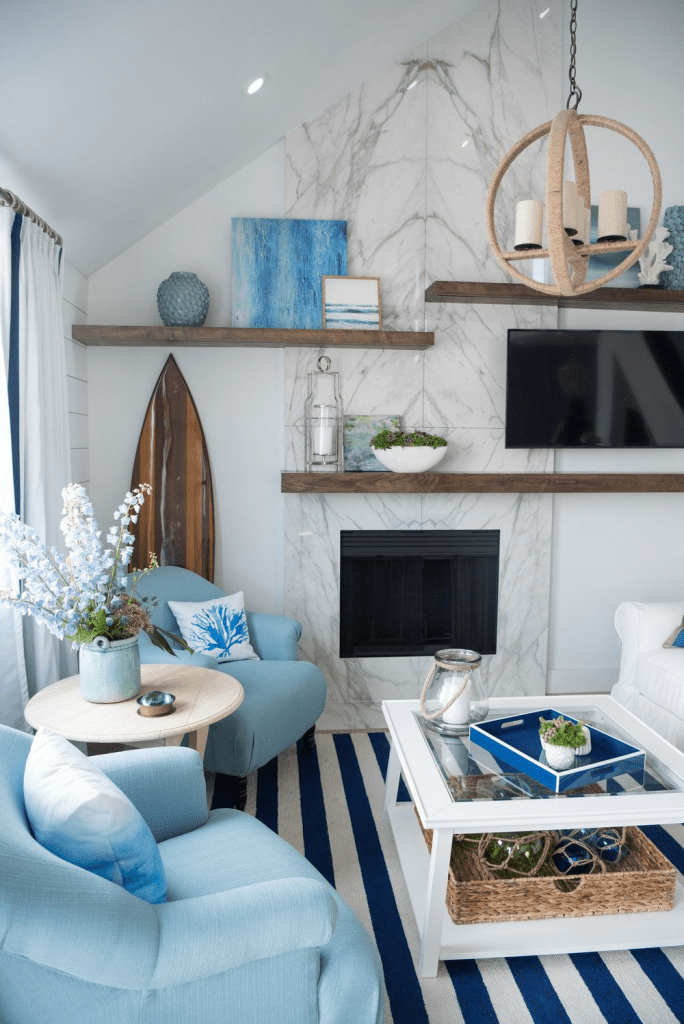
Modern Coastal design is about capturing the restorative essence of the ocean. It isn’t about themed decor; it is about replicating the light, air, and organic color palette of the shore. Think high-end boutique resort rather than “beach house.” It’s designed to feel open, uncluttered, and perpetually relaxed.
Why It Works
The secret to Modern Coastal is restraint. Most people go too far with the ‘beach’ theme. I teach my clients to use the ocean as a color palette—soft blues, bleached whites, and sandy neutrals—but to keep the shapes modern. Use weathered wood for texture, but keep your furniture silhouettes clean and architectural. That contrast is what makes the style feel expensive and timeless.
Best characteristics of Coastal Design:
Use these principles to bring the ‘Resort Vibe’ into your home:
- The Light-First Rule: Coastal homes rely on maximum natural light. Keep window treatments sheer and airy. If you don’t have enough light, use mirrors to reflect whatever you do have.
- Organic Texture Layering: The core of this style is “found” materials. Incorporate jute or sisal rugs, rattan lighting, bleached driftwood decor, and stone accents.
- Crisp, Breathable Fabrics: Linen is the undisputed king of Coastal style. Use it for sofa slipcovers, curtains, and bedding. It creates that perfectly “relaxed-but-neat” look.
- The “Shoreline” Palette: Stick to a 90% neutral base (white, sand, cream) and use the remaining 10% for soft, watery accents (seafoam green, dusty blue, or indigo).
Your Next Step: The “Coastal Calm” Formula
If your room feels too “heavy” or “urban,” use these three steps to invite that seaside calm:
- The Slipcover Swap: If you have a bulky, dark sofa, drape it with a white or oatmeal-colored linen throw or a structured slipcover to lighten the room’s footprint.
- The Texture Reset: Replace one “synthetic” item (like a plastic lamp or metal accent) with a natural texture like a woven basket, a wooden tray, or a sisal rug.
- Botanical Minimalism: Remove the clutter from your shelves and replace it with a single, large, sculptural element—like a piece of driftwood or a simple, large-scale ceramic vase with a single branch.
7. Art Deco
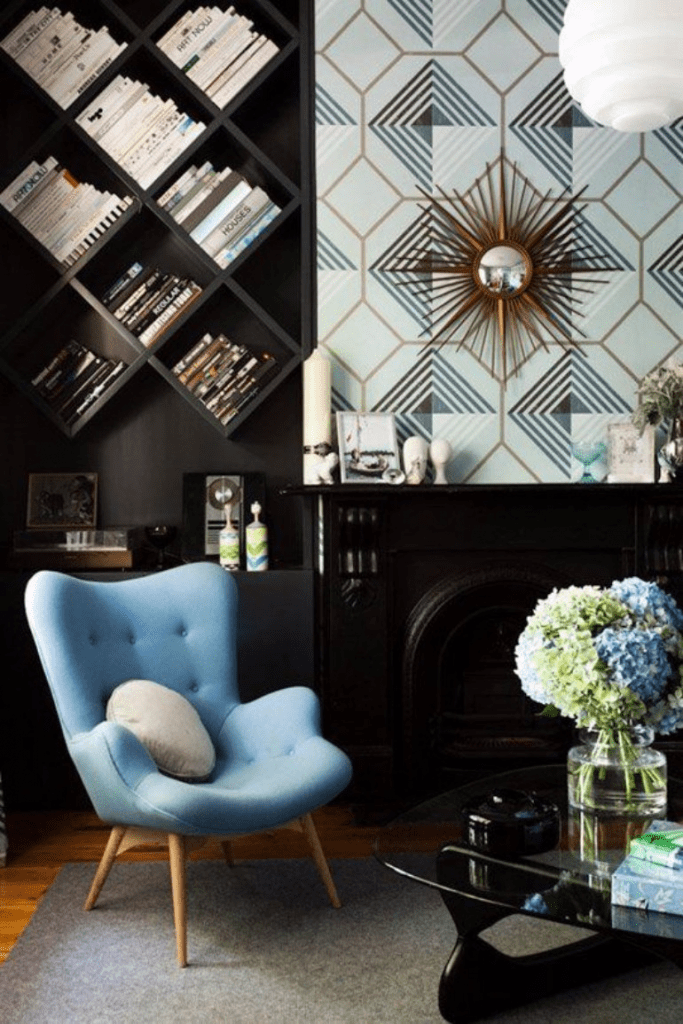
Art Deco is the style of the Jazz Age—it’s bold, unapologetically opulent, and obsessed with symmetrical geometry. While it emerged in the 1920s, today’s “Modern Deco” is about taking that high-contrast, structural energy and simplifying it to fit into contemporary homes. It’s for the reader who wants their space to feel like a performance rather than just a room.
Why It Works
Art Deco is the ultimate ‘anti-boring’ style. If you feel like your home is flat or lacks personality, a single Deco-inspired piece—like a sunburst mirror or a geometric-patterned rug—can wake the whole room up. It’s not about covering your home in gold; it’s about using bold, structured lines to create a sense of importance and luxury.
The Art Deco Design Checklist
Use these principles to bring ‘Jazz Age’ sophistication into any modern space:
- Geometric Precision: Everything in Deco is balanced. Look for chevron, zig-zags, sunbursts, and stepped, pyramid-like silhouettes.
- The High-Contrast Palette: Deco isn’t shy. The classic combination is black and white, punctuated by high-shine metallics (gold, brass, or chrome) and deep “jewel” accents (emerald green, sapphire blue, or velvet plum).
- Luxurious Materials: This style thrives on “touchable” luxury. Prioritize high-gloss lacquer, glass, marble, and rich, solid-colored velvets.
- Streamlined Curves: Even when the style is geometric, it often includes “streamlined” furniture pieces—think sofas with rounded corners or chairs that look like architectural sculptures.
Your Next Step: The “Deco Drama” Formula
If your room feels like a “box” and needs a point of focus, use these three steps to add structural drama:
- The Mirror Statement: Hang a large, gold-framed sunburst or geometric mirror. It acts as the “jewelry” of the room and immediately dictates the style.
- The Textile Shift: Add one piece of velvet furniture (or a pillow) in a deep jewel tone. The rich texture is a hallmark of the era.
- Graphic Rug: If you have neutral floors, layer a rug with a bold, graphic, or geometric black-and-white pattern to anchor the room.
8. French Country
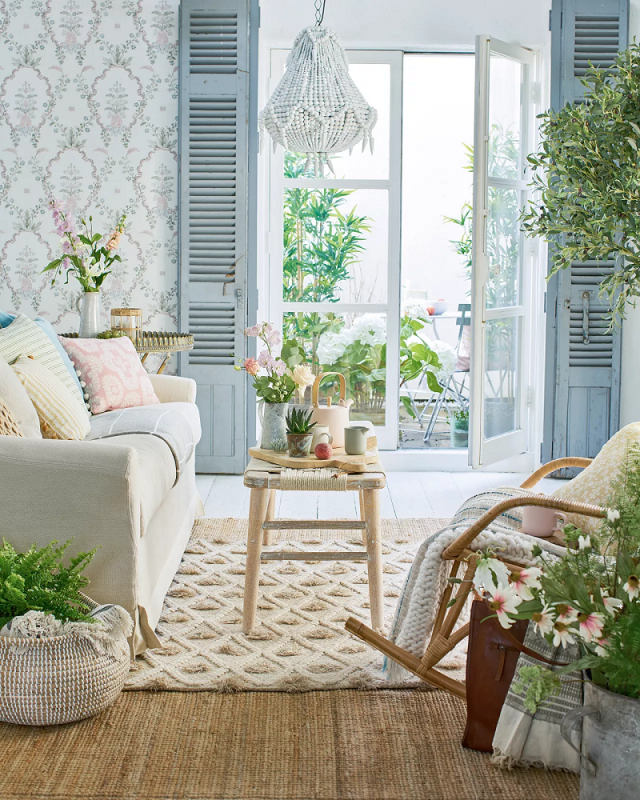
French Country design (often inspired by the Provencal region) is all about effortless, lived-in luxury. It combines the raw, earthy textures of the countryside with the soft, refined grace of European history. It is for the reader who wants their home to feel like it has been passed down through generations—a space that is welcoming, soft, and eternally classic.
Why It Works
French Country is the ultimate ‘anti-trend’ style. Because it relies on timeless materials like stone, linen, and aged wood, it never goes out of style. The ‘magic’ here is in the contrast: pairing a rough-hewn farmhouse table with a delicate, ornate chandelier. That tension between the ‘rustic’ and the ‘refined’ is what makes this style so incredibly sophisticated.
The French Country Design Checklist
Use these principles to bring a touch of the French countryside to your living space:
- The Palette of the Earth: Start with a neutral, soft base (creams, warm whites, pale greys). Add color through nature-inspired accents: lavender, sage green, sunny yellow, or soft terracotta.
- Toile and Textiles: If you want that authentic French touch, incorporate Toile de Jouy (the classic French fabric with intricate monochromatic scenes). If that feels too busy, use linen in natural, slubby textures for slipcovers and curtains.
- Aged Finishes: Avoid anything that looks brand-new and shiny. Prioritize furniture with a “distressed” or “weathered” patina, and look for decor made of aged brass, copper, or wrought iron.
- Curated Curves: Unlike the sharp lines of modern design, French Country loves soft, sweeping curves—think rounded chair backs, arched mirrors, and cabriole legs on furniture.
Your Next Step: The “Provencal Touch” Formula
If your room feels too modern or “stiff” and you want to inject some French Country soul, use these three steps:
- The Lighting Statement: Swap a standard ceiling light for a lantern-style or iron-wrought chandelier. It immediately changes the “personality” of the room.
- The Softness Layer: Introduce linen throw pillows or a light-colored linen throw. The fabric’s texture is key to capturing that soft, airy French feel.
- The Rustic Anchor: Add one piece of furniture or decor with a “worn-in” look—a weathered wooden stool, an antique-style mirror, or a ceramic pitcher filled with fresh wildflowers.
9. Japandi
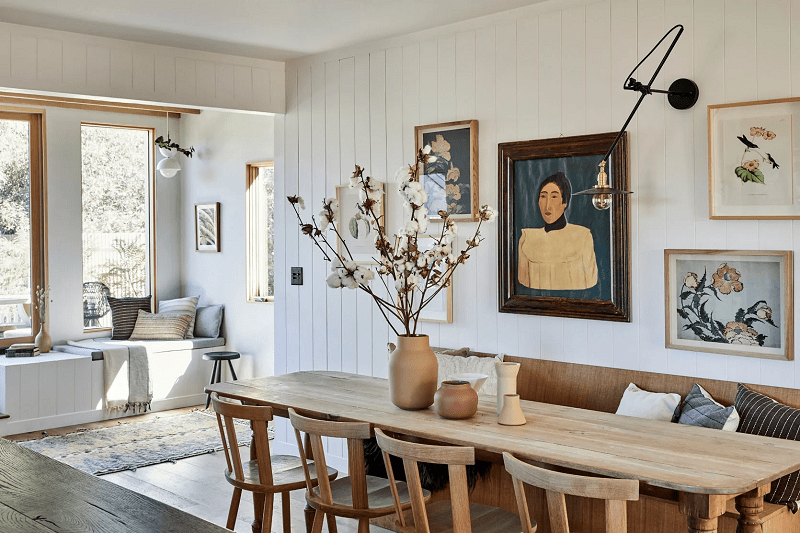
Japandi is where the rustic simplicity of the Nordic “Hygge” meets the refined, nature-centric aesthetic of Japanese “Wabi-Sabi.” It is a style defined by low-to-the-ground furniture, muted palettes, and an extreme commitment to high-quality, sustainable materials. It is for the reader who wants their home to be a “visual silence” where every single object is chosen with intention.
Why It Works
Japandi is arguably the most balanced design style we have today. Nordic design can sometimes feel a bit too ‘white’ or stark, and Japanese design can sometimes feel too rigid. By combining them, you get the warmth of the Scandinavian cozy factor with the discipline and structure of Japanese Zen. It’s the perfect style for those who want a calm, uncluttered home that doesn’t feel like a museum.
The Japandi Design Checklist
Use these principles to bring ‘Visual Silence’ into any room:
- Low-Profile Foundation: Japandi favors furniture that sits closer to the floor (sofas, platform beds, coffee tables). This creates a sense of space and grounds the room.
- The Warm-Neutral Base: Swap your “cool greys” for warmer, organic tones. Think oatmeal, mushroom, sand, and charcoal, paired with raw, light-toned woods like oak or ash.
- The Wabi-Sabi Aesthetic: Embrace the beauty of imperfection. Display one or two pieces that are handmade, have a unique texture, or show signs of age.
- Functional Clutter-Control: In Japandi, if you don’t use it, it doesn’t stay out. Use sleek, closed-door cabinetry to hide all your “everyday” items, keeping the surface area completely clear.
Your Next Step: The “Japandi Discipline” Formula
If your room feels messy or “loud,” use these three steps to achieve that signature Zen calm:
- The Declutter Audit: Clear every surface until you have only one or two sculptural items left. If it’s not beautiful or functional, it goes into a drawer.
- The “Floor Focus”: Replace or remove one “leggy” or tall piece of furniture and replace it with a lower-profile option to open up the wall space.
- Natural Accent: Introduce one element that brings in the “Wabi-Sabi” spirit—a handmade clay vase, a piece of raw stone, or a live, sculptural plant like a bonsai or a singular, large branch in a minimalist vessel.

10. Maximalist
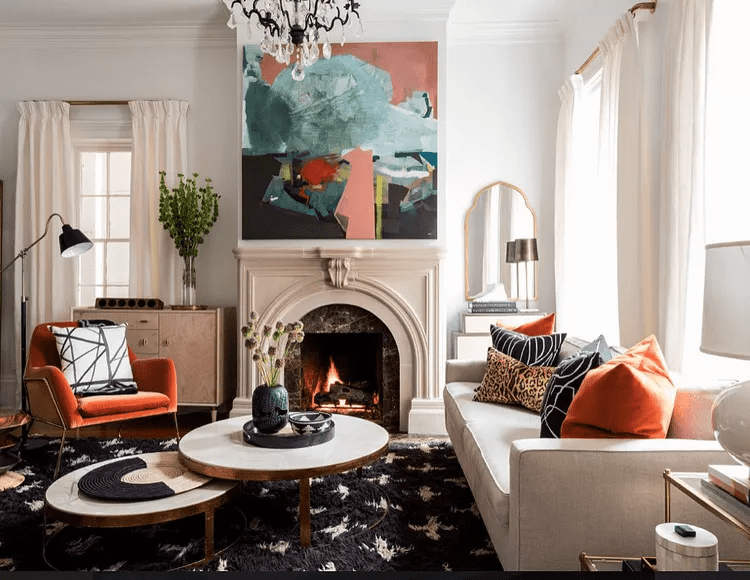
Maximalism is the ultimate expression of personality. It is the design equivalent of a bookshelf packed with your favorite novels, travel memories, and art pieces. While it thrives on variety, true Maximalism is not a dumping ground for stuff; it is a highly disciplined layering of color, pattern, and texture that creates a rich, immersive “total environment.” It is for the reader who wants their home to be an adventure.
Why It Works
Maximalism is often mistaken for clutter, but the difference is cohesion. In a Maximalist room, the chaos is ‘controlled.’ I tell my clients to treat their home like a private museum. You don’t have to love every color, but you do have to love every object. When every item is a ‘hero’ in its own right, the room stops feeling messy and starts feeling intentional, vibrant, and alive.
The Maximalist Design Checklist
Use these principles to build a room that feels ‘Abundant,’ not ‘Overwhelming’:
- The “Cohesion” Anchor: To make a room with 10 colors and 5 patterns work, you need one common thread. Pick a single color that repeats in the patterns, or a specific metallic finish (like brass) that anchors the various objects together.
- Layering Textures: Maximalism requires tactile variety. Don’t just layer patterns; layer materials. Pair a velvet sofa with a silk rug, rattan side tables, and brushed metal lamps.
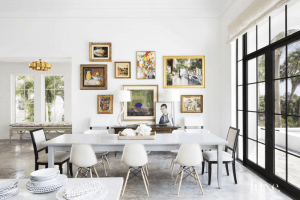
- The “Gallery Wall” Effect: Walls are canvases. Don’t leave them blank. Use oversized art, framed prints, sculptural wall decor, or even hats and textiles to cover wall space.
- Rule-Breaking Color: Embrace high-contrast pairings that usually don’t “match.” The trick is to use different scales of pattern (e.g., a large floral paired with a small geometric check) to keep the eye moving.
Your Next Step: The “Maximalist Remix” Formula
If your room feels “thin” and you want to dial up the personality, use these three steps to build your “Curated Abundance”:
- The Pattern-Mix Test: Find two patterned items you love—perhaps a pillow and a blanket—that share one dominant color. Place them together. If they share a color, they will look like a intentional pair.
- Surface Elevation: Clear your flat surfaces (side tables, shelves) and group your decor into “threes.” A group of three objects of varying heights always looks more “designed” than a single item.
Wall Personality: Choose one “feature” wall and lean into it. Don’t just hang one piece of art; create a floor-to-ceiling arrangement that makes the wall a destination.
11. Minimalist
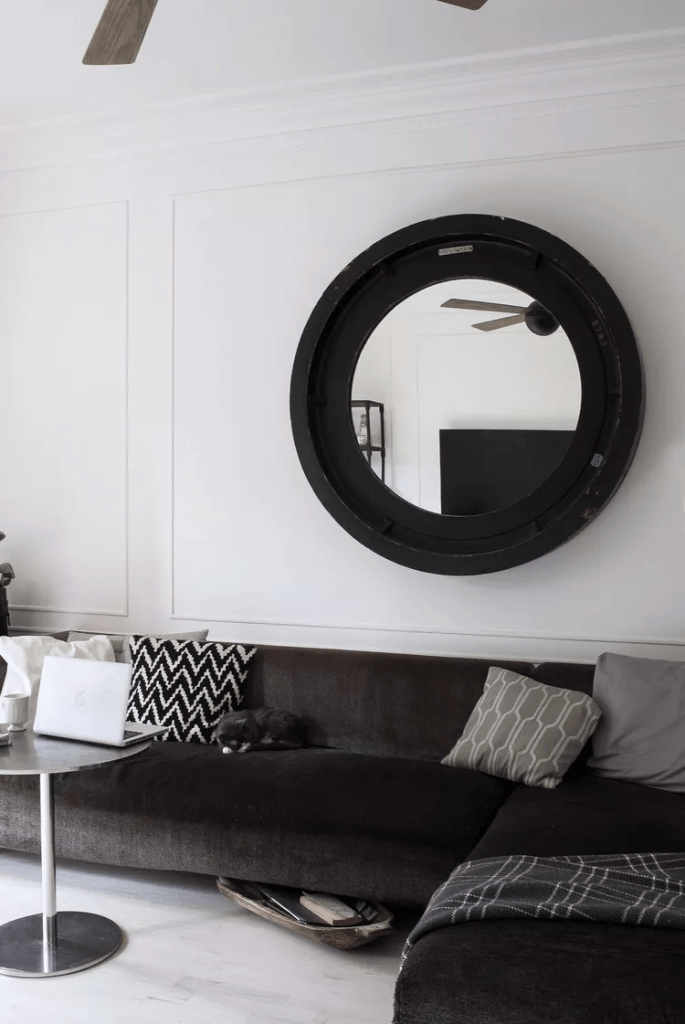
Minimalism is the ultimate design philosophy for those who want their home to be a partner in their productivity and peace of mind. It is defined by “visual silence”—the absence of unnecessary distraction—which allows the architecture of a room, the quality of a specific material, and the natural light to become the focal points. It is for the reader who finds that “less” is actually “more.”
Why It Works
The biggest mistake people make with Minimalism is confusing it with ‘nothingness.’ True Minimalism is about intent. When you have very few items in a room, those items become incredibly important. Every chair, every lamp, and every bowl must be beautiful and functional. It’s a disciplined style, but it provides a mental clarity that no other aesthetic can match. If you’re constantly stressed by your environment, Minimalism is the reset button you need.
2. The Minimalist Design Checklist
Use these principles to achieve ‘Visual Silence’ without feeling clinical:
- The “One-In, One-Out” Rule: Minimalism is a behavior, not just a look. To maintain this style, every new item introduced to the room must displace an existing one of equal size.
- Monochromatic Layers: To avoid a “sterile” feel, use a monochromatic palette that relies on depth rather than just white. Use varying shades of the same tone—off-white, cream, sand, and taupe—to create a sense of richness.
- Hidden Storage: If it’s not an aesthetic “hero,” it belongs behind closed doors. Use minimalist cabinetry, built-ins, or modular storage to hide the “life stuff” (cables, remotes, papers) that ruins a clean line.
- Quality Over Quantity: Because there are so few items in the room, invest in the highest quality you can afford. A single, perfectly crafted wooden table is infinitely more powerful than ten cheap, plastic decor items.
3. Your Next Step: The “Minimalist Edit” Formula
If your room feels like it’s “drowning in stuff,” use these three steps to reclaim your space:
- The Surface Sweep: Take everything off your coffee table, dining table, and bookshelves. Only return the items that are essential for the room’s function.
- The Silhouette Test: Look at your room. Are there pieces of furniture that feel “busy” or overly ornate? Remove or replace them with items that have clean, geometric, or monolithic silhouettes.
The Light Reveal: If your windows are covered by heavy, dark, or patterned curtains, remove them. Replace them with simple, neutral shades or floor-to-ceiling linen panels to let the light act as your primary decor.
12. Organic Minimalist
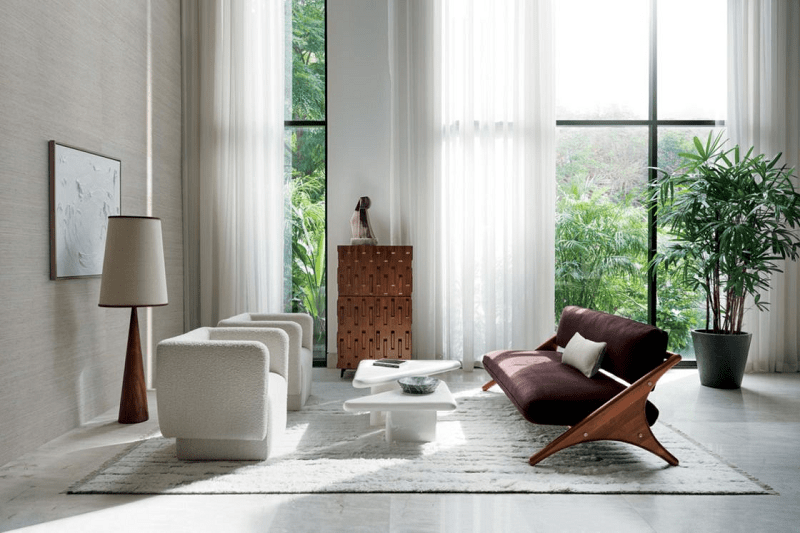
Organic Minimalist design is the intersection of high-concept simplicity and raw, natural beauty. It strips a room down to its essential function, but replaces the “starkness” of traditional minimalism with earthy textures, imperfect shapes, and warm, sun-drenched palettes. It is for the reader who wants their home to feel like a high-end spa—uncluttered, intentional, and deeply connected to the natural world.
Why It Works
Organic Minimalist is the ‘breath of fresh air’ style. Where traditional minimalism can feel a bit like a gallery, this style feels like a home. It relies on the beauty of organic imperfections—like a hand-thrown ceramic vase or a raw-edged wooden table—to create visual warmth. It’s my #1 recommendation for anyone feeling overwhelmed by modern life; it’s an aesthetic that physically lowers your heart rate when you walk through the door.
The Organic Minimalist Design Checklist
Use these principles to bring ‘Nature-Inspired Calm’ into any space:
- Curved Silhouettes: Trade sharp, 90-degree corners for softer, organic shapes. Look for round coffee tables, arched floor mirrors, and sofas with curved, sculptural backs.
- The “Tactile” Palette: Stick to colors found in the earth: warm sand, terracotta, olive, cream, and deep espresso. The “minimalism” comes from the limited color count, but the “organic” comes from the richness of the tones.
- Raw, Unfinished Materials: If a material looks like it came straight from the earth, use it. Prioritize raw stone, travertine, light-stained oak, untreated linen, and natural jute.
- Light as Decor: Lighting in this style should be soft and diffused. Avoid harsh overhead lighting in favor of floor lamps with paper or fabric shades that mimic the warmth of sunlight filtering through leaves.
Your Next Step: The “Earth-Grounding” Formula
If your room feels too “perfect,” “shiny,” or “cold,” use these three steps to bring it back down to earth:
- The Texture Swap: Replace one “synthetic” accessory (like a plastic lamp or glass vase) with something raw—a hand-carved wooden bowl, a stone candle holder, or a dried botanical branch in an oversized ceramic jug.
- The Softening Move: Layer your hard surfaces. If you have a sleek, modern floor, add a thick, hand-woven jute or wool rug. If you have a cold wall, add a linen hanging.
- The “Curved” Intervention: If your room feels like a box, add one rounded piece—a curved accent chair, a round rug, or an arched mirror—to break up the rigid lines and introduce that “flowing” organic energy.
13. Mid-Century Modern
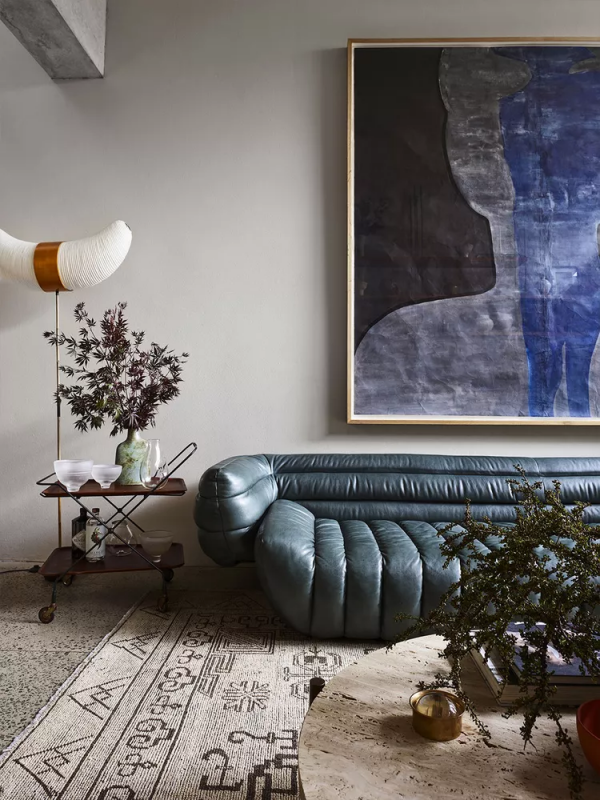
MCM design emerged in the mid-20th century as a response to the ornate, cluttered styles of the past. It is defined by its “honest” approach to materials, featuring clean, unadorned lines, dramatic curves, and a deliberate lack of excess. It’s for the reader who loves the “retro-cool” aesthetic but wants their home to feel contemporary, airy, and sophisticated rather than like a museum exhibit.
Why It Works
Mid-Century Modern is the ‘Swiss Army Knife’ of design styles—it fits almost anywhere. The genius of MCM is in the tapered leg and the raised furniture—by lifting sofas and sideboards off the floor, it creates a sense of space and flow that makes even small apartments feel open. If you want a home that feels curated, intentional, and effortlessly stylish without being ‘stuffy,’ MCM is your best bet.
The Mid-Century Modern Design Checklist
Use these principles to bring ‘Retro-Chic’ sophistication into your home:
- The Tapered Profile: This is the hallmark of MCM. Look for tables, chairs, and credenzas with slender, tapered legs. This “lifted” look is essential for that airy, mid-century feel.
- Organic & Geometric Harmony: MCM isn’t just straight lines. It’s the contrast between geometric, angular furniture (like a sleek desk) and organic, fluid curves (like a kidney-bean coffee table or a curved-back armchair).
- Warm Wood Tones: Prioritize rich, warm wood tones like teak, walnut, or rosewood. Avoid dark, heavy stains or overly distressed finishes.
- Graphic Color Pops: Don’t be afraid of color. MCM leans into saturated, punchy hues—mustard yellow, burnt orange, avocado green, and deep teal—against a clean, neutral background.
Your Next Step: The “MCM Flow” Formula
If your room feels “heavy” or “dated,” use these three steps to inject that Mid-Century energy:
- The “Lift” Strategy: Swap out one clunky, floor-to-ceiling furniture piece (like a heavy bookcase or solid-base sofa) for a piece that sits on slim, tapered legs. You’ll be shocked at how much larger the room feels.
- The Silhouette Swap: Replace one soft or oversized decor item with something that has a strong, geometric, or sculptural silhouette—like an atomic-style clock or a tripod floor lamp.
- The Texture Contrast: Introduce a wood element with a rich, smooth grain (like walnut) against a solid-color textile to capture that essential MCM contrast between the natural and the manufactured.
14. Hollywood Regency
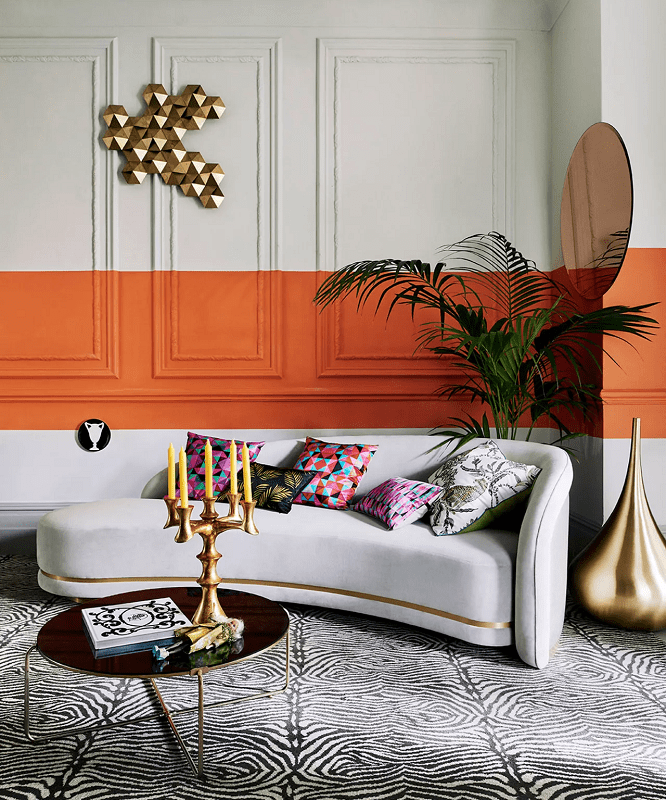
Hollywood Regency was born in the 1930s to make movie stars’ homes look as spectacular as their films. It is a fusion of Art Deco geometry, high-gloss luxury, and a healthy dose of wit. It’s defined by “Chinoiserie” influences, mirrored surfaces, and a strict commitment to drama. It is for the reader who loves bold statements, believes furniture should be sculptural, and isn’t afraid of a little “sparkle.”
Why It Works
Hollywood Regency is what I call ‘the tuxedo of interiors.’ It never fails to look finished, expensive, and intentional. The secret isn’t just the gold—it’s the scale. Hollywood Regency furniture is often lower and more ‘lounging’ than traditional furniture, which makes a room feel like an exclusive club. If your space feels a bit ‘flat’ or ‘builder-grade,’ this style is the quickest way to inject a high-end, cinematic quality.
The Hollywood Regency Design Checklist
Use these principles to bring ‘Old Hollywood’ glamour to your home:
- High-Gloss Lacquer: This style loves shine. Use lacquered side tables, polished marble, or high-gloss black paint on cabinets. The reflection is essential to the look.
- The “Drama” Palette: Start with a high-contrast base (black and white) and then layer in your “Jewels.” Think saturated teals, hot pinks, or emerald greens, all tied together by heavy doses of brass or gold.
- Mirrored & Reflective Furniture: A signature of the style is the mirrored credenza or coffee table. It makes a room feel larger while simultaneously adding that “movie star” glow.
- Chinoiserie & Nature Motifs: Hollywood Regency often pulls in “exotic” influences—think bamboo-patterned furniture, palm leaf wallpaper, or pagoda-style lanterns. It’s all about a sense of travel and whimsy.
Your Next Step: The “Cinematic Statement” Formula
If your room feels too “standard” or “safe” and needs a Hollywood edge, use these three steps:
- The Lacquer Upgrade: Take one wooden side table or a plain piece of cabinet storage and paint it in a high-gloss lacquer finish (or use a high-gloss vinyl wrap). That shiny finish is the first step toward Regency style.
- The Brass Accent: Replace your flat, matte metal hardware with polished brass or “bamboo-style” brass pulls.
- The “Scale” Shift: Introduce one oversized, sculptural piece—like a large-scale mirror or a bold, graphic-patterned rug. Hollywood Regency is about “go big or go home.”
15. Shabby Chic
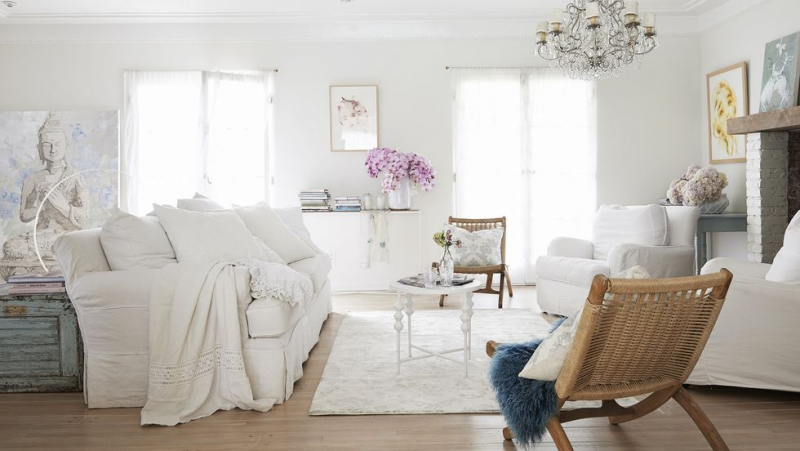
Shabby Chic is defined by its soft, feminine, and slightly worn-in elegance. It is the visual equivalent of a vintage postcard or a sun-drenched cottage garden. It prioritizes comfort over formality, featuring slipcovered furniture, distressed wood finishes, and delicate, floral patterns. It is for the reader who wants their home to feel like a permanent, peaceful getaway.
Why It Works
Shabby Chic is often misunderstood as ‘cluttered’ or ‘dated,’ but when it’s done right, it is incredibly sophisticated. The key is restraint. I tell my clients: don’t distress every piece of furniture. Use it as an accent. The magic of this style is how it handles the ‘wear and tear’ of life. A slipcover that can be washed and a wooden table that already has a scratch? That’s not a flaw; that’s the style. It’s the ultimate family-friendly design.
The Shabby Chic Design Checklist
Use these principles to bring ‘Cottage-Style’ warmth into any room:
- The White-on-White Base: Start with a neutral palette, primarily whites, creams, and pale ivories. This acts as the clean “frame” for your vintage accents and layered textures.
- Slipcovered Ease: If it’s upholstered, it should look relaxed. Look for loose-fitting, washable linen or cotton slipcovers that hang naturally rather than being taut and stiff.
- Distressed & Painted Wood: This style celebrates the “shabby.” Use furniture with chipped white or pastel paint finishes that show the wood grain underneath—this adds immediate history to a space.
- Romantic Accents: Incorporate delicate patterns like soft florals, ticking stripes, or ruffled edges. Pair these with vintage-inspired hardware (like crystal knobs) to lean into the romantic vibe.
Your Next Step: The “Romantic Softening” Formula
If your room feels too “modern,” “cold,” or “masculine” and you want to inject some Shabby Chic softness, use these three steps:
- The Slipcover Layer: You don’t need to buy a new sofa. Use a structured, neutral-colored linen throw blanket to drape over your existing sofa cushions, softening the silhouette.
- The Hardware Refresh: Swap your plain door handles or drawer pulls for vintage-style glass, crystal, or aged brass alternatives. It’s a low-cost swap that changes the entire aesthetic.
- The Botanical Anchor: Add a vintage-inspired vase with a simple, airy arrangement—think dried baby’s breath, lavender, or faux-hydrangeas. It’s the simplest way to add that romantic, “cottage” feel.
16. Mediterranean
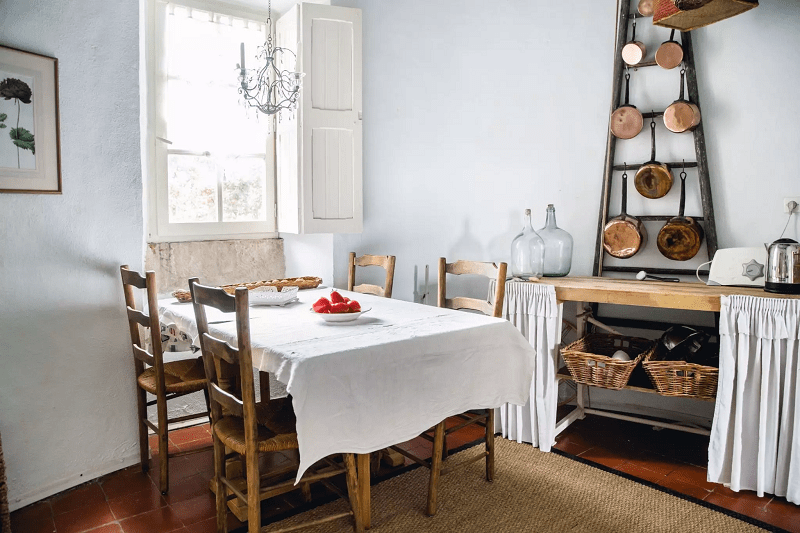
Mediterranean design is inspired by the sun, the sea, and the land of Southern Europe, Northern Africa, and the Levant. It is defined by warmth, rich textures, and a seamless flow between indoor and outdoor spaces. This style moves away from the “minimalist box” and embraces architectural character—think plastered walls, terracotta tiles, and heavy, artisan-made wood furniture. It is for the reader who wants their home to feel soulful, grounded, and timeless.
Why It Works
Mediterranean style is incredibly ‘honest.’ It relies on the beauty of raw materials—clay, stone, wood, and iron. What I love about it is how it uses texture as its primary decoration. You don’t need a lot of ‘stuff’ to make this look work because the walls and the floors themselves do the heavy lifting. If you want a home that feels like a retreat from the digital world, this is the most grounding aesthetic you can choose.
The Mediterranean Design Checklist
Use these principles to bring ‘European Villa’ charm into any home:
- The Plastered Aesthetic: If you can’t have authentic stone walls, use lime wash paint or textured plaster finishes. This creates a “soft,” slightly uneven look that catches the light and adds depth to a room.
- Earth-First Palette: The color scheme is derived from the landscape: warm terracottas, golden ochres, soft olives, deep sea blues, and crisp, sun-drenched whites.
- Natural Stone & Tile: Incorporate stone flooring, terracotta tiles, or hand-painted ceramic accents. These materials are cool, tactile, and inherently tied to the climate of the Mediterranean.
- Heavy, Artisan Furniture: Unlike the “light and airy” coastal look, Mediterranean furniture is often substantial. Think dark, solid wood tables, wrought iron bed frames, and deep, comfortable seating designed for long afternoons.
Your Next Step: The “Mediterranean Warmth” Formula
If your room feels too “urban,” “sterile,” or “cold,” use these three steps to invite that European warmth:
- The Texture Update: Swap one “smooth” accent (like a metal or plastic item) for a raw, artisan piece—like a large terracotta vase or a hand-carved wooden bowl.
- The Wall Transformation: You don’t need to do a full renovation. Use a lime-wash paint on one accent wall. The subtle, cloud-like texture will instantly change the room’s energy.
- The Softness Layer: Introduce textiles with rich, “lived-in” textures like heavy cotton or linen in earthy tones (ochre or terracotta) to anchor the furniture.
17. Gothic
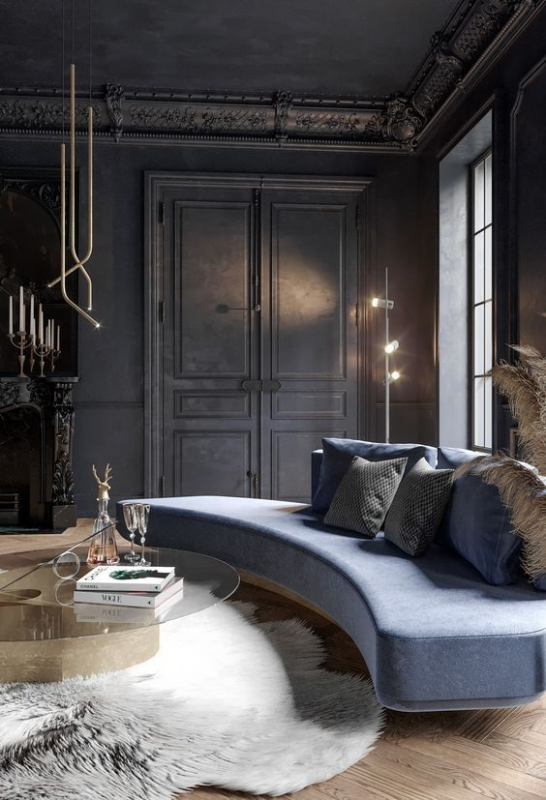
Gothic design is the ultimate statement of drama, history, and craftsmanship. It’s defined by tall, vertical lines, intricate ornamentation, and a deep, moody color palette. Far from being “spooky,” a well-executed Gothic room is warm, candle-lit, and incredibly sophisticated—perfect for a reader who wants their home to be a private, artistic escape from the bright, sterile trends of modern living.
Why It Works
Gothic design is the best way to add ‘soul’ to a room. It thrives on the beauty of the shadow. While everyone else is trying to make their home as bright as possible, a Gothic-inspired room uses rich, dark layers to create an intimate, ‘hygge-adjacent’ feeling that’s perfect for reading, dining, or relaxing. It’s not about being macabre; it’s about embracing the beauty of the dramatic.
The Gothic Design Checklist
Use these principles to bring ‘Dark Academia’ sophistication into your home:
- The Vertical Accent: Gothic design is all about drawing the eye upward. Use tall mirrors, floor-to-ceiling curtains, or vertical molding to mimic the classic arched architecture of the style.
- The “Moody” Palette: Replace stark white walls with deep, saturated tones. Charcoal, espresso, plum, or forest green are your foundation. The secret to making dark walls work is texture—velvet pillows, wool rugs, and linen drapes all absorb light and prevent the space from feeling flat.
- Intricate Details: This style thrives on ornamentation. Look for hardware with decorative details (like ornate brass or iron), antique-style picture frames, and fixtures that look like they belong in a historic estate.
- Atmospheric Lighting: Forget “general overhead” lighting. Gothic style is all about pools of light—use wall sconces, candelabra-style chandeliers, and low table lamps to create a warm, intimate glow.
Your Next Step: The “Gothic Glow” Formula
If your room feels a bit “basic” and you want to inject some dramatic sophistication, use these three steps:
- The Lighting Edit: Swap your modern, exposed-bulb fixtures for something with an aged brass or matte black frame and multiple “arms” to mimic a candelabra effect.
- The Textile Layer: Add one “heavy” textile—like a velvet throw or a deep, textured rug—in a dark, rich color (plum or emerald). It instantly adds depth and a “collector” feel.
- The Vertical Drama: Hang a large, arched mirror (or a mirror with a heavy, ornate frame) in a focal point. It adds that classic Gothic architecture vibe without needing to build any walls.
18. Victorian
19. Transitional
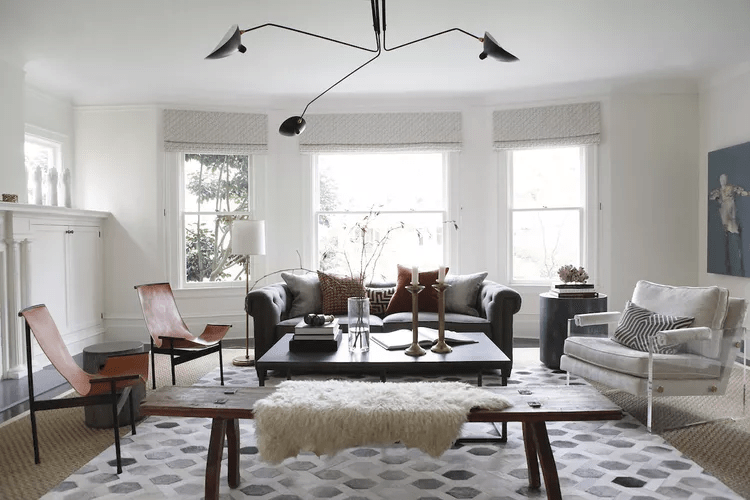
Transitional interior design style blends traditional and contemporary styles to create a timeless, sophisticated look. This style often incorporates neutral colors, simple lines, and a mix of textures and patterns. Transitional design is all about balance, and it can be a great choice for those who want a classic look with a modern twist.
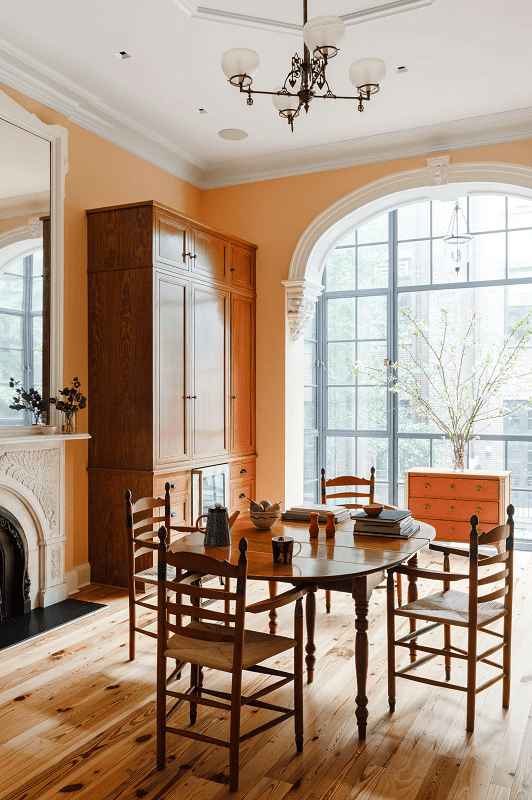
Victorian design isn’t just about lace doilies and stiff parlor rooms. It’s about creating a home that feels like a well-traveled, layered sanctuary. It values architectural detail, rich textiles, and an “abundant” approach to decor. It is for the reader who wants their home to feel like a living library—somewhere that feels warm, personal, and permanently “finished.”
Why It Works
Victorian design is the antithesis of the ‘disposable’ furniture culture. It’s about quality and longevity. The secret to making Victorian work today is mixing—taking an ornate, button-tufted velvet chair and pairing it with a clean-lined modern side table. It’s the contrast between the old-world craft and the modern silhouette that makes it feel fresh, rather than dated.
The Victorian Design Checklist
Use these principles to bring ‘Old-World Charm’ into your modern space:
- Textile Depth: Victorian design is all about layers. Use velvet, brocade, lace, and wool. Don’t just settle for a leather chair; add a velvet throw and a patterned wool rug to the mix.
- The “Collected” Wall: Victorian rooms are never bare. Use picture rails to create gallery walls, or incorporate rich, patterned wallpapers (florals, damask, or William Morris-inspired prints) to add visual texture to the space.
- Ornate Silhouettes: Look for furniture with “character”—tufted backs, rolled arms, or wood frames with subtle carvings.
- The “Warm Glow” Lighting: Victorian rooms rely on multiple light sources. Use floor lamps with fringed shades, table lamps with stained glass, and brass wall sconces to create a soft, inviting atmosphere.
Your Next Step: The “Victorian Layering” Formula
If your room feels too “thin” or “impersonal,” use these three steps to inject that Victorian richness:
- The Texture Layer: Add one piece of velvet (like a pillow or an ottoman) to your existing seating area. The way velvet catches the light instantly elevates the “luxury” factor.
- The “Art” Expansion: Instead of one small piece of art on a large wall, create a collection. Group smaller, framed items together to fill the space—this “abundant” look is a hallmark of Victorian styling.
- The Heritage Swap: Replace one generic, mass-produced item with a “vintage-inspired” piece—like a brass lamp or a decorative wood-framed mirror. It adds that necessary “history” and “heft” that modern rooms often lack.
Best characteristics of Transitional Design:
- Mixture of classic and contemporary: Transitional design blends traditional and modern design elements, creating a balance between the two. This style often features clean lines and simple shapes, but also incorporates classic details like moldings, arches, and decorative elements.
- Neutral color palette: Transitional design favors a neutral color scheme, often incorporating shades of beige, gray, and white, which provide a sense of calm and serenity. However, pops of color can also be added to add interest and depth to the space.
- Textures and patterns: Texture and pattern are used to add interest and depth to a transitional space. Soft textures, such as velvet and chenille, are often used in upholstery, while patterns like stripes, plaids, and florals can be found in textiles like curtains and throw pillows.
20. Eclectic
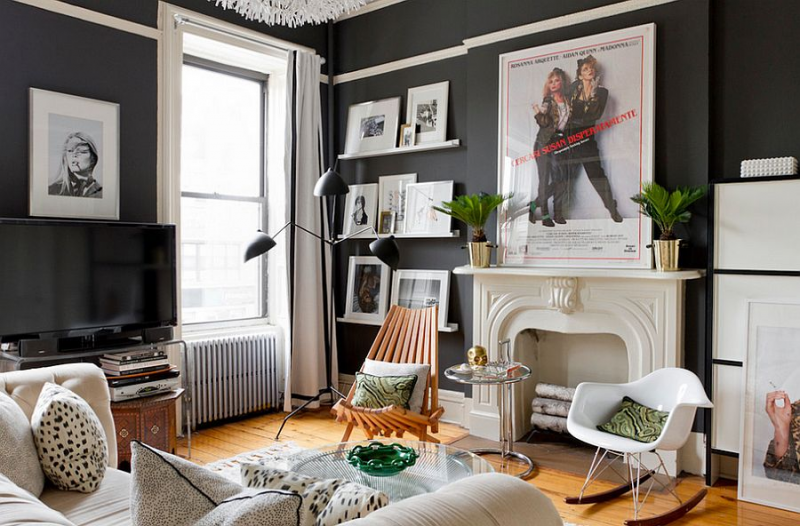
Eclectic design is the design language of the world traveler and the storyteller. It is defined by the intentional mixing of styles—pairing an antique mahogany desk with a mid-century modern chair and a contemporary abstract painting. It is for the reader who finds “matching sets” boring and wants their home to be a vibrant, evolving reflection of their life and experiences.
Why It Works
Eclectic design is the hardest style to get right because it looks easy, but it’s actually the most disciplined. The secret to a successful eclectic room is the ‘common thread’—you need one thing that ties the chaos together, whether it’s a shared color palette, a consistent scale, or a recurring texture. If you want a home that feels like a museum of your own life rather than a showroom, Eclectic is the way to go.
The Eclectic Design Checklist
Use these principles to build a space that feels ‘Harmonious’ rather than ‘Cluttered’:
- The Common Thread: Don’t just mix styles; tether them. If your furniture is from different eras, make sure they all share a similar finish (like warm wood) or that your rug/pillows repeat a specific accent color.
- Scale & Proportion: In an eclectic room, objects fight for attention. Use different sizes to keep the eye moving—pair a massive piece of art with a small, delicate lamp; mix a bulky velvet sofa with slender, spindly side tables.
- The “Blank Space” Balance: Because Eclectic design uses so many shapes and patterns, you need blank space to let the room breathe. Use neutral walls or simple, clean-lined storage to provide a visual “rest stop” for the eyes.
- Global Narratives: Integrate items that tell a story. Whether it’s a hand-woven textile from a trip abroad or a vintage piece found at a local flea market, these “personal hero” items are what give Eclectic design its soul.
Your Next Step: The “Eclectic Harmony” Formula
If your room feels messy and you want to dial in that “designer” look, use these three steps to bring the pieces into balance:
- The Color Anchor: Identify your room’s dominant color. Make sure at least three items in the room share this exact hue—it creates an instant, subtle connection between unrelated objects.
- The “Hero” Rotation: Identify your favorite “Eclectic” item (the one with the most personality). Give it the best spot in the room and clear the clutter around it so it can act as the focal point.
- The Texture Rule: If your room feels boring, mix your textures. If you have a leather chair, add a wool throw and a linen pillow. Mixing these three materials creates an instant “designer” effect.
21. Retro
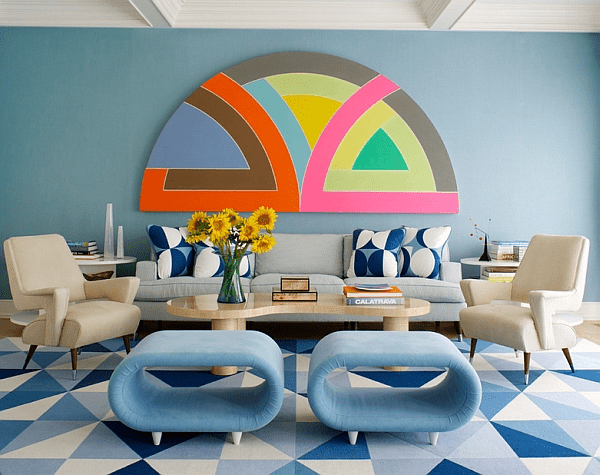
Retro design is defined by bold color, tactile materials, and a sense of “don’t-take-me-too-seriously” fun. It is the design equivalent of a vinyl record—it has texture, warmth, and a personality that digital minimalism just can’t replicate. It is for the reader who wants their home to be an energizing, cheerful environment that sparks conversation and joy.
Why It Works
Retro is the antidote to the ‘greige’ trend. We’ve spent so many years in neutral, minimalist homes that people are now craving a bit of soul and color. The key to making Retro work in 2026 is selectivity. You don’t need a harvest-gold kitchen; you just need one piece of ‘hero’ furniture or a well-placed lighting fixture to give the whole room that nostalgic, funky edge.
The Retro Design Checklist
Use these principles to bring ‘Groovy’ charm into any contemporary space:
- Curvaceous Silhouettes: Retro loves a curve. Look for rounded armchairs, kidney-bean-shaped coffee tables, and tulip-style pedestal tables. These soft shapes are what make the style feel welcoming rather than rigid.
- The “Mood” Palette: Embrace the classic retro spectrum—mustard yellow, burnt orange, avocado green, and deep chocolate brown. Pair these against a neutral base to keep the room from feeling like a time machine.
- Tactile Contrasts: Retro style relies on texture. Incorporate high-pile shag rugs, velvety upholstery, chrome lighting fixtures, and molded plastic decor. The clash between these materials is what gives the room its “Retro” depth.
- Graphic Patterns: Use patterns sparingly but boldly. Think oversized geometric prints, retro florals, or checkerboard motifs on pillows, rugs, or a single feature wall.
Your Next Step: The “Retro Infusion” Formula
If your room feels too “corporate” or “safe” and you want to dial up the personality, use these three steps:
- The Lighting Swap: Replace one standard pendant or lamp with a piece that features a chrome finish, a spherical shape, or a “pop” of color. Lighting is the easiest way to signal a “Retro” era.
- The Textile Pop: Add one high-texture item, like a small, bold-colored faux-shag rug or a velvet cushion in a classic “Retro” color like mustard or burnt orange.
The Shape Shift: Bring in one piece with a rounded or sculptural silhouette—like a round stool or an organic-shaped side table—to break up the boxy lines of modern furniture.
22. Rustic Chic
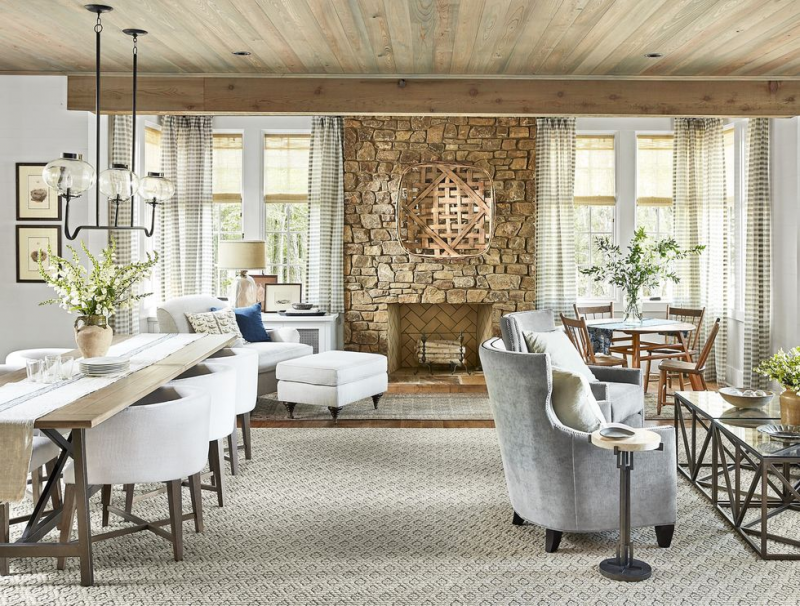
Rustic Chic is about celebrating the beauty of the natural world without the clutter of a literal “cabin in the woods.” It blends sturdy, natural materials like reclaimed wood, stone, and raw iron with sophisticated, clean-lined furnishings and soft, high-quality textiles. It’s for the reader who wants their home to feel warm, durable, and effortlessly welcoming—a space that prioritizes comfort and authenticity.
Why It Works
Rustic Chic is the most ‘livable’ style because it isn’t precious. The beauty of this aesthetic is that it relies on patina—the character that comes with use. When you pair a rugged, reclaimed wood dining table with sleek, modern velvet chairs, you get that ‘designer’ tension that makes a room look expensive. It’s the perfect style for families or anyone who wants a home that feels like a cozy, sophisticated retreat.
The Rustic Chic Design Checklist
Use these principles to bring ‘Modern Homestead’ warmth into any space:
- Raw Material Anchor: Every room needs at least one piece of furniture that feels “of the earth.” A large-scale wood coffee table, a natural stone side table, or a heavy wool rug provides that crucial sense of grounding.
- The “Clean & Cozy” Balance: Keep your main furniture silhouettes simple and contemporary (clean lines), then layer the “rustic” personality on top with lighting, rugs, and decor.
- Warm, Organic Textures: Avoid synthetic materials. Use materials that feel good to touch: nubby linen, chunky knit wool, weathered leather, and aged metal.
- Nature-Inspired Palette: Stick to the landscape. Use warm whites, creams, charcoal, deep browns, and olive green. Keep the palette tight to ensure the room feels like a refined home rather than a rustic barn.
Your Next Step: The “Homestead Edit” Formula
If your room feels too “corporate” or “sterile” and you want to inject some Rustic Chic personality, use these three steps:
- The Texture Reset: Swap one “smooth” textile (like a slick polyester pillow) for a nubby linen or thick wool alternative. That texture shift is the foundation of Rustic Chic.
- The Wood Anchor: Introduce a piece with a raw, natural grain. If you don’t want to buy new furniture, look for a large wooden bowl, a live-edge wooden serving board, or even a simple wooden stool.
The Light Upgrade: Replace your standard overhead light with a fixture that features organic elements—like a wood-bead chandelier, a lantern with an iron frame, or a lamp with a raw ceramic base.
23. Zen
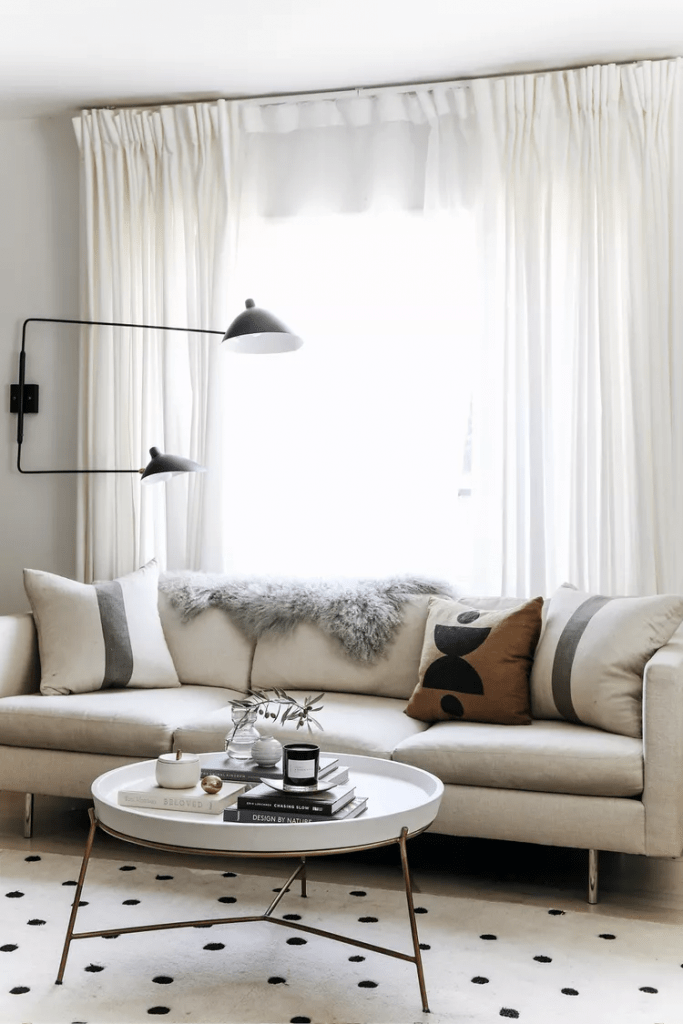
Zen design is the ultimate antidote to the “hustle culture” of 2026. It draws heavily from Buddhist principles of simplicity, mindfulness, and connection to nature. It is defined by low-to-the-ground furniture, floor-based living, and a strict adherence to balance. It is for the reader who wants their home to be a sanctuary that physically forces them to slow down and breathe.
Why It Works
Zen design is the most transformative style I work with because it changes the way you move through a room. When you sit on the floor or keep surfaces completely clear, you are physically training your brain to be present. It’s not about buying specific furniture; it’s about removing everything that prevents you from finding stillness. It’s the ultimate form of ‘editing’ your life.
The Zen Design Checklist
Use these principles to bring ‘Meditative Balance’ into your living space:
- Floor-Level Living: Zen design prioritizes the “low view.” Use low-profile sofas, floor cushions, or platform beds. This opens up the visual space and creates a sense of groundedness.
- Symmetry & Balance: Zen relies on natural symmetry to create a feeling of order. Pair lamps, side tables, or plants in balanced groupings to provide the brain with a sense of stability.
- Natural Elements: The style is incomplete without nature. Bring in items that represent the elements: a stone water feature, a single bamboo shoot, raw wood, or rice paper shades.
- The “Soft-Light” Mandate: Avoid anything harsh. All light should be diffused, soft, and indirect—mimicking the gentle quality of light filtered through traditional Japanese paper screens.
Your Next Step: The “Sanctuary Reset” Formula
If your room feels chaotic and you need to reclaim your peace, use these three steps to reset your space:
- The Clear-Surface Audit: Remove every single item from your tables and counters. Only put back the one item that serves a daily, functional purpose (like a single tea cup or a book you are reading). Everything else must go.
- The Grounding Shift: If you have high-leg furniture, try removing the legs (if possible) or swapping to floor-based seating like oversized poufs or meditation cushions in one corner. This instantly alters your perspective of the room.
- The Sensory Hook: Add one “soft” natural element—a bowl of river stones, a small bamboo plant, or a light-diffusing rice paper lamp—to create that essential “Zen” atmosphere.
24. Pop Art
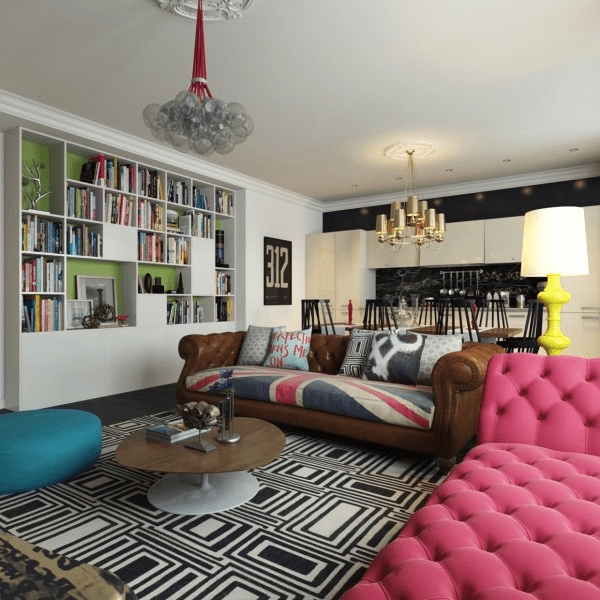
Pop Art design takes its cues from 1950s/60s mass culture, comic books, and advertising. It is defined by primary colors, high-contrast imagery, and objects that feel like fine art rather than furniture. It is for the reader who is bored by the “safe” beige interior and wants their home to be a vibrant, expressive, and playful reflection of their personality.
Why It Works
Pop Art is the ultimate ‘energy boost’ for a home. The key to making it work in 2026 is treating the room like a gallery. Don’t crowd the space with too many loud items—choose one or two ‘statement’ pieces, like a bright red sofa or a massive, graphic mural, and let everything else act as a neutral background. It’s about balance; the room should feel like a piece of art you live in, not a toy store.
The Pop Art Design Checklist
Use these principles to bring ‘Graphic Energy’ into your space:
- The Primary Palette: Stick to the core: Electric Blue, Canary Yellow, and True Red. These colors are the foundation of the movement and work best when paired with stark white or black to keep the look clean and sharp.
- Iconic Silhouettes: Look for furniture that feels like a sculptural icon—think molded plastic chairs (Eames style), retro-shaped sofas, or geometric storage units.
- Graphic Wall Art: This is the heart of the style. Use large-scale prints, comic-style typography, or oversized, bold photography. The goal is to make the walls “talk.”
- Glossy & Synthetic Materials: Pop Art loves modern, man-made finishes. Incorporate acrylic, chrome, vinyl, and high-gloss plastics to create that smooth, polished “advertisement” aesthetic.
Your Next Step: The “Playful Punch” Formula
If your room feels too “serious” or “dull,” use these three steps to inject that Pop Art vitality:
- The Statement Piece: Choose one area (like a reading nook or dining space) and swap in one “hero” item with a bright, primary color. It should feel intentional and slightly provocative.
- The “Art Gallery” Lighting: Replace a standard lamp with something “offbeat”—perhaps a neon sign, a colorful globe light, or a lamp with a funky, graphic base.
- The Pattern Clash: If you’re feeling brave, introduce one throw pillow or rug with a bold, retro-graphic pattern (like a comic-book dot pattern or a stark geometric shape). Keep the rest of the textiles neutral so the pattern acts as the “loud” voice in the room.
25. Southwestern
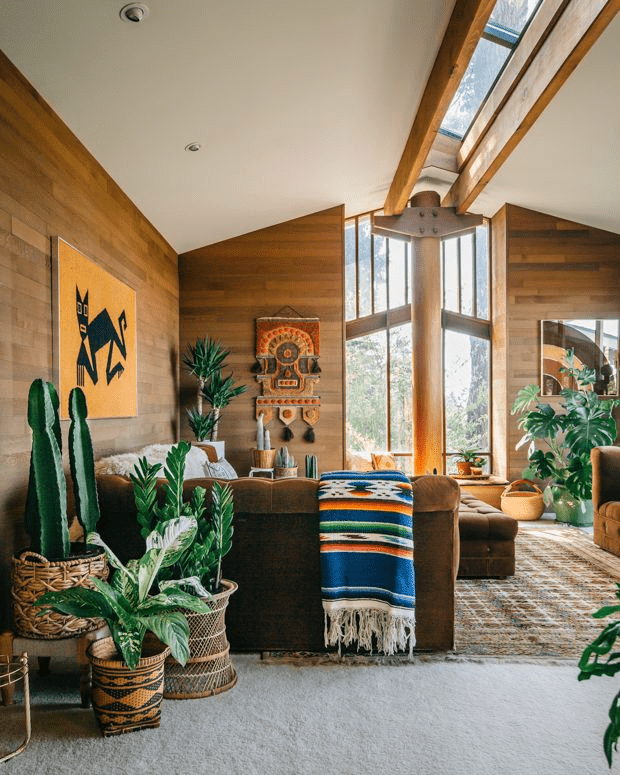
Southwestern design is all about warmth, ruggedness, and a deep respect for natural materials. It draws from Indigenous artistry, Spanish colonial architecture, and the raw beauty of the desert. It is defined by sun-baked colors, heavy textiles, and artisan-made objects. It is for the reader who wants their home to feel like a place of retreat—a space that is grounded, comfortable, and rich with cultural story.
Why It Works
Southwestern design is the ultimate masterclass in texture. Because the palette is inherently muted—think sand, clay, and terracotta—you have to use heavy, tactile materials to make a room interesting. When you layer a hand-woven rug with worn leather furniture and a heavy ceramic piece, the room feels ‘complete’ in a way that modern minimalism just can’t match. It’s an incredibly cozy, family-friendly style that welcomes wear and tear.
The Southwestern Design Checklist
Use these principles to bring the ‘High Desert’ aesthetic into your home:
- The Palette of the Canyon: Anchor your room in earth tones. Use ochre, rust, sage green, and warm clay as your primary colors, all balanced against a clean, “limewash” white or cream backdrop.
- Woven & Knotted Textiles: Textiles are the “hero” of this style. Incorporate rugs with geometric Southwestern motifs, heavy linen throws, and decorative wall hangings. These items bring immediate warmth and heritage to any room.
- Raw & Weathered Finishes: Prioritize materials that look like they’ve spent time in the sun. Think reclaimed wood, forged iron, distressed leather, and matte-finished pottery.
- Sculptural Nature: Bring the desert inside. Use large, sculptural plants like cacti or succulents, and pair them with artisan-made planters that have a raw, clay finish.
Your Next Step: The “Desert Sanctuary” Formula
If your room feels too “stiff,” “cool,” or “impersonal” and you want to inject some Southwestern soul, use these three steps:
- The Texture Layer: Replace one standard “smooth” pillow or throw with something woven, knotted, or textured (like a wool throw with a geometric pattern). That tactile shift is the signature of the style.
- The “Earth” Anchor: Introduce one piece of artisan-made pottery. A large, matte-finish ceramic vessel or a piece of terra-cotta decor on a side table will instantly anchor the room in the “Southwestern” vibe.
- The Leather Intervention: If your furniture feels boring, add a single piece of leather—a brown leather ottoman, a leather-strap shelf, or even just leather-accented cushion covers. The warmth of the leather is key to that “Desert” feel.
26. Art Nouveau
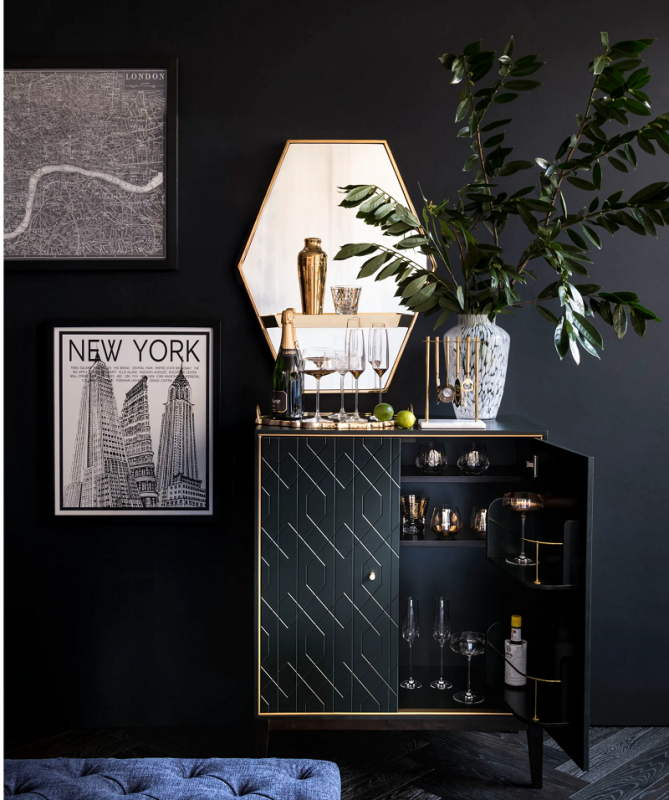
Art Nouveau is characterized by its dedication to the whiplash curve—a style inspired by the stems, flowers, and vines of the natural world. It is the antithesis of the boxy, modern interior. It is for the reader who wants their home to feel like a living, breathing work of art—a space where every architectural detail, lighting fixture, and furniture piece flows seamlessly into the next.
Why It Works
Art Nouveau is the ‘poet’ of interior design. In a world full of hard edges and smart-home gadgets, Art Nouveau reminds us of the beauty of human craftsmanship. The secret to making it work in a 2026 home is to focus on lighting and curated curves. You don’t need an entire Victorian mansion to pull this off; you just need a few ‘hero’ pieces that honor the flow of nature.
The Art Nouveau Design Checklist
Use these principles to bring ‘Nature-Inspired Artistry’ into your living space:
- The Whiplash Curve: Look for furniture and decor that avoids straight lines. Think chair backs that mimic the curve of a lily, tables with fluid, organic legs, and mirrors with asymmetric, flowing frames.
- Floral & Botanical Motifs: Use wallpaper, fabrics, or art that features stylized, sweeping depictions of flowers, vines, and insects. It shouldn’t look “realistic”—it should look like an elegant, artistic interpretation.
- Stained Glass & Iridescence: Art Nouveau loves light. Incorporate stained glass (lamp shades, window inserts) or materials with an iridescent finish to capture that signature “dreamy” quality.
- The “Total Environment” Palette: Keep the color scheme soft, muted, and earthy. Sage greens, dusty roses, soft lavenders, and warm golds create that ethereal, organic aesthetic.
Your Next Step: The “Fluidity” Formula
If your room feels too “square,” “hard,” or “industrial” and you want to inject some Art Nouveau grace, use these three steps:
- The Lighting Statement: Swap a standard lamp for a fixture with a stained-glass or “floral-inspired” shade. It is the single fastest way to change the “personality” of a room toward Art Nouveau.
- The Silhouette Swap: Introduce one piece with a “whiplash” curve—a curved-back side chair, an arched floor mirror, or a console table with fluid, organic legs.
- The Botanical Motif: Add one art piece or textile (like a decorative pillow or framed print) that features that stylized, flowing, floral Art Nouveau aesthetic. It anchors the “nature” theme immediately.
27. Colonial
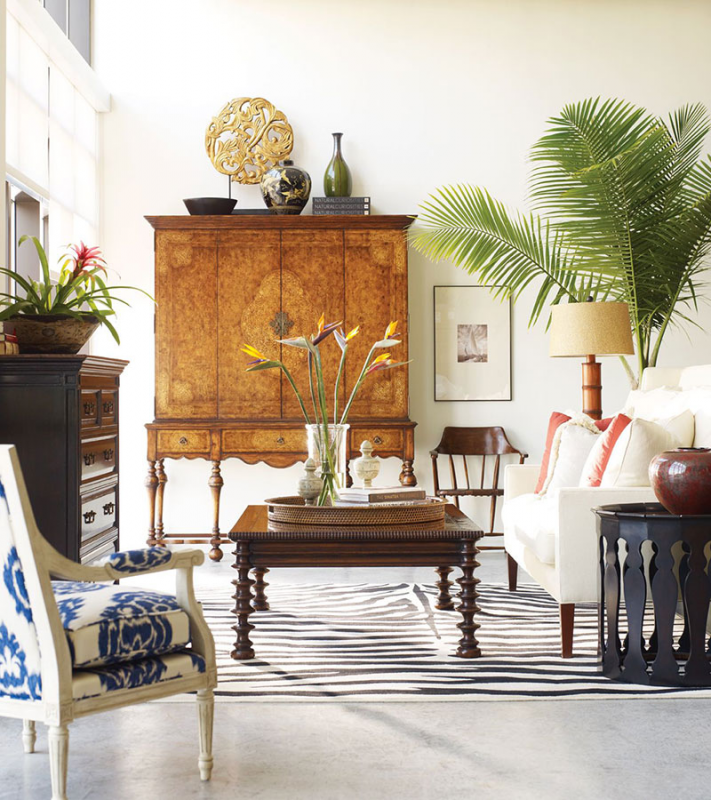
Colonial design is defined by its deep roots in American and European history. It is a style that values order, proportion, and craftsmanship. It is not about feeling “stuffy”; it is about creating a space that feels grounded, established, and calm. It is for the reader who wants their home to feel “proper”—a space where everything has its place and where the design feels like it will look just as good in 50 years as it does today.
Why It Works
Colonial is the masterclass in symmetry. Most people struggle with design because they don’t know how to balance a room. Colonial style solves this instantly by forcing you to think in pairs—two lamps, two chairs, two mirrors. It creates an environment that is naturally restful for the brain because it eliminates visual clutter and replaces it with structured harmony. It is the ultimate style for anyone craving an orderly, peaceful home.
The Colonial Design Checklist
Use these principles to bring ‘Classical Order’ into your living space:
- The Symmetry Mandate: Everything should be balanced. If you have a fireplace, place identical decor on both ends of the mantel. If you have a sofa, anchor it with two identical end tables and lamps.
- Refined Wood Tones: Prioritize rich, dark woods like cherry, mahogany, or walnut. These finishes feel established and high-quality, standing in stark contrast to the light/raw woods of modern trends.
- Architectural Details: Colonial style is all about the “bones” of a room. Use crown molding, wainscoting, or built-in bookshelves to add that necessary structural character.
- Classic Palette: The colors should feel historic and deep. Think navy blue, hunter green, burgundy, and warm creamy whites. These colors are inherently “serious” and sophisticated.
Your Next Step: The “Symmetrical Reset” Formula
If your room feels messy, “haphazard,” or “cheap,” use these three steps to inject that Colonial-inspired order:
- The Pairing Rule: Look at your living room. Identify one area (like a console table or mantel) and ensure every item there is mirrored by its counterpart. If you have a vase on one side, put a similar-sized item on the other.
- The “Formal” Textile Swap: Replace one “slouchy” or “casual” item (like a beanbag chair or a frayed throw) with something structured—a tailored armchair, a stiff-backed wooden dining chair, or a crisp, solid-colored wool throw.
- The Lighting Edit: Swap one mismatched light for a pair of matching table lamps with a brass or glass base. The visual “anchor” created by the pair will immediately elevate the room’s professionalism.
28. Mission
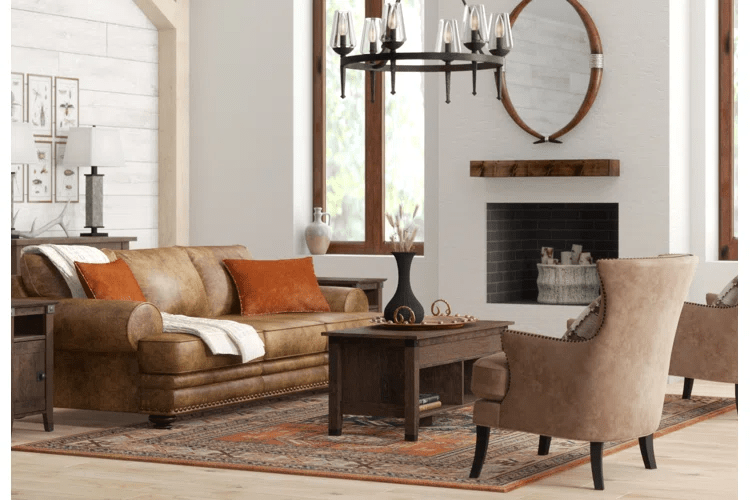
Mission design—often linked to the American Arts and Crafts movement—is defined by its rejection of excess. It is characterized by straight lines, sturdy oak wood, and visible joinery (like mortise-and-tenon joints). It’s not about being “heavy”; it is about being substantial. It is for the reader who values furniture that will literally last a hundred years and who wants their home to feel solid, grounded, and rich with historical meaning.
Why It Works
Mission style is the design equivalent of a firm handshake. It’s reliable, it’s strong, and it doesn’t apologize for being sturdy. The key to making it work in a modern 2026 home is to pair that heavy, dark wood with light, airy walls and simple, modern textiles. You want the furniture to be the ‘anchor,’ not the entire room. If you’re looking for a style that feels ‘permanent’ in a world of fast-fashion interiors, Mission is the best choice you can make.
The Mission Design Checklist
Use these principles to bring ‘Artisan-Grade’ strength into your space:
- Exposed Joinery: This is the hallmark of the style. Look for pieces where you can see the construction—the pegs, the joints, and the solid bolts. It’s about celebrating how the furniture was built.
- Quarter-Sawn Oak: Mission style thrives on the dramatic grain of quarter-sawn white oak. It’s a dense, beautiful wood that feels inherently “expensive” and “historic.”
- Horizontal & Vertical Lines: Unlike the curved styles we’ve discussed, Mission is aggressively geometric. It uses straight slats (often found in the backs of chairs or the sides of tables) to create a clean, rhythmic visual pattern.
- Leather & Canvas: Because the wood is so heavy, the upholstery must be equally durable. Use deep, cognac-colored leather or heavy-duty, natural-weave canvas cushions to maintain that “high-utility” feel.
Your Next Step: The “Substantial Edit” Formula
If your room feels too “flimsy,” “disposable,” or “temporary” and you want to inject some Mission strength, use these three steps:
- The Construction Test: Look at your current coffee table or chair. Does it look like it was glued together by a machine? Consider replacing it with one “Hero” piece—like a heavy-set, solid-wood side table—that features visible joinery.
- The “Slat” Introduction: Introduce a piece with the classic Mission “slat” design—a bookshelf or a simple chair back. That repeating vertical pattern is the easiest way to signal the style.
- The Heritage Palette: Move away from “fast” colors (like neon or trendy pastels). Switch your textiles to deep, earthy tones—think olive, rust, or indigo—to match the weight and gravitas of the Mission wood.
29. Traditional
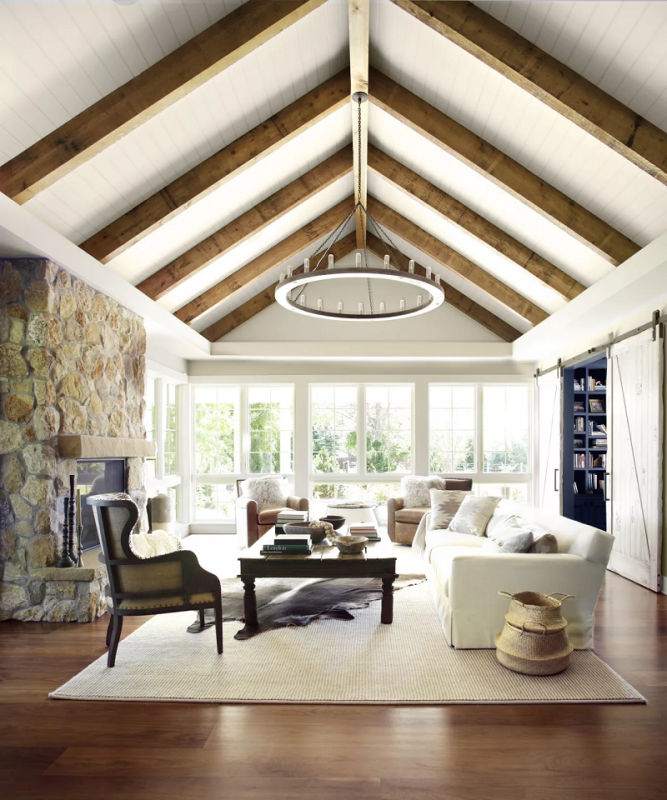
Traditional design is rooted in 18th and 19th-century European sensibilities. It is defined by order, balance, and a sense of history. It isn’t about being “dated”; it’s about choosing furniture with graceful silhouettes, rich fabrics, and a layout that prioritizes ease of conversation. It is for the reader who wants their home to be a welcoming, comfortable, and sophisticated backdrop for a life well-lived.
Why It Works
Traditional design is the ‘safety net’ of interior design. Why? Because it’s based on human proportion. The chairs are shaped to support your back; the tables are at the right height for a drink; the color palettes are restful to the eye. It works because it puts function and comfort above ‘shock value.’ If you want a home where you never have to worry if it’s ‘in style,’ Traditional is your foundation.
The Traditional Design Checklist
Use these principles to bring ‘Timeless Comfort’ into your living space:
- Symmetry & Balance: This is the heart of the style. Think in pairs: twin lamps on a console, twin armchairs facing a fireplace. Symmetry creates a sense of calm that makes a room feel instantly “finished.”
- Curved & Graceful Silhouettes: Look for furniture with classic lines—rolled arms on sofas, cabriole legs on tables, and skirted upholstery. These shapes are softer and more inviting than the rigid, boxy shapes of modern minimalism.
- Warm, Deep Color Palettes: Traditional rooms thrive on rich, grounded colors. Think navy, forest green, deep burgundy, or warm creams and tans. These colors make a home feel settled and cozy.
- Textile Depth: Traditional decor relies on “soft” materials. Use tufted velvet, damask, silk, or classic wool. These materials add a layer of luxury and warmth that makes a room feel sophisticated.
Your Next Step: The “Classic Comfort” Formula
If your room feels “cold,” “disconnected,” or “unsettled” and you want to inject some Traditional warmth, use these three steps:
- The Symmetry Check: Look at your main seating area. Can you add a second, matching lamp or a pair of identical decorative objects to the space? Creating that “pair” immediately boosts the room’s traditional feel.
- The “Softening” Swap: Replace one “hard” or “sharp” piece of decor (like a glass-and-metal side table) with something “soft”—a wood table with a rounded edge or an upholstered ottoman.
- The Heritage Accessory: Add one item that feels “classic”—a brass candlestick, a framed botanical print, or a wool throw. These small, storied items anchor the space in tradition and immediately make it feel more “at home.”

30. Scandinavian
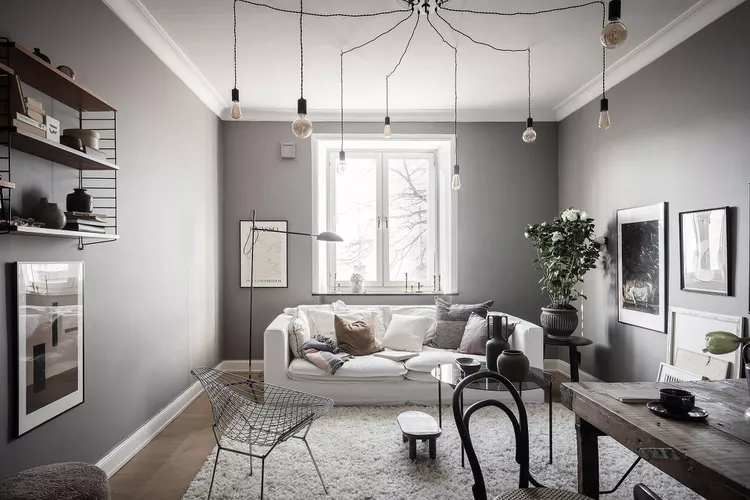
Scandinavian design is born out of the long, dark winters of Northern Europe, where creating a bright, welcoming interior is a survival skill, not just a preference. It is defined by its commitment to natural light, neutral color palettes, and a “less is more” philosophy that never feels empty. It is for the reader who wants their home to be an airy, peaceful, and highly functional retreat.
Why It Works
Scandinavian design is the absolute master of clarity. Most people think it’s just ‘white walls,’ but that’s a misconception—it’s actually about warmth. The secret to Scandinavian design is balancing the ‘cool’ of white walls with the ‘warmth’ of light-toned wood and plush, touchable textures like sheepskin or wool. It works because it forces you to keep only what you love, making your home feel lighter in both a visual and mental sense.
The Scandinavian Design Checklist
Use these principles to bring ‘Nordic Balance’ into your living space:
- The Light-Wood Foundation: Swap out dark, heavy stains for light woods like pine, ash, or light oak. These woods reflect light rather than absorbing it, helping to keep the room feeling bright and open.
- Neutral & Nature-Inspired Palette: Stick to a monochromatic base—whites, creams, and light greys—and then layer in “nature” colors. Think muted sage, soft sky blue, or dusty rose. Avoid bold, high-contrast primary colors.
- Functional Minimalism: Every piece of furniture must have a purpose. If it doesn’t serve a function (like a storage ottoman or a multi-purpose side table), it doesn’t belong. This creates the clean, uncluttered look that makes the style so restful.
- Textile-Driven Warmth (Hygge): Because the base of the room is minimalist, you need to “soften” the edges with textiles. Use sheepskin rugs, chunky wool blankets, and linen curtains. These elements add the necessary tactile comfort.
Your Next Step: The “Hygge-Flow” Formula
If your room feels “cluttered,” “stressed,” or “dark” and you want to inject some Scandinavian calm, use these three steps:
- The “Lightness” Audit: Identify the three darkest, heaviest items in your room. If you can’t remove them, cover them with a light-colored slipcover or swap them for a lighter-toned alternative.
- The Texture-Softening Layer: Add one “tactile” item—like a sheepskin rug draped over a chair or a heavy, chunky-knit throw on your sofa. This is the fastest way to turn a “sterile” room into a “Hygge” one.
- The Multi-Purpose Swap: Replace one piece of “decor-only” furniture with a piece that doubles as storage. Reducing visual clutter is the cornerstone of the Scandinavian aesthetic.
Most Popular Post:
31 Most Important Popular Interior Design Styles You Should Know About
How to Unite Multiple Rooms with a Cohesive Look: A Comprehensive Guide
10 Best Tips to Choose the Perfect Sofa: The Ultimate Guide
15 First Steps to Creating a Decorating Plan
21 Tips To Make Your Bedroom Elegant and Extra Cozy
Conclusion: Best Interior Design Styles
In conclusion, with so many different interior design styles to choose from, it can be overwhelming to decide which one is right for your home. By understanding the key characteristics of each style, you can narrow down your options and choose the one that best reflects your personality and lifestyle. Remember to mix and match different elements from various styles to create a unique and personalized space that truly feels like home.
I hope this article has given you a better understanding of the 35 most important interior design styles you should know about. Whether you prefer the sleek lines of modern design, the ornate details of Victorian style, or the rustic charm of farmhouse decor, there’s a style out there that’s perfect for you.
Best Interior Design Styles-FAQs:
Q. What is the difference between modern and contemporary design?
Modern design refers to a specific time period, typically the mid-20th century, while contemporary design is constantly evolving and reflects current trends and styles.
Q. What is the difference between minimalism and maximalism?
Minimalism is characterized by a focus on simplicity and functionality, while maximalism is characterized by bold colors, patterns, and textures, with an emphasis on decorative elements.
Q. What is the difference between traditional and transitional design?
Traditional design is characterized by classic and formal details, while transitional design blends traditional and contemporary styles to create a more relaxed and updated look.
Q. What is the difference between industrial and rustic design?
Industrial design features raw and utilitarian materials such as metal and concrete, while rustic design emphasizes natural and organic materials such as wood and stone.
Q: What is the difference between French country and English country design?
French country design emphasizes rustic elegance and natural materials, while English country design is characterized by cozy and comfortable spaces with a focus on classic patterns and textiles.
Q: What is the difference between Art Deco and Art Nouveau design?
Art Deco design features bold geometric shapes and luxurious materials, while Art Nouveau design emphasizes natural and organic shapes and motifs.
Q: What is the difference between Mediterranean and Tuscan design?
Mediterranean design features warm colors and textures inspired by coastal regions around the Mediterranean Sea, while Tuscan design emphasizes rustic elegance and features warm and earthy colors.
Q: What is the difference between Japandi and Scandinavian design?
Japandi design is a blend of Japanese and Scandinavian styles, characterized by simplicity, minimalism, and natural materials, while Scandinavian design emphasizes functionality and simplicity, with a focus on light colors and natural materials.
Q: What is the difference between Hollywood Regency and Art Deco design?
Hollywood Regency design is a glamorous and luxurious style inspired by the golden age of Hollywood, while Art Deco design emphasizes bold geometric shapes and luxurious materials.
Q: What is the difference between Eclectic and Bohemian design?
Eclectic design blends various styles and periods, while Bohemian design emphasizes a free-spirited and artistic vibe, with a focus on bright colors and patterns.
CATCH THE LATEST IN HOME DECOR TRENDS:
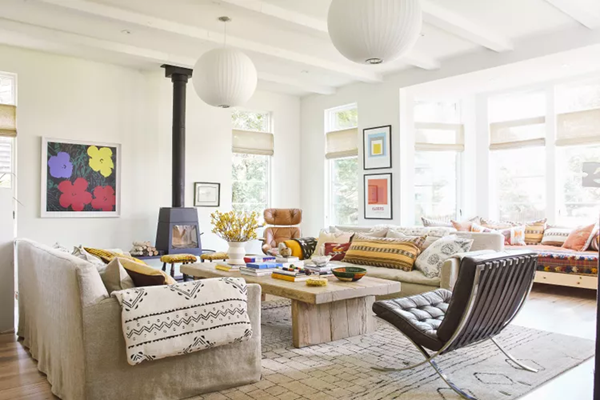
Steal These 16 Expert-Approved Decorating Secrets
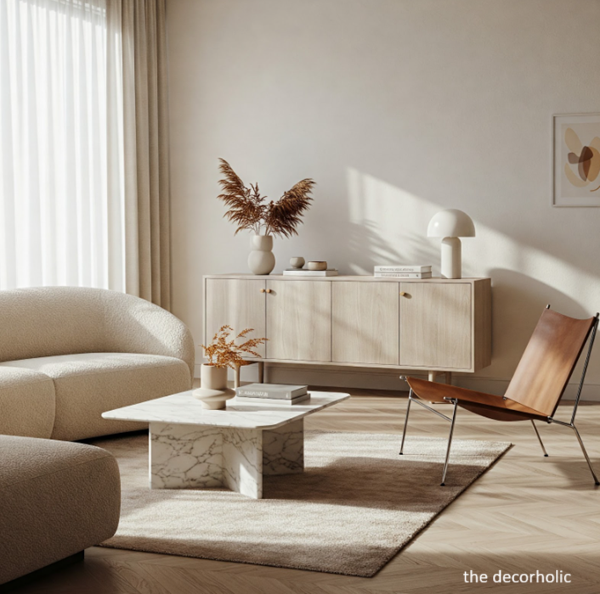
Accessorize a Small Living Room: 7 Genius Styling Secrets
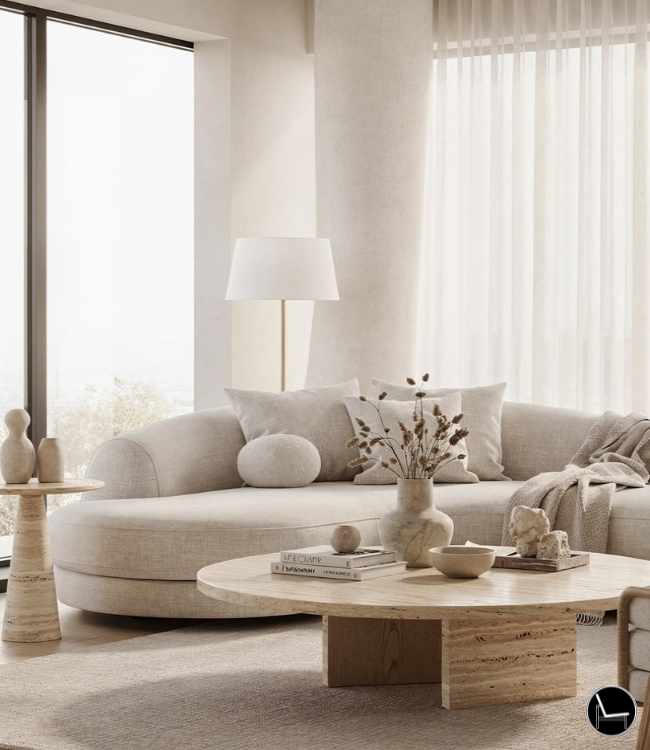
How to Make a Small Room Appear Bigger
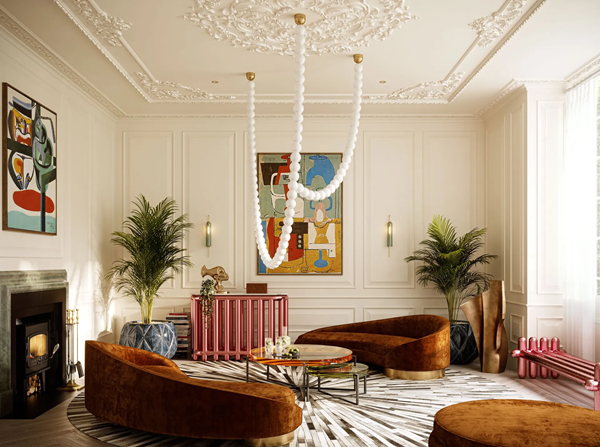
How to Make Your Home Look Expensive
GET CAUGHT UP ON ALL THE INSPIRING DECOR TIPS:
18 Fresh Decorating Ideas To Update Your Fireplace
How to Make a Gallery Wall: The Complete Step-by-Step Guide (Even If You’ve Never Hung a Picture)
