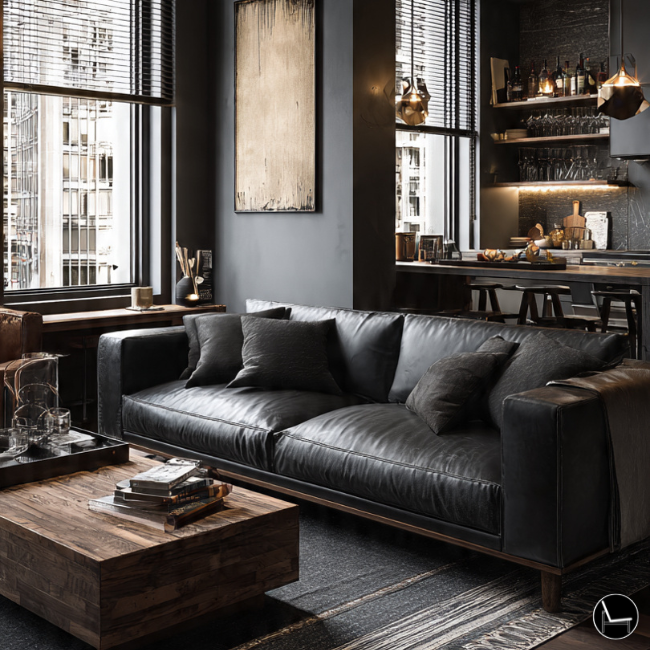
TL;DR: Masculine living room design centers on three principles: intentional restraint, material authenticity, and functional scale. Success requires a strong color anchor (charcoal, navy, earth tones), quality foundational furniture in natural materials, and layered lighting. Budget $3,000-$8,000 for complete transformation, prioritizing sofa and lighting while saving on accessories.
Masculine Living Room Ideas: The Complete Designer’s Guide
Masculine living rooms blend clean lines, rich textures, and intentional negative space. The core formula: 60% neutral foundation + 30% leather/wood/metal + 10% personal edge—whether that’s vintage maps, a single sculpture, or a record collection display.

I’ve designed over 40 bachelor pads in the past three years. The most successful spaces share one trait: restraint. More specifically, they follow what I call the “Seven Item Rule” per visual zone.
As legendary designer Albert Hadley noted, “The essence of interior design will always be about people and how they live.”ELLE Decor This is especially true for masculine spaces—they need to work as hard as they look good.
Let’s break down exactly how to build yours.
I. What Actually Makes a Living Room Masculine?
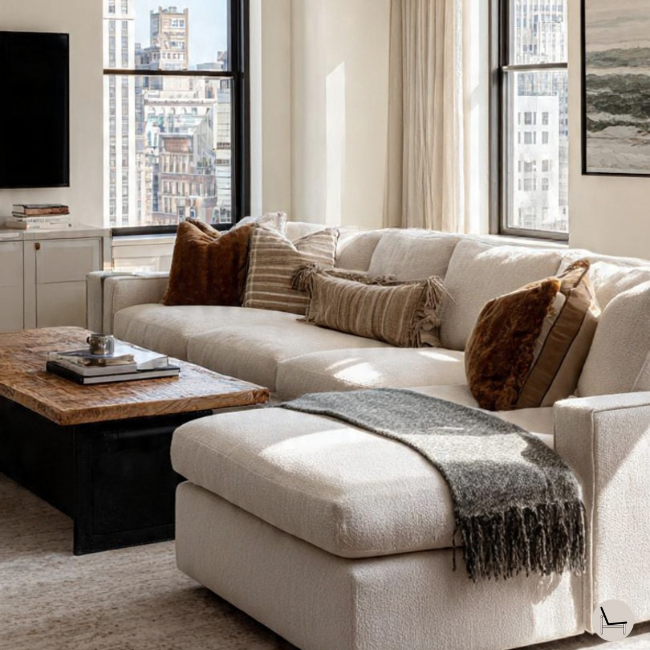
Masculine living room design uses intentional restraint, authentic materials, and substantial furniture scale—not just dark colors and leather. The goal is creating a confident, livable space that impresses without looking staged or trying too hard.
Your current living room probably feels like mismatched college furniture rather than a curated space. You deserve a room that reflects where you are now, not five years ago.
This guide shows exactly which elements create impact, what to invest in versus save on, and how to avoid bachelor pad clichés.
The Three Core Masculine Design Principles
Scale and proportion: Furniture sits lower and wider with visual weight instead of delicate frames.
Material honesty: Real wood, metal, and leather—never synthetic substitutes that photograph well but feel cheap in person.
Color discipline: Maximum 2-3 main colors with strategic accent moments, creating impact through contrast rather than variety.
💡 Pro Tip: The fastest way to make a space feel masculine is removing, not adding. Start by clearing 30% of current items—masculine design needs breathing room.
“Masculine spaces aren’t about aggression or coldness—they’re about confidence and clarity. You should be able to explain why every piece is there.” — Bobby Berk, interior designer (2023)
Check out this specific guide on: 10 Masculine Bar Cart Styling Tips You Must Follow
II. The 4 Masculine Living Room Styles (Choose Your Direction)
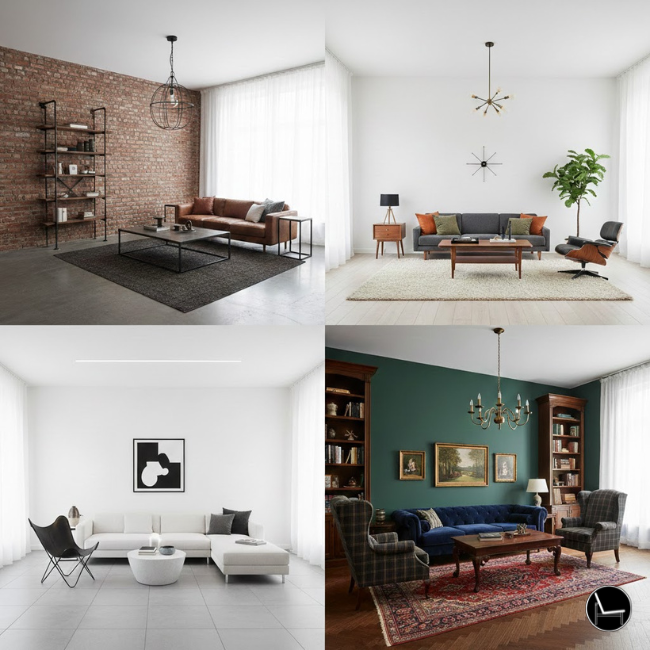
Not all masculine design looks identical—your personal aesthetic should guide material, color, and furniture choices. Most men default to industrial because it feels safe, but three other distinct approaches offer equally strong results.
Choose based on your lifestyle, existing architecture, and what makes you feel most at home.
A. Masculine Style Comparison Table
| Style | Color Palette | Key Materials | Best For | Price Point |
| Industrial | Charcoal, black, rust | Exposed metal, reclaimed wood, concrete | Loft spaces, urban apartments | $$$$ |
| Mid-Century Modern | Walnut, ochre, olive | Teak, leather, brass | Homeowners, vintage lovers | $$$$$ |
| Contemporary Minimalist | White, gray, black | Glass, steel, lacquer | Small spaces, renters | $$$ |
| Modern Traditional | Navy, forest, cognac | Oak, wool, patina brass | Classic homes, entertainers | $$$ |
B. How to Choose Your Style Direction
Go Industrial if: You live in a converted loft, appreciate raw textures, and want an architect-designed feel. Works best with exposed brick, high ceilings, or concrete floors.
Go Mid-Century Modern if: You appreciate craftsmanship, collect vintage pieces, and want timeless appeal that resists trends. Furniture from the 1960s still looks current today.
Go Contemporary Minimalist if: You value flexibility, move frequently, or live in smaller spaces. Offers easiest refresh and works within rental restrictions.
Go Modern Traditional if: You own your home, host frequently, and want richness without stuffiness. Bridges classic architecture with current sensibilities perfectly.
💡 Pro Tip: You can blend two adjacent styles (Industrial + Mid-Century or Contemporary + Traditional), but mixing three creates visual confusion. Pick your primary direction and maintain discipline.
You’ll also like this guide on: The 8 Best Murphy Beds of 2026: Space-Saving Solutions That Don’t Sacrifice Style
III. The Masculine Color Formula: Beyond Dark Gray
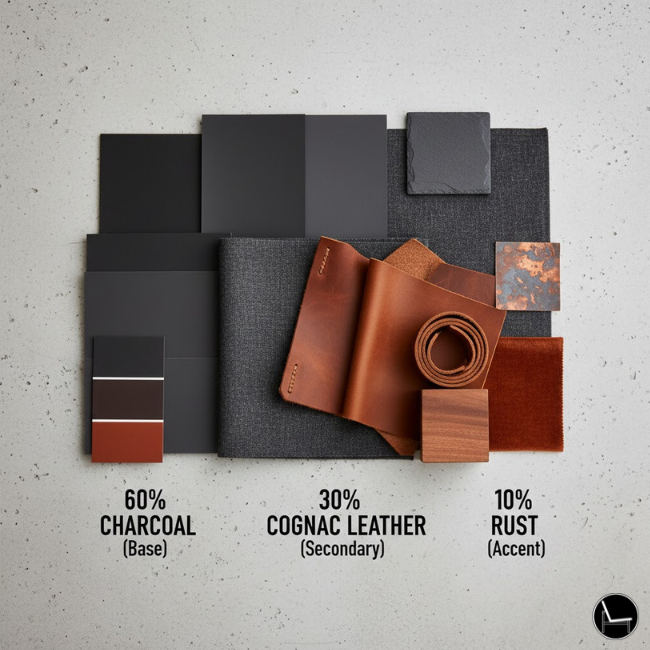
Masculine color schemes succeed through value contrast (light/dark), not darkness alone. Use a dominant neutral (60%), supporting tone (30%), and strategic accent (10%)—then deploy contrast through light and dark rather than bright colors.
The biggest mistake? Painting everything charcoal and calling it sophisticated.
True masculine color design creates mood through layering, not monochrome monotony.
A. The 60-30-10 Color Distribution Rule
60% Dominant Neutral: Walls and large furniture in charcoal, greige, warm white, or navy.
30% Supporting Tone: Secondary furniture and rugs in cognac leather, walnut wood, or black metal.
10% Accent Color: Pillows, art, and accessories in rust, forest green, burnt orange, or deep burgundy.
Check out this full guide on the 60-30-10 decor rule: The 60-30-10 Design Rule: A Comprehensive Guide
B. Proven Masculine Color Combinations
For Renters (No Paint Required):
- Keep existing white/beige walls as foundation
- Add charcoal sofa (60%) + black coffee table (30%) + rust accents (10%)
- Value contrast through furniture creates masculine edge without paint
For Homeowners (Bold Approach):
- Walls in Sherwin Williams “Iron Ore” or “Naval”
- Furniture in cognac leather + walnut wood tones
- Accents through brass fixtures + cream textiles
- Dark walls make warm materials dramatically “pop”
For Small Spaces (Smart Strategy):
- Walls in Benjamin Moore “Classic Gray”
- Black frame sofa with charcoal upholstery
- Accents using white marble + matte black metal
- Light walls prevent cave-like feeling while maintaining edge
C. Color Mistakes That Kill Masculine Design
❌ All-black everything: Reads nightclub, not sophisticated living room
❌ Gray sofa + gray walls + gray rug: Monotone boredom, not intentional monochrome
❌ Bright accent wall: Feels juvenile—use art for strategic color moments instead
❌ Random wood tone mixing: Stick to warm OR cool undertones, never both simultaneously
💡 Pro Tip: Afraid of commitment? Paint only the wall behind your sofa. This “accent wall done right” adds depth without overwhelming the entire space.
Check out this specific guide on: The Best Performance Fabric Sofas for Real Life (Kids, Pets & Spills Welcome)
IV. The 7 Furniture Pieces Every Masculine Living Room Needs
Your living room requires exactly seven furniture categories—no more, no less. Most men over-furnish (cluttered showroom) or under-furnish (college dorm). This framework hits the sweet spot.
The specific pieces depend on your chosen style, but this structure remains constant.
1. The Leather Sofa Rule: Your Largest Investment (Top Pick)
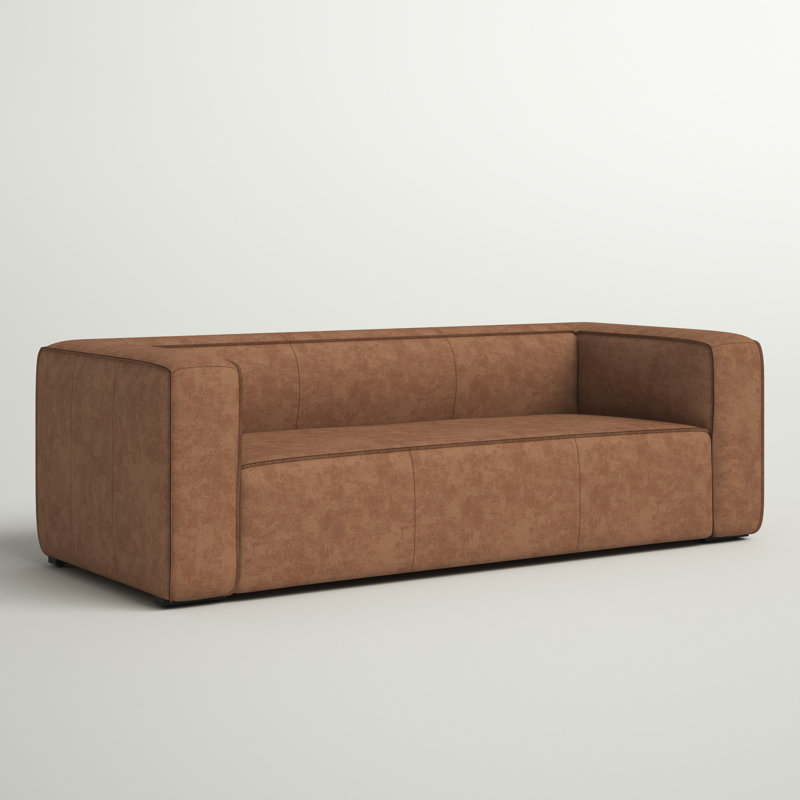
Budget $1,500-$3,500 for a quality piece lasting 10+ years. This determines whether your living room succeeds or fails. You need low, wide proportions—avoid high backs and rounded arms that read feminine.
Material Decision Tree:
Full-grain or top-grain leather: Ages beautifully, wipes clean, develops rich patina over time. Best for: Pet owners, spillers, long-term commitment. Expect: $2,500-$4,000.
Performance fabric (Crypton/Sunbrella): Modern aesthetic, stain-resistant, softer initial feel. Best for: Families, casual lifestyles, allergy concerns. Expect: $1,800-$3,000.
Linen or cotton: Sophisticated appearance but high-maintenance reality. Best for: Adult-only homes, infrequent use, dedicated cleaners. Expect: $2,000-$3,500.
Sofa Scale Guidelines by Room Size
- Under 200 sq ft: 76-84″ sofa length
- 200-300 sq ft: 84-96″ sofa length
- Over 300 sq ft: 96″+ sectional configuration
💡 Pro Tip: Shop floor models in January and July for 40-60% discounts. Quality sofas from Article, West Elm, or Room & Board regularly hit clearance sales.
2. The Coffee Table Anchor Point (Top Pick)
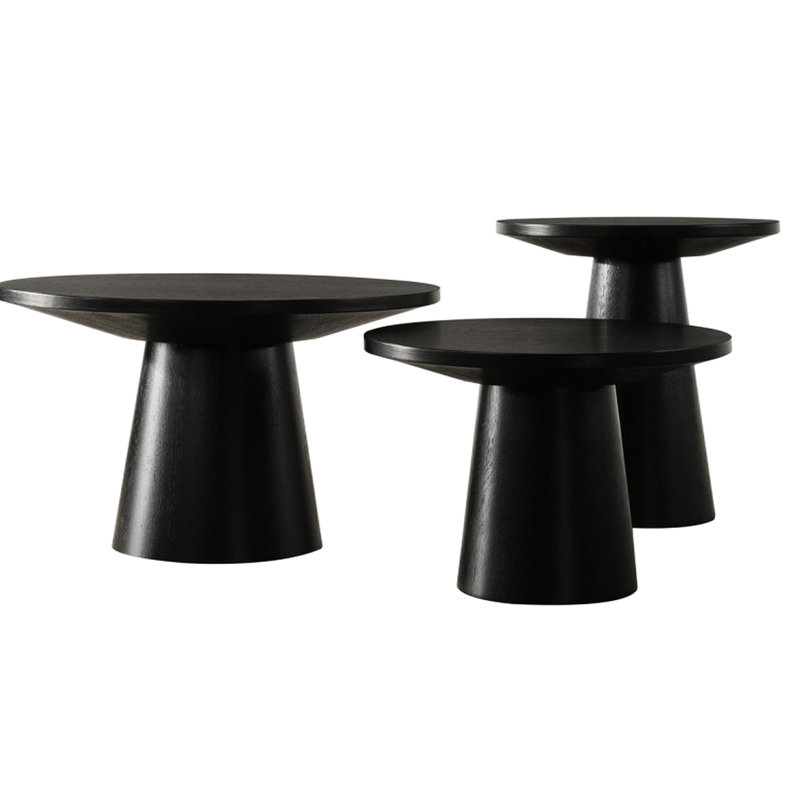
This piece creates conversation space and grounds your entire seating area. For masculine design, prioritize material weight and authenticity over delicate glass tops.
Best Materials with Price Ranges:
- Solid wood (oak, walnut, reclaimed): Timeless, durable, $400-$1,200
- Metal frame + wood top: Industrial edge, $300-$800
- Marble or concrete: Statement impact, $600-$1,500
Critical Size Rule: Your coffee table should measure 2/3 your sofa’s length and sit 16-18″ from the sofa edge for functionality.
3. The Personality Injection Accent Chair (Top Pick)
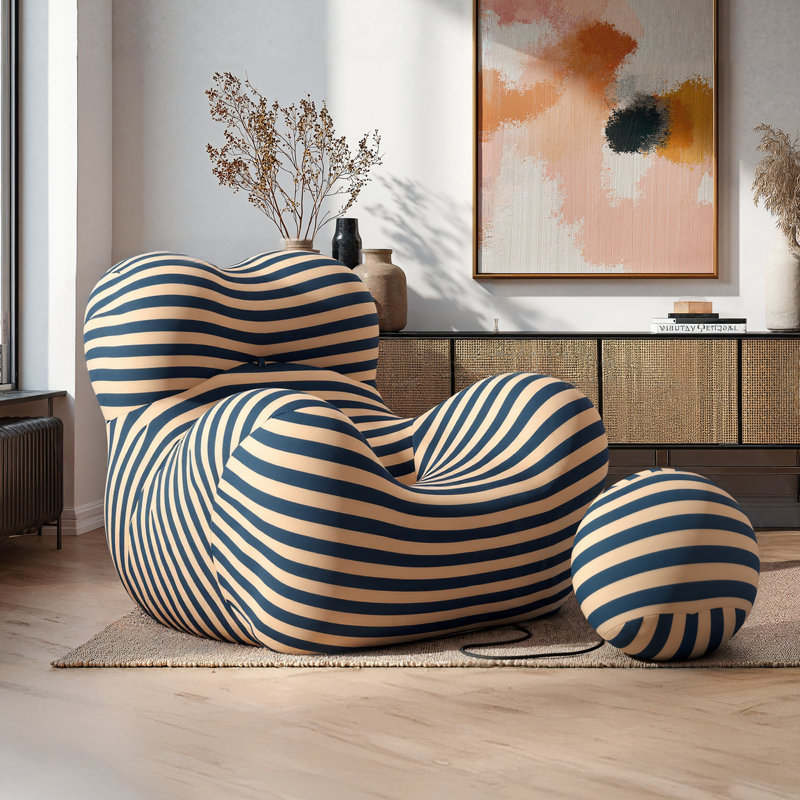
Budget $600-$1,200 for one statement chair rather than a matching pair. This is your permission to take calculated risks—different material, bolder color, or unique silhouette.
Top masculine chair picks:
- Cognac leather wingback (classic sophistication)
- Black metal frame with canvas seat (industrial edge)
- Walnut armchair with wool upholstery (mid-century warmth)
4. The Media Console Low and Wide (Top Pick)
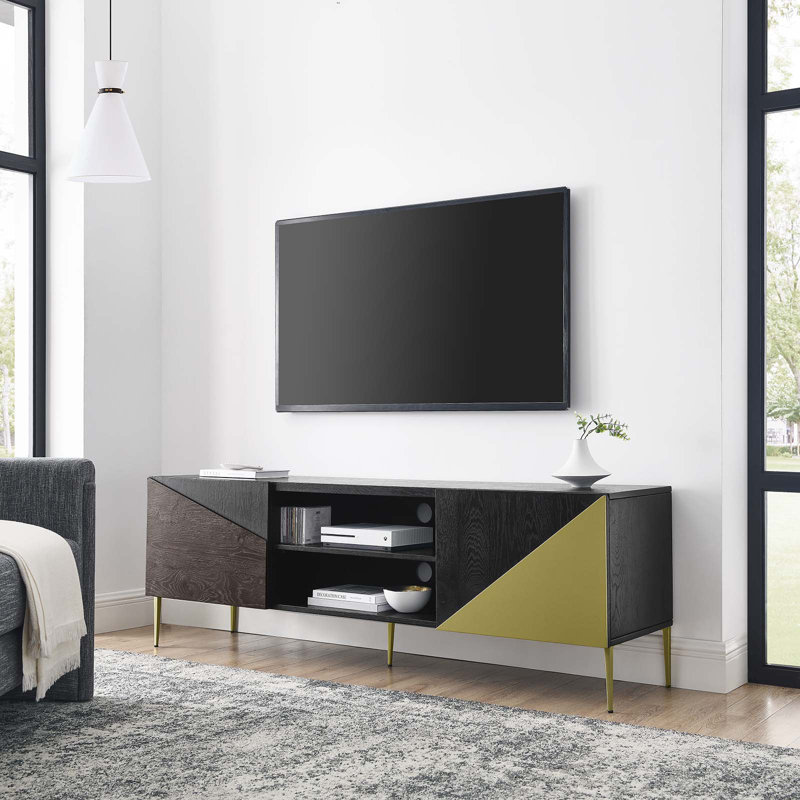
Choose proportions of 60-72″ length and 20-24″ height maximum. This keeps TV at proper viewing height while providing essential closed storage for visual cleanliness.
Material alignment by style:
- Industrial: Metal frame + wood shelving with visible hardware
- Mid-Century: Teak or walnut with signature tapered legs
- Contemporary: White lacquer or black wood in clean lines
- Traditional: Oak or cherry with cabinet door fronts
Budget allocation: $500-$1,500
5. The Room-Defining Area Rug (Top Pick)

Your rug must extend 8-12″ beyond all furniture legs when people are seated. This is the #1 sizing mistake men make—undersized rugs create visual disconnection.
Masculine rug styles that work:
- Overdyed vintage: Character without pattern chaos, $400-$1,000
- Jute or sisal: Natural texture, extreme durability, $200-$600
- Geometric flatweave: Modern without trendy, $300-$800
- Solid charcoal/black: Safe choice showing less wear, $250-$700
💡 Pro Tip: Pet owners should choose low-pile or flatweave rugs exclusively. High-pile traps hair and shows every stain dramatically.
6. The Vertical Storage Solution (Top Pick)

Even non-readers need vertical storage for visual balance and practical function. Choose floor-to-ceiling when possible—draws eyes upward and makes ceilings feel taller.
Masculine shelving options:
- Industrial pipe shelving: $200-$600 (DIY-friendly installation)
- Ladder bookshelf: $300-$700 (renter-friendly, no mounting)
- Built-in look-alike systems: $800-$1,500 (permanent upgrade)
7. The Statement Side Table (Top Pick)
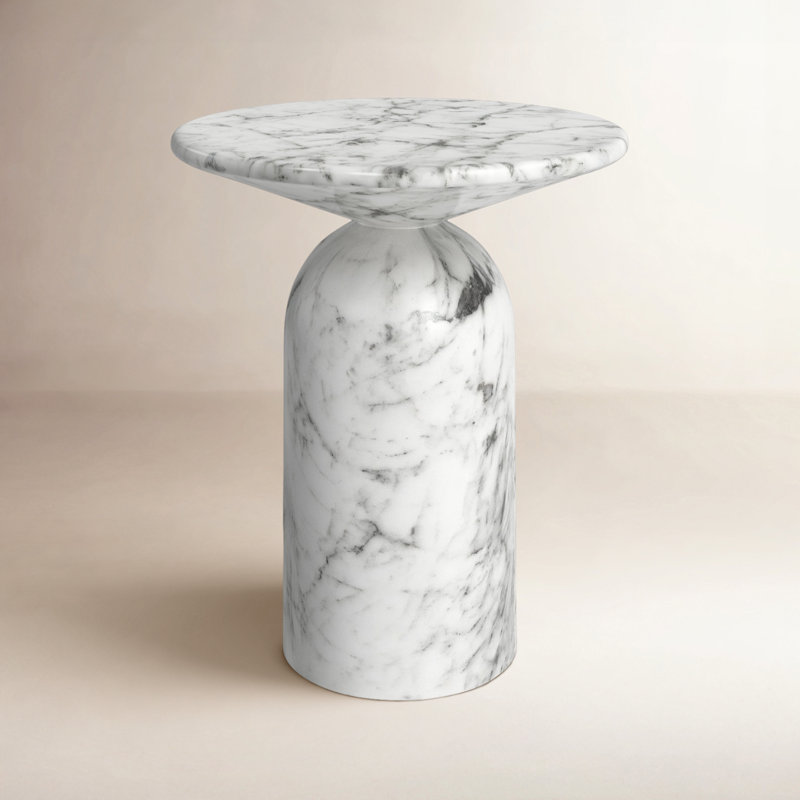
One substantial side table beats two flimsy ones every time. Place next to your accent chair or sofa end, sized to match the arm height exactly.
Best materials: Solid metal, real wood, or concrete. Budget: $150-$400.
Check out this specific guide on: The 7 Best RH Cloud Couch Dupes of 2026: Luxury Looks for Thousands Less
V. Masculine Living Room Budget Tiers: Where to Splurge vs Save
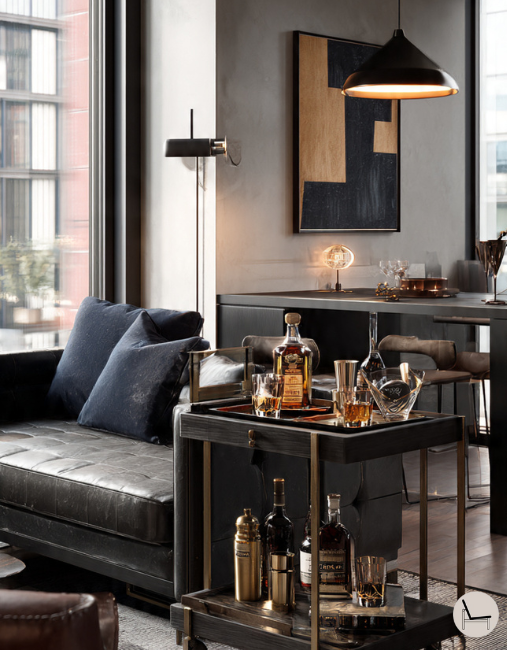
Most men either overspend on everything or cheap out completely—both strategies lead to regret. The strategic approach invests in high-touch daily items while saving on purely decorative pieces.
Your budget determines timeline, not whether you can create an impressive space.
A. The $3,000 Complete Transformation Top Picks


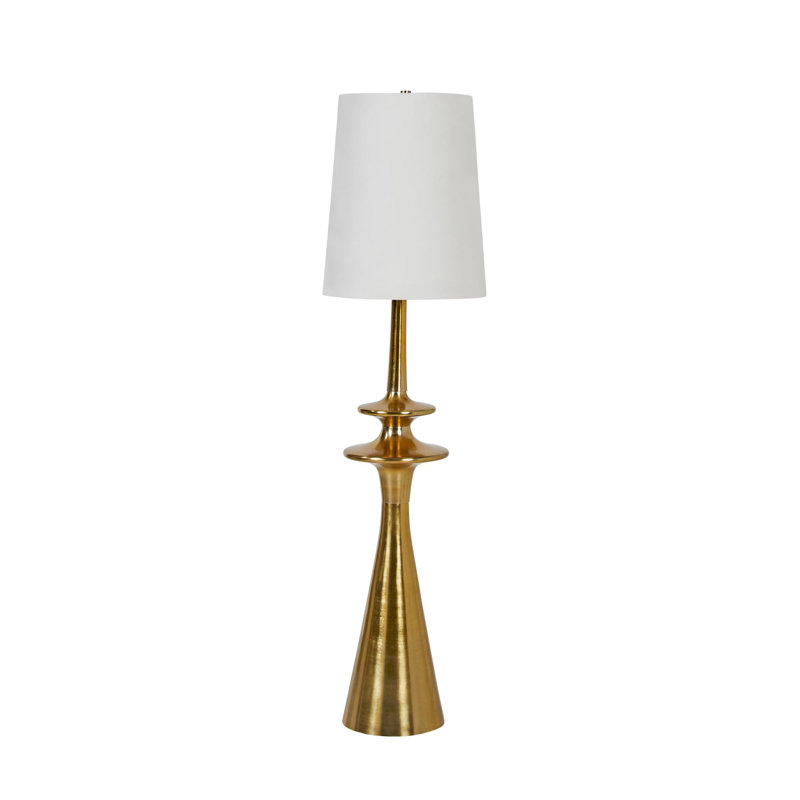

Investment breakdown:
- Sofa: $1,200 (Wayfair, Burrow, Amazon)
- Coffee table: $400 (Wayfair, Amazon)
- Area rug: $350 (Amazon, RugsUSA, Ruggable)
- Lighting package: $500 (2 floor lamps, 1 table lamp)
- Accent chair: $500-800 (Wayfair, Amazon, Facebook Marketplace vintage find)
- Shelving: $150 (Amazon, Wayfair)
What you sacrifice: Premium materials (bonded vs full-grain leather), customization options, immediate delivery timelines.
What you gain: Complete, cohesive room that photographs professionally and functions well daily.
B. The $6,000 Sweet Spot Investment Top Picks


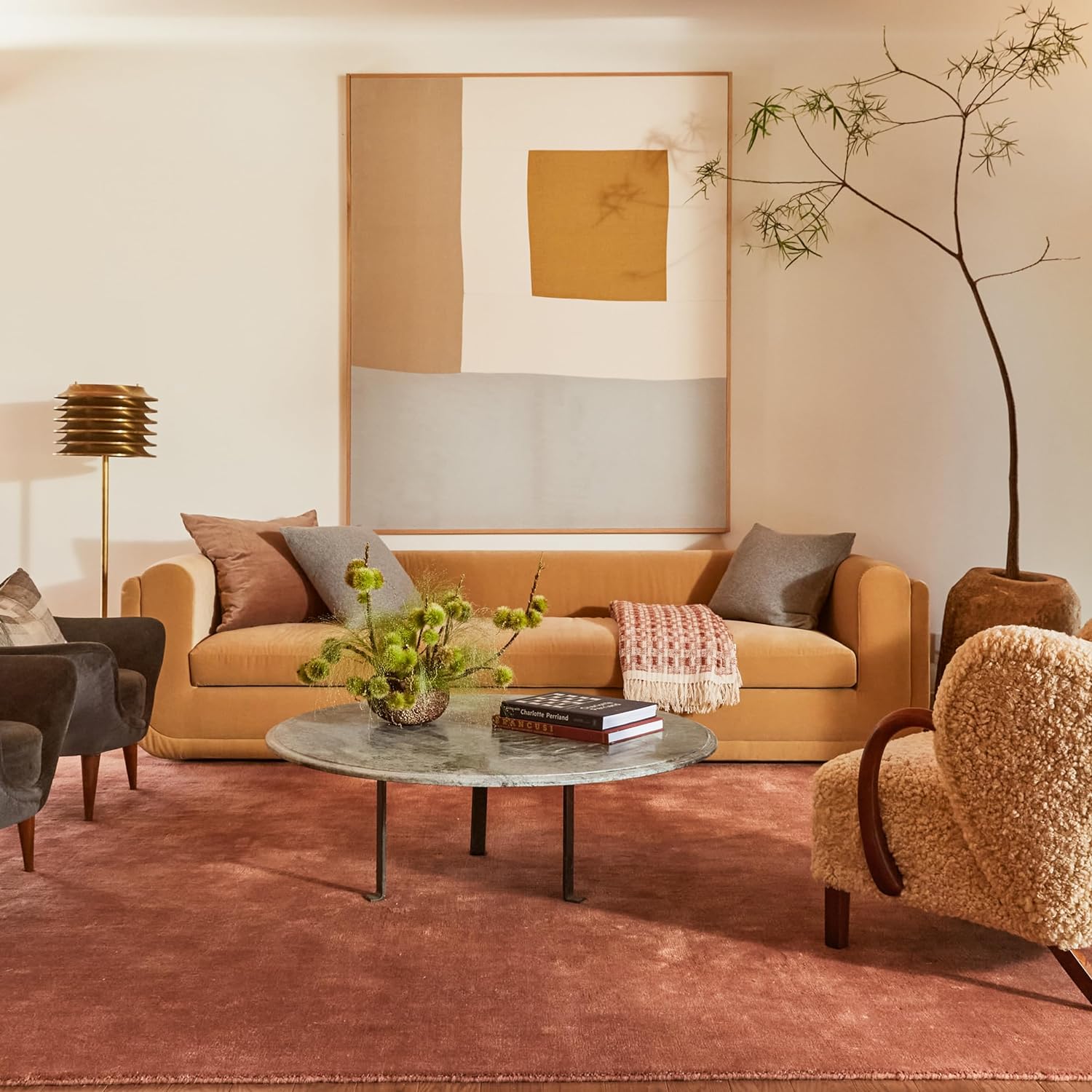

Investment breakdown:
- Sofa: $2,500 (Wayfair, West Elm, Article, Room & Board)
- Coffee table: $800 (Wayfair, CB2, Crate & Barrel)
- Accent chair: $900 (Wayfair, vintage mid-century or new leather)
- Media console: $700 (Wayfair, solid wood construction)
- Area rug: $600 (Amazon, Wayfair, higher quality natural materials)
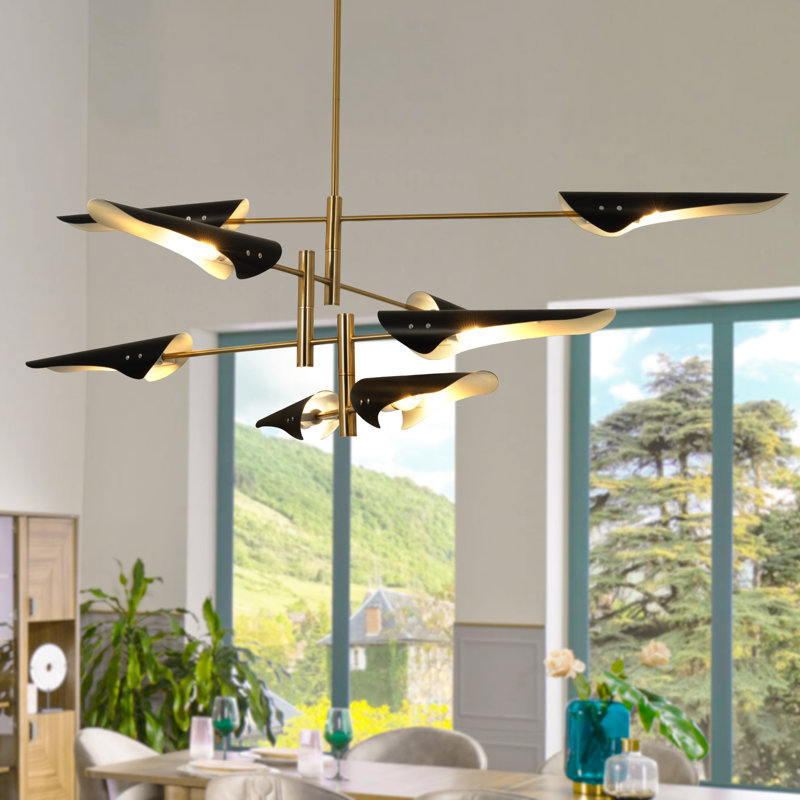
- Lighting package: $800 (architect-designed statement pieces)
- Accessories: $700 (Wayfair, wall art, Original art, plants, premium textiles)
What you unlock: Durable materials aging gracefully, genuine 10+ year lifespan, actual resale value when moving.
C. The $10,000+ Long-Term Investment Top Picks


Investment breakdown:
- Custom/designer sofa: $4,000-$6,000
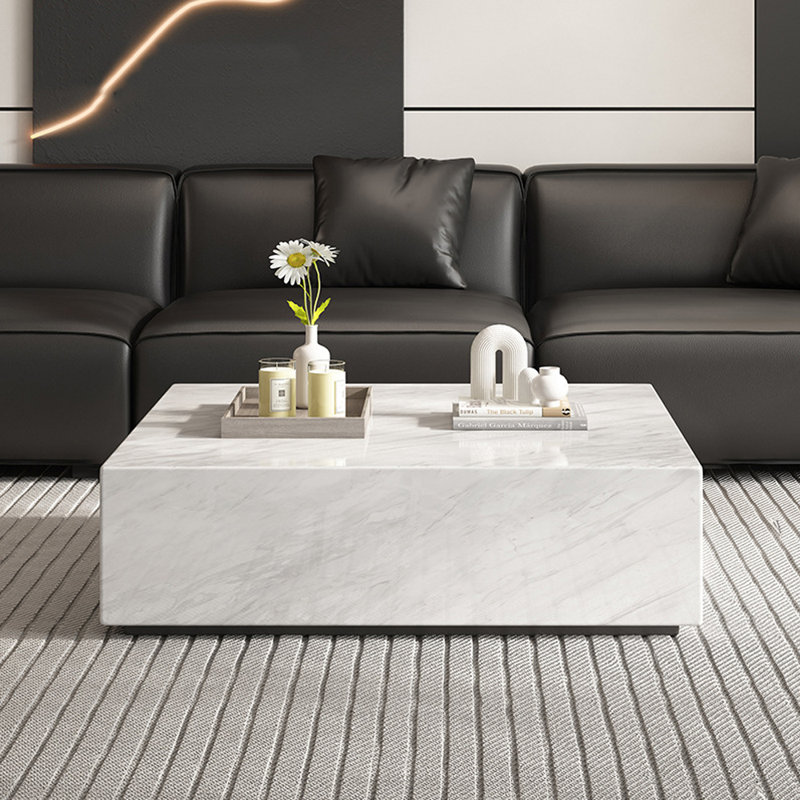
- Artisan coffee table: $1,500-$2,500
- Statement lighting collection: $1,200-$2,000
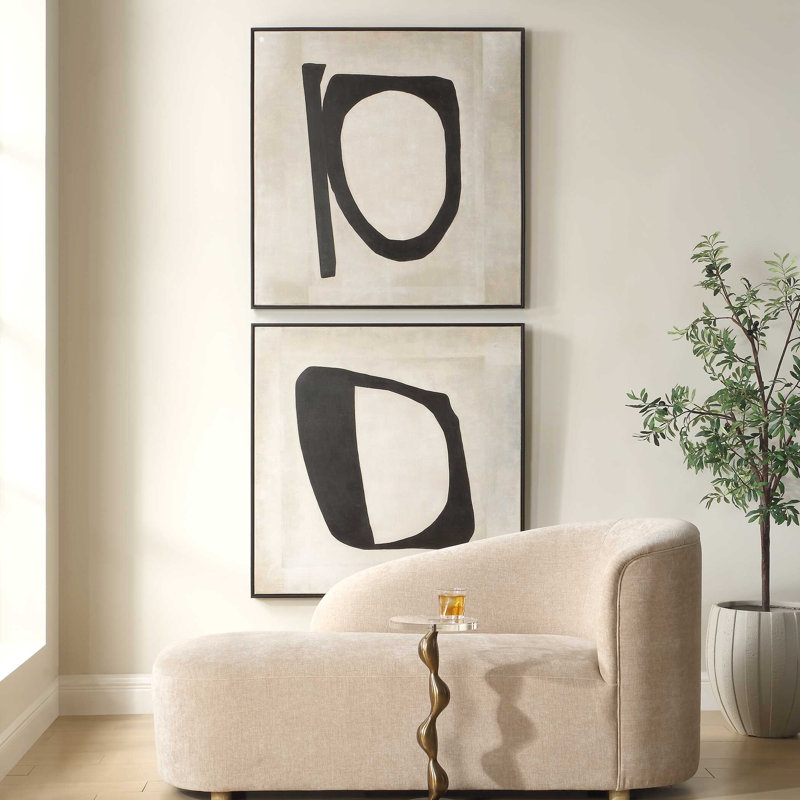
- Original artwork: $1,000-$3,000
- Everything else: Premium finishes throughout
Who this serves: Homeowners planning 10+ years in space, high-income professionals, dedicated design enthusiasts.
D. Splurge vs Save Decision Framework
| ALWAYS SPLURGE | ALWAYS SAVE |
| Sofa (daily use, comfort critical) | Throw pillows (swap seasonally) |
| Lighting (affects mood and function) | Artwork (DIY or budget finds work) |
| Coffee table (high-impact, durable need) | Side tables (accent pieces) |
| Area rug (anchors entire visual scheme) | Decorative objects (vases, bowls) |
| Accent chair (focal point furniture) | Blankets/throws (change frequently) |
D. Pros and Cons of Budget Approaches
Budget Approach ($3,000):
✅ Pros:
- Achieves complete transformation immediately
- Tests your style preferences affordably
- Easy to upgrade individual pieces later
- Lower financial commitment and stress
❌ Cons:
- Materials won’t develop beautiful patina
- Replacement needed in 3-5 years typically
- Limited customization in sizing/fabrics
- Resale value essentially zero
Investment Approach ($6,000+):
✅ Pros:
- Materials age beautifully over decades
- Custom sizing fits your exact space
- Genuine resale value when moving
- Pride of ownership in quality pieces
❌ Cons:
- Longer decision timeline required
- Higher upfront financial commitment
- Mistakes are more expensive to correct
- May need financing for affordability
💡 Pro Tip: Finance quality pieces interest-free through Affirm or Afterpay rather than buying cheap versions you’ll replace. A $2,500 sofa at $200/month for 12 months costs the same as buying three $800 sofas over 5 years—but you only move it once.
Check out this specific guide on: Coffee Table Styling Tips: Master the Art of Effortless Design
VI. The Texture Layering System (Depth Without Clutter)
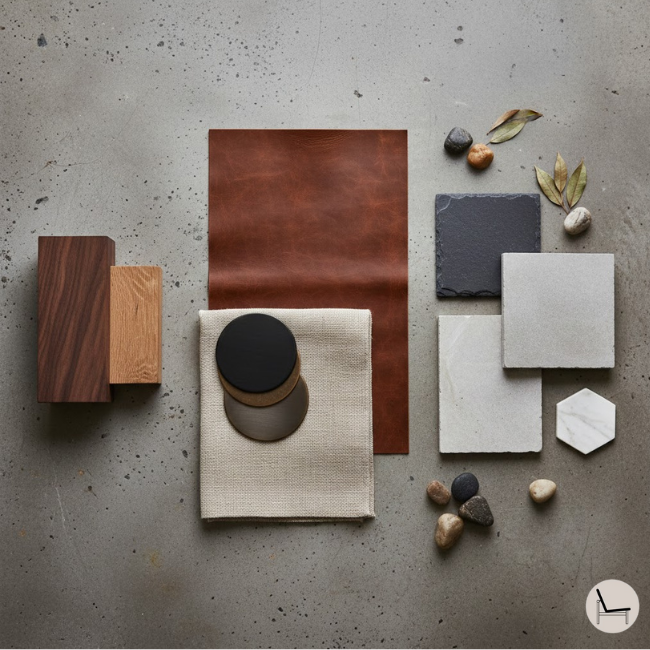
Masculine design relies on tactile material variation, not decorative objects, to create visual interest. Where feminine design uses patterns and florals, masculine spaces layer different materials at similar color values.
This creates richness without busy-ness or visual chaos.
A. The Three-Layer Texture Pyramid
Base Layer (Foundational Textures):
- Wood grain visible in coffee table, shelving, flooring
- Leather or performance fabric on sofa and chairs
- Woven textiles through area rug selection
Middle Layer (Contrast Materials): 4. Metal finishes in lighting, hardware, furniture legs 5. Stone or concrete for side tables and decorative objects 6. Textile variation using linen pillows and wool throws
Top Layer (Finishing Details): 7. Living plants providing texture and air purification 8. Book collections offering paper texture and personalization 9. Wall art creating visual texture and focal points
B. Material Combinations Proven to Work
Classic Masculine Palette: Cognac leather + dark walnut wood + matte black metal + cream linen.
Why it works: Warm undertones throughout, matte finishes prevent cold/shiny feeling.
Industrial Edge Palette: Gray concrete + reclaimed wood + brushed steel + charcoal fabric.
Why it works: Raw, unfinished materials create authentic warehouse aesthetic without pretense.
Modern Refinement Palette: White oak + black leather + brass + marble accents.
Why it works: Light wood prevents darkness, brass adds warmth to otherwise cool palette.
Contemporary Minimalist Palette: Light gray fabric + white oak + stainless steel + white walls.
Why it works: Scandinavian simplicity, extremely easy to maintain long-term.
C. Texture Mistakes Destroying Masculine Rooms
❌ All smooth surfaces: Glass + lacquer + leather = slippery, cold, unwelcoming hospital vibe
❌ Too much visible metal: Feels commercial office space, not residential living environment
❌ Synthetic everything: Fake leather, fake wood, fake plants = cheap look that photographs poorly
❌ Mismatched wood tones: Oak + walnut + cherry = visual chaos and amateur mistakes
💡 Pro Tip: Your metal finishes must match across the entire room. Choose matte black, brushed brass, or stainless steel—then maintain that choice consistently for lamp bases, furniture legs, and hardware.
“Texture is the masculine designer’s secret weapon. You can create a rich, layered space using only neutrals if your materials are interesting enough.” — Jeremiah Brent, interior designer
You’ll Also Like: Swivel Chairs Ultimate Guide: How to Choose & Style the Perfect One for Your Home
VII. The Three-Light Minimum Rule (Most Critical Element)
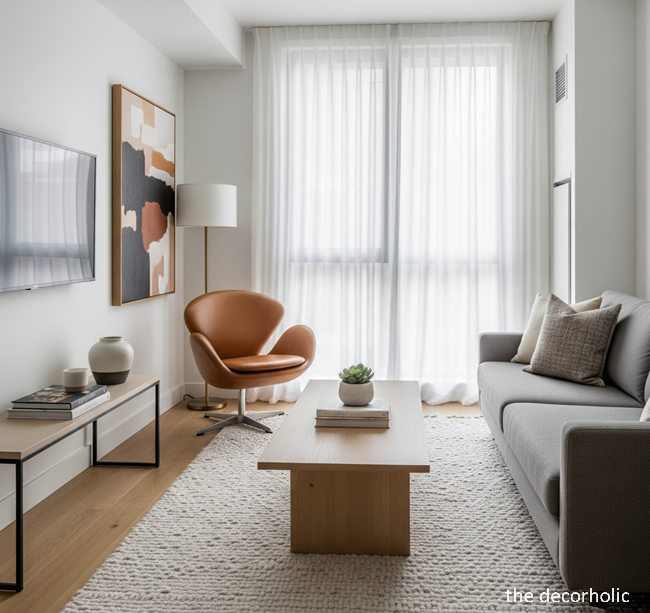
Most masculine living rooms fail because of terrible lighting, not bad furniture. You can own a $10,000 sofa, but single overhead fixture lighting makes the room feel like a medical waiting area.
Masculine spaces require three distinct lighting types: ambient, task, and accent.
Every living room needs minimum one source of each type to function properly and create mood flexibility.
A. Layer 1: Ambient Lighting (Overall Illumination)
Arc floor lamps provide ambient light without ceiling installation. Choose matte black or brass finish with marble base for stability. Budget: $200-$800.
Style-specific recommendations:
- Industrial: Black metal with exposed Edison bulb, $150-$400
- Mid-Century: Brass tripod with linen shade, $300-$600
- Contemporary: Minimalist LED arch design, $250-$500
B. Layer 2: Task Lighting (Functional Reading Light)
Table lamps placed on side tables or console provide focused task lighting. Choose substantial bases 12-16″ height minimum to avoid toy-like appearance. Budget: $120-$350 each.
Masculine base materials:
- Concrete or ceramic in matte finish
- Turned wood in dark walnut stain
- Industrial metal with visible detailing
C. Layer 3: Accent Lighting (Architectural Drama)
For homeowners: Replace builder-grade overhead fixtures with statement pieces.
- Sputnik chandelier: Mid-century statement, $400-$1,200
- Industrial pendant cluster: Edison bulbs in cage fixtures, $300-$800
- Linear suspension: Contemporary, works over sectionals, $500-$1,500
For renters: Skip overhead changes entirely, rely on floor and table lamps exclusively for flexibility.
D. The Light Temperature Strategy
Use 2700K-3000K (warm white) exclusively in living rooms. Cool white (4000K+) feels clinical and kills the cozy factor masculine spaces require for actual livability.
Dimmer switches are non-negotiable equipment. Install on all overhead fixtures and invest in dimmable bulbs for lamps—lighting flexibility transforms mood dramatically.
💡 Pro Tip: Add LED strip lighting behind your media console or under floating shelves. This indirect “glow” creates depth perception and makes TV screens easier to watch during evening hours.
D. Lighting Budget Allocation Guide
- $500 budget: 2 quality floor lamps + smart bulbs for dimming capability
- $1,000 budget: 2 floor lamps + 2 table lamps + overhead fixture replacement
- $2,000 budget: Designer statement pieces + professional installation + smart home integration
Check out this specific guide on: Statement Light Fixture: The Designer’s 5-Step Framework for Choosing the Perfect One
VIII. Masculine Living Room Ideas for Renters (No Permanent Changes)
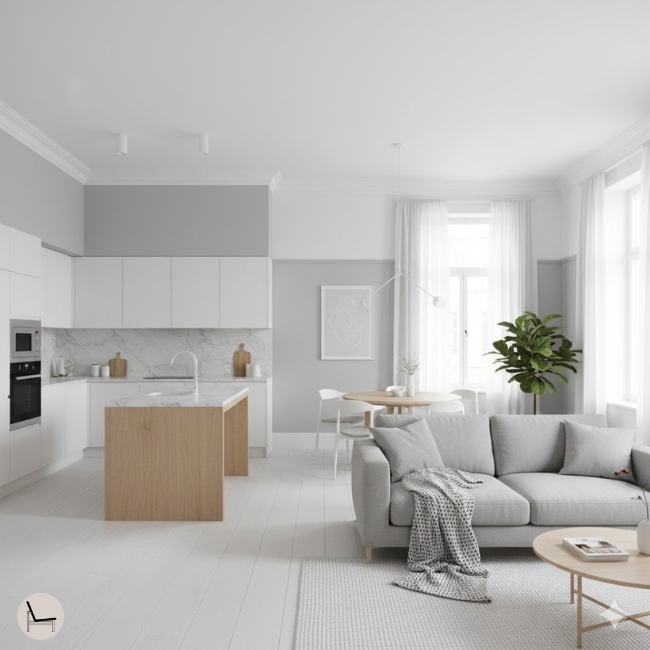
You don’t need to own walls to create an impressive masculine space—you need smarter removable solutions. Focus investment on portable furniture and accessories that move with you rather than permanent installations.
Think strategic rather than structural when building masculine aesthetic.
A. Wall Color Without Paint Permission
Peel-and-stick wallpaper in dark textured finish (faux concrete, dark linen). Creates dramatic accent wall. Cost: $80-$200 for single wall coverage.
Large-scale art measuring 70″+ width to create color anchor without paint. Cost: $100-$500 depending on source.
Floor-to-ceiling curtains in charcoal or black linen add vertical drama and color. Cost: $150-$300 including hardware.
B. Lighting Without Hardwiring Anything
Plug-in pendant kits with cord covers following wall edge create overhead lighting without electrician. Cost: $80-$200 installed.
Remote-controlled paper lanterns in black replace ceiling fixtures. Cost: $40-$100 per fixture.
Smart bulbs in existing fixtures (Phillips Hue, LIFX) for color temperature control. Cost: $50-$150 for room coverage.
C. Storage Without Drilling Holes
Leaning ladder shelf rests against wall with no mounting required. Cost: $200-$500 depending on material.
Freestanding room divider with shelving creates storage and separation. Cost: $300-$800 for quality piece.
Console table behind sofa replaces wall-mounted shelves entirely. Cost: $400-$900 for substantial piece.
D. Floor Improvements Over Existing Surfaces
Large area rug (9×12 minimum) hides worn carpet or bad flooring. Cost: $300-$1,000 for quality coverage.
Interlocking wood tiles install over existing floor and remove completely. Cost: $200-$600 for living room coverage.
D. Maximum Impact Investment Priority
Priority 1: Quality sofa (fully portable) — $1,500-$3,000
Priority 2: Lighting upgrades (all plug-in) — $500-$800
Priority 3: Large area rug (defines space) — $400-$800
Priority 4: Window treatments (removable rod) — $200-$400
💡 Pro Tip: Document your apartment’s original condition with timestamped photos before making any changes. This protects your security deposit and gives you confidence to make reversible upgrades.

E. Rental-Specific Problems Solved
Problem: White walls everywhere creating sterile feel.++
Solution: 70% furniture color coverage (dark sofa, dark rug, dark curtains) makes the walls visually recede.
Problem: Terrible overhead lighting from the landlord.
Solution: Remove bulb from ceiling fixture entirely, rely exclusively on floor/table lamps you control.
Problem: Cheap builder-grade carpet throughout.
Solution: Wall-to-wall rug coverage leaving 8-12″ border—easier to clean when moving out.
Problem: Can’t mount TV on the walls.
Solution: Quality media console with integrated mount or lean large-scale art instead of TV focus.
Check out this specific guide on: How to Choose and Style a Mid Century Wall Unit That Transforms Your Living Space
IX. Your 3-Step Masculine Living Room Action Plan
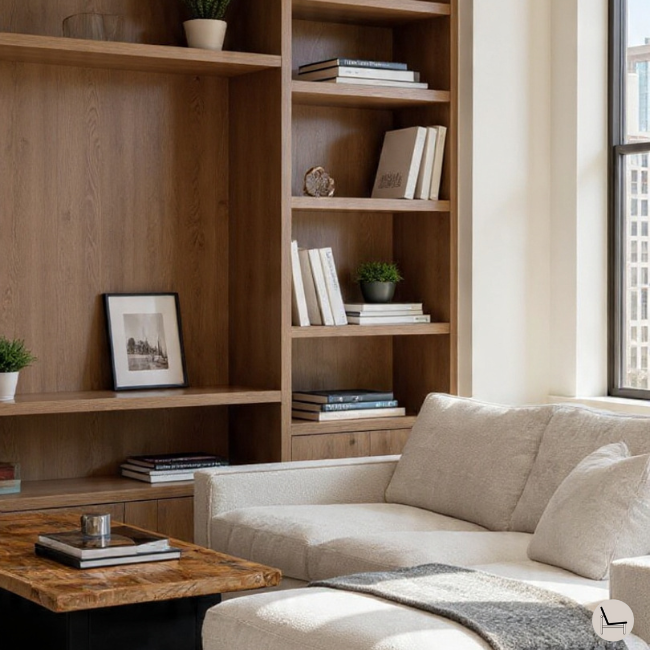
Step 1: Define Your Style and Budget (Week 1)
Choose your primary style direction from the four options: Industrial, Mid-Century Modern, Contemporary Minimalist, or Modern Traditional. Set realistic total budget and timeline—rushing this decision creates expensive mistakes later.
Create a simple Pinterest board with 10-15 images that resonate emotionally. Look for repeated elements across saved images—these reveal your authentic preferences beyond trends.
Step 2: Invest in Foundation Pieces (Months 1-2)
Purchase your three critical foundation elements in this exact order: quality sofa, lighting package (minimum 3 sources), and properly-sized area rug. These three items create 80% of your room’s visual impact and functional success.
Don’t buy accessories, art, or decorative items yet. Live with foundation pieces for 2-3 weeks to understand what’s actually still needed versus what you think you need.
Step 3: Layer Accessories Strategically (Month 3)
Add accent chair, coffee table, and storage solutions based on observed usage patterns. Buy only items solving specific problems you’ve experienced—never because the space “looks empty” on Instagram.
Complete with minimal accessories: 2-3 plants, 1-2 pieces of meaningful art, and essential textiles (throw blanket, 2-4 pillows maximum).
💡 Pro Tip: Most men skip Step 2’s waiting period and immediately over-furnish. The two-week pause prevents impulse purchases and ensures intentional choices.
Check Out These Other Guides:
Interior Design Style Quiz
Timeless Paint Colors That Never Go Out of Style
Create Your Perfect Ergonomic Home Office: A Complete Guide
Must-Have Accessories for Guys: The Secret to a Stylish Space
Modular Sofas for Small Spaces: Brilliant Solutions for Compact Liv
Conclusion: Building Your Confident Masculine Space
Creating a masculine living room isn’t about following rigid formulas—it’s about making intentional choices that reflect confidence and quality. The spaces that succeed balance restraint with warmth, invest in fewer but better pieces, and layer texture rather than clutter.
Your next step: Choose your style direction, set a realistic budget, and start with the foundation—sofa, lighting, and rug. These three elements create 80% of your room’s impact and provide the framework for everything else.
Ready to transform your space? Start with one high-impact upgrade this month. For most men, that’s replacing cheap lighting with two quality floor lamps—the immediate mood shift will motivate your next investment.
Updated for 2026 design trends and current product availability.
Disclaimer: This post may contain affiliate links. I earn a commission on qualifying purchases at no additional cost to you.
FAQ: Masculine Living Room Design
Q. How do I make my living room look masculine without it feeling cold?
Add warm-toned woods (walnut, oak), layered textiles (throw blankets, pillows in linen or wool), and 2700K warm-white lighting. The coldness comes from too much metal and glass, not from dark colors themselves.
A charcoal room with wood accents and warm lighting feels cozy and inviting. An all-black room with chrome fixtures and cool LEDs feels clinical and unwelcoming.
Q. What’s the best masculine color for a small living room?
Use light-to-medium grays or greige on walls (Benjamin Moore “Revere Pewter” or Sherwin Williams “Agreeable Gray”) with darker furniture for contrast. All-dark colors in small spaces create cave-like compression that feels oppressive.
The masculine element comes from furniture scale and material quality, not wall darkness. Dark furniture against light walls creates sophisticated contrast in compact spaces.
Q. Can you mix leather and fabric in a masculine living room?
Yes—mixing is actually preferred for textural depth and visual interest. Use leather on your sofa or accent chair, then add fabric (linen, performance weave, or wool) through pillows, throws, or the opposite seating piece.
Avoid matching furniture sets entirely. Mixing materials looks more curated, lived-in, and professionally designed rather than showroom-purchased.
Q. How much should I spend on a masculine living room makeover?
Budget $3,000-$6,000 for a complete transformation if starting from scratch. Allocate 40-50% to your sofa, 20% to lighting, 15% to coffee table, and remaining 15-25% to accent pieces for balanced investment.
If keeping existing furniture, $1,500-$2,500 in strategic upgrades (lighting, rug, art, new accent chair) creates dramatic visible improvement.
Q. What’s the difference between masculine and industrial design?
Industrial is one specific style within the broader masculine design category. Industrial specifically uses raw materials (exposed brick, metal, concrete) and warehouse aesthetics with visible mechanical elements.
Masculine design is much broader, encompassing mid-century, contemporary, and traditional styles that share principles of restraint, quality materials, and clean lines without industrial’s specific materiality requirements.
Q. How do I make a masculine living room work with kids or pets?
Choose performance fabrics (Crypton, Sunbrella, leather) over delicate materials, and avoid light colors entirely—go medium to dark throughout. Select low-pile or flatweave rugs rather than shag or high-pile that traps hair and shows stains.
Choose closed storage (cabinets vs open shelving) to hide toys and maintain visual cleanliness. The aesthetic remains masculine through furniture scale and color discipline while materials handle real-life wear patterns.
Should I hire an interior designer for a masculine living room?
If your budget exceeds $10,000 or you’re doing permanent renovations (built-ins, electrical, architectural changes), professional guidance prevents expensive mistakes. Designers provide access to trade-only sources and handle complex spatial planning beyond furniture arrangement.
For furniture-only transformations under $6,000, use this guide and mockup tools like Modsy or Spacejoy ($99-$200) to visualize before buying and avoid costly returns.
CATCH THE LATEST IN HOME DECOR TRENDS:
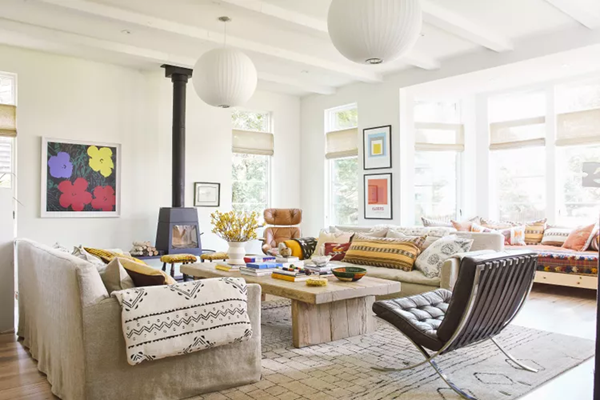
Steal These 16 Expert-Approved Decorating Secrets

How To Accessorize Your Living Room
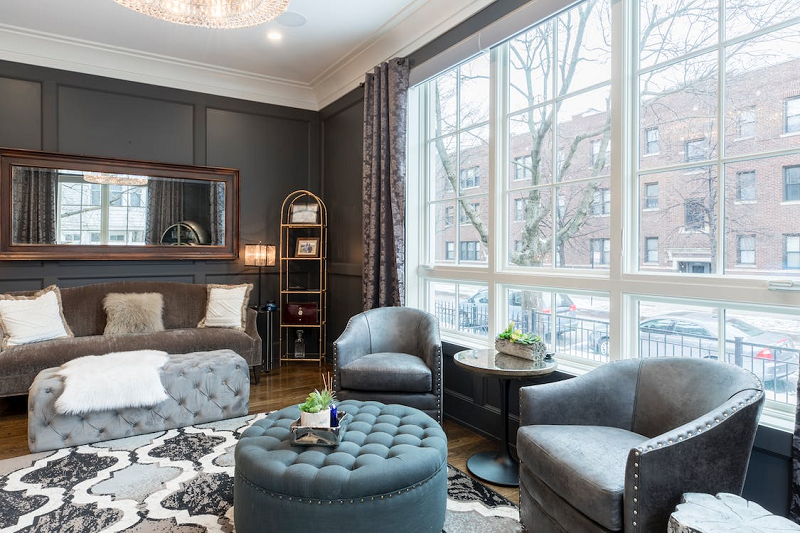
Small Space? 10 Ways To Make A Room Appear Bigger
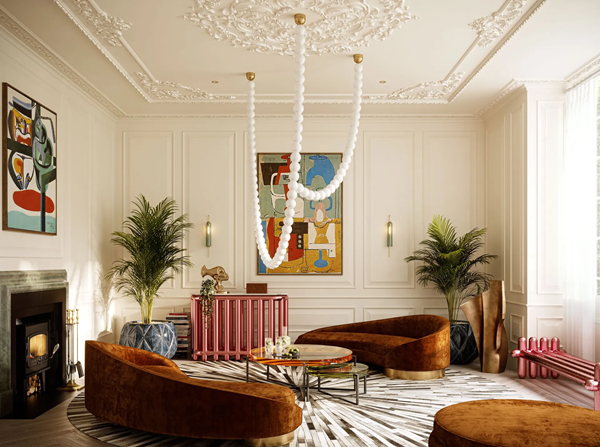
Make Your space Look Expensive
GET CAUGHT UP ON ALL THE INSPIRING DECOR TIPS:
18 Fresh Decorating Ideas To Update Your Fireplace
How to Make a Gallery Wall: The Complete Step-by-Step Guide (Even If You’ve Never Hung a Picture)


