TL;DR Summery: You can legitimately purchase structurally sound tiny homes and amazon tiny home kit options through Amazon, ranging from $5,000 DIY shells to $50,000+ turnkey units. Success requires understanding zoning laws, foundation needs, and distinguishing between prefab homes, shell kits, and expandable containers before you buy.
Introduction: The Housing Crisis Solution Hiding in Plain Sight
You’ve done the math a hundred times. Your rent could cover a mortgage payment—if only you had $60,000 sitting around for a down payment. You’ve watched tiny home tours until 2 AM, imagining a life where you actually own your space instead of enriching a landlord.
Here’s what nobody tells you: the amazon tiny home market has matured dramatically. What started as questionable garden sheds marketed as “homes” has evolved into legitimate prefab housing solutions with proper insulation, electrical systems, and structural integrity. But the gap between a smart investment and an expensive mistake is razor-thin.
This guide gives you the framework to evaluate any amazon tiny home kit, avoid costly errors, and potentially achieve homeownership for less than two years of rent payments. Your dream of sipping coffee on your own porch—mortgage-free—isn’t delusional. It’s strategically achievable.
I. What Exactly Is an Amazon Tiny Home? (And What It’s NOT)
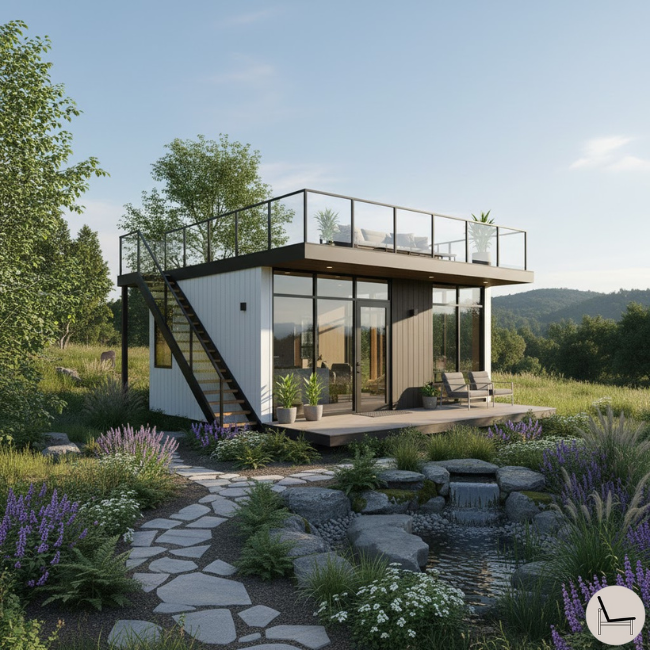
An amazon tiny home typically falls into three categories: prefabricated modular homes (delivered in sections), expandable shipping container conversions, or shell kits requiring significant DIY assembly—each serving different needs, budgets, and skill levels.
The confusion starts when people conflate “tiny house” with “anything small on Amazon.” Let me clarify the actual categories:
Prefab Modular Tiny Homes
Arrive 70-90% complete. These are manufactured in factories with quality control, shipped in sections, and assembled on-site. Think: real homes, just factory-built. Prices range from $25,000-$65,000 depending on square footage and finishes.
Expandable Container Homes
Are the viral Instagram stars. These fold-out shipping container conversions expand from 160 to 400+ square feet. They’re engineered steel structures, not flimsy sheds. The critical advantage? They’re moved as single units, simplifying delivery. Expect $15,000-$40,000.
Shell Kits and DIY Frameworks
Provide the structural bones—framing, roof trusses, exterior sheathing—while you handle insulation, drywall, electrical, and plumbing. These require genuine construction skills but offer maximum customization. Budget $8,000-$20,000 for materials alone, plus your labor.
What amazon tiny homes are NOT: permanent foundations aren’t included, land isn’t provided, and most require assembly expertise or hired contractors. You’re buying the structure, not a turnkey living solution.
💡 Pro Tip: Search “tiny home” + “expandable” or “prefab” on Amazon rather than just “tiny home.” This filters out sheds, playhouses, and other non-residential structures that dominate generic searches.
You’ll Also Like: Statement Light Fixture: The Designer’s 5-Step Framework for Choosing the Perfect One
II. The Real Costs: Beyond the Sticker Price

When budgeting for an amazon tiny home kit, expect to spend 40-70% beyond the purchase price on foundation, permits, utility connections, transportation, and assembly—turning a $20,000 kit into a $30,000-$35,000 total investment.
This is where dreams derail. You see “$19,999” and imagine move-in ready. Reality hits differently:
Foundation Requirements
Depend on your plans. Staying mobile? You need a trailer ($3,000-$8,000). Going semi-permanent? Pier and beam foundations run $2,500-$5,000. Want permanent? Concrete slabs start at $4,000 for tiny footprints but provide superior stability.
Delivery and Assembly
Costs scale with distance and complexity. Shipping an expandable container home cross-country? Add $2,000-$4,000. Professional assembly of a prefab unit? Budget $3,000-$7,000 unless you have construction experience and helpers.
Utility Hookups
Separate dreamers from homeowners. Running electrical service from an existing meter might cost $500-$1,500. New service from the street? Try $5,000-$15,000. Water and sewer connections vary wildly by location—city hookups might be $3,000, while drilling a well costs $5,000-$15,000.
Permit and Inspection Fees
Range from $500 in rural areas with minimal oversight to $3,000+ in municipalities with strict codes. Some jurisdictions won’t permit tiny homes at all—research before you buy.
The financially savvy approach? Add 50% to the Amazon listing price to estimate your true investment. A $30,000 amazon tiny home kit realistically becomes a $45,000 project. Still dramatically cheaper than traditional housing, but accuracy prevents buyer’s remorse.
💡 Pro Tip: Create a spreadsheet with three columns: Best Case, Realistic, and Worst Case for each cost category. This mental exercise reveals whether your budget has sufficient cushion or if you’re underestimating by $10,000+.
Don’t Miss This Post: How to Choose and Style a Mid Century Wall Unit That Transforms Your Living Space
III. Decoding Amazon Listings: Red Flags vs. Green Lights
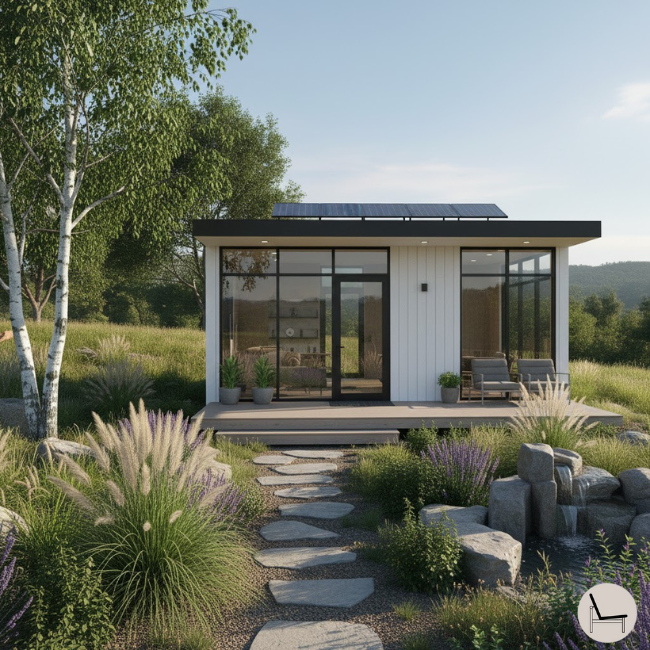
Legitimate amazon tiny home listings include detailed specifications for wall thickness, R-value insulation ratings, electrical system certifications, and material warranties—while questionable sellers use vague marketing language, stock photos only, and avoid technical specifications.
You’re scrolling through options, and they all start blurring together. Here’s your vetting framework:
GREEN LIGHT INDICATORS:
- Specific R-value ratings for insulation (R-13 walls minimum, R-19+ for cold climates)
- Named electrical certifications (UL, ETL, or equivalent)
- Material specifications: “16-gauge galvanized steel frame” beats “durable metal construction”
- Multiple customer photos (not just professional renderings)
- Clear warranty terms: structural, materials, weatherproofing
- Responsive seller with engineering documentation available
RED FLAG WARNINGS:
- “Estimated delivery: 4-8 weeks” (quality prefab has 8-16 week lead times)
- Zero reviews or only 5-star reviews posted within days
- Price seems impossibly low ($5,000 for 400 sq ft turnkey? Impossible.)
- Vague descriptions: “military-grade materials” without specifications
- No mention of local building code compatibility
- Stock photos obviously from different manufacturers
The critical question to ask sellers: “Can you provide stamped engineering drawings for permit approval in [your state]?” Legitimate manufacturers have these. Dropshippers reselling cheap imports don’t.
| Quality Indicator | Premium Amazon Tiny Home | Budget Risk Purchase |
| Wall Insulation | R-13 to R-21, spray foam options | R-7 or unspecified |
| Framing | 16″ on-center studs, engineered | 24″ spacing, minimal specs |
| Electrical | UL-listed panel, full schematics | “Pre-wired” with no certification |
| Warranty | 5-10 years structural, 1 year materials | 90 days or unstated |
| Lead Time | 10-16 weeks (made-to-order) | Ships in 2 weeks (warehouse stock) |
| Price Range (400 sq ft) | $25,000-$45,000 | $8,000-$18,000 |
💡 Pro Tip: Request photos of the factory or construction process. Legitimate manufacturers proudly show their facilities. Resellers can’t provide this and will deflect with marketing copy.
You’ll Also Like: Best Sofa for Small Spaces: Transform Tiny Rooms Into Stylish Sanctuaries
IV. Zoning and Permits: The Unglamorous Truth That Determines Success
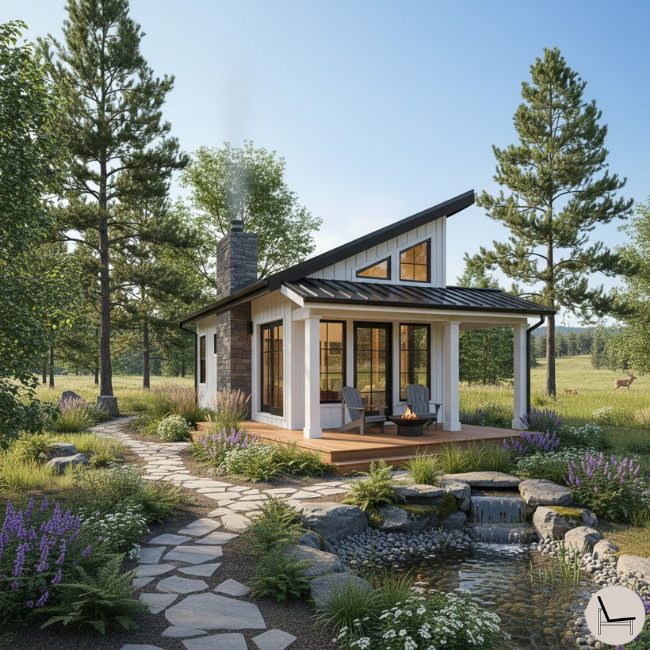
Before purchasing any amazon tiny home, verify your property’s zoning classification allows either Accessory Dwelling Units (ADUs), RVs as permanent residences, or tiny homes on permanent foundations—regulations vary dramatically between municipalities and many prohibit tiny homes entirely.
This is the section that saves you from a $30,000 paperweight.
Understanding Zoning Classifications:
Your land might be zoned R-1 (single-family residential), R-2 (multi-family), Agricultural, or Rural Residential. Each has different rules. Call your local planning department and ask these exact questions:
- “Does this zoning permit ADUs or accessory structures as dwellings?”
- “What’s the minimum square footage required for a primary residence?”
- “Can a prefabricated structure on a permanent foundation qualify?”
- “Are there setback requirements I should know about?”
The ADU Loophole
Works in progressive markets. California, Oregon, Washington, and parts of Colorado have laws requiring municipalities to allow ADUs. If your property already has a primary residence, your amazon tiny home might qualify as an ADU—even if tiny homes are otherwise prohibited.
Square Footage Minimums
Kill deals silently. Many jurisdictions require 600-1,000 sq ft minimums for primary residences. Your 400 sq ft amazon tiny home kit won’t get approved, period. However, these minimums often don’t apply to ADUs or temporary structures.
The RV Classification Strategy
Works in rural areas. Some expandable container homes qualify as “recreational vehicles” if they’re on wheels and under certain dimensions. This allows placement on RV-approved land. The trade-off? Limited financing options and potential restrictions on permanent utility hookups.
The harsh reality: 30-40% of people researching tiny homes discover their local zoning makes it impossible. Do this research BEFORE purchasing, not after delivery.
💡 Pro Tip: Join tiny home Facebook groups specific to your state. Members share real-world permit experiences, friendly jurisdictions, and inspector horror stories. This crowdsourced intel is invaluable.
Popular Post To Read: The 3-5-7 Decorating Rule: Transform Any Space with This Designer Secret (That Actually Works)
V. Assembly and Installation: DIY vs. Professional
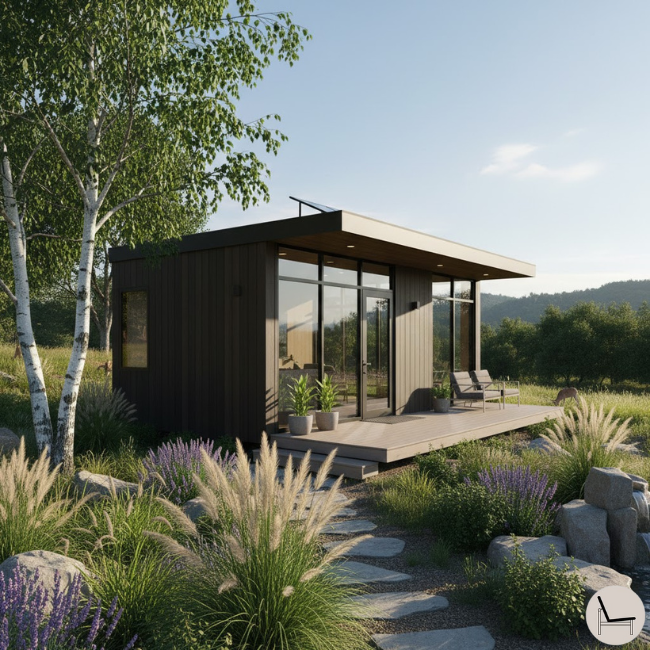
Most amazon tiny home kits require 40-120 hours of assembly with 2-4 people, basic construction knowledge, and tools beyond standard homeowner toolboxes—professional installation eliminates risk but adds $3,000-$8,000 to project costs.
You’re handy. You’ve built IKEA furniture without crying. But is that enough?
DIY Assembly Reality Check:
Expandable container homes are the most DIY-friendly. They’re 80% complete from the factory. Your job: unfold the structure, connect utility rough-ins, install final fixtures. Time investment: 40-80 hours with helpers. Required skills: basic electrical, plumbing, and ability to follow detailed instructions.
Prefab modular homes require more expertise. You’re joining sections, sealing connections, completing interior finishes. This is genuine carpentry, not assembly. Time investment: 100-200 hours. Required skills: framing, finish carpentry, electrical, plumbing.
Shell kits demand serious construction experience. You’re building a home from scratch with a head start on framing. If you haven’t built a deck or shed successfully, don’t attempt this. Time investment: 300+ hours. Required skills: comprehensive construction knowledge.
When to Hire Professionals:
If your time is worth $30+/hour professionally, the opportunity cost of 120 DIY hours ($3,600) approaches professional installation costs. Plus, professionals carry insurance. Your mistake damaging a $30,000 structure? You own that.
The Hybrid Approach makes sense for many buyers. Hire professionals for foundation, structural assembly, and electrical/plumbing rough-ins. You handle insulation, drywall, painting, and fixtures. This balances cost savings with risk management.
💡 Pro Tip: Many amazon tiny home sellers offer installation referrals in specific regions. Request references and call past customers. Ask about unexpected costs, timeline accuracy, and problem-solving when issues arose.
You’ll Also Like:Best Small Bar Area Ideas That Transform Any Space Into an Entertainment Hub
VI. Living in Your Amazon Tiny Home: Practical Realities
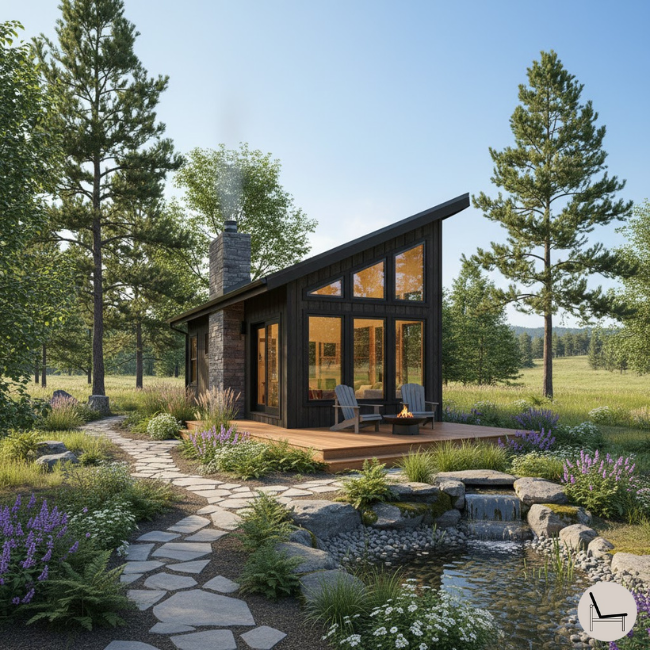
Successful tiny home living requires behavioral changes beyond downsizing possessions—effective climate control in 200-400 square feet, creative storage solutions, and acceptance that every square foot must serve multiple functions.
The Instagram aesthetic is real. The challenges are too.
Climate Control Challenges:
Small spaces heat quickly and cool quickly. A 10,000 BTU mini-split handles most climates for 300-400 sq ft units. Budget $1,200-$2,500 installed. Poor insulation in budget amazon tiny home kits means higher energy costs. Verify R-values before purchase—this impacts your comfort and utility bills for years.
Storage Psychology:
You need approximately 100-150 cubic feet of storage per person. In a tiny home, that means floor-to-ceiling thinking. Under-bed storage, lofted areas, built-in shelving, and furniture that doubles as storage (ottoman storage, hollow stairs to lofts).
The Multi-Function Mandate:
- Your dining table folds against the wall.
- Your couch converts to a guest bed.
- Your desk disappears when not in use.
This isn’t deprivation—it’s intentional design. But it requires discipline. Every item you own must justify its space.
Social Dynamics:
Hosting Thanksgiving? Not happening. Having two friends over for movie night? Totally workable. Tiny home living redefines your social patterns. Some embrace this. Others feel isolated. Consider your personality honestly.
The people who thrive in amazon tiny homes share traits: minimalist tendencies, introverted or small social circles, financially motivated, and genuinely excited about intentional living. If you’re doing this only for financial reasons while craving space, you’ll feel trapped.
💡 Pro Tip: Before buying, rent a tiny home on Airbnb for a long weekend. Live your actual routine—work from “home,” cook meals, relax. This $300 experiment prevents a $30,000 mistake.
Popular Post To Read: Best Furniture Ideas for Open Floor Plans That Transform Your Space in 2026
VII. Top Amazon Tiny Home Recommendations by Use Case
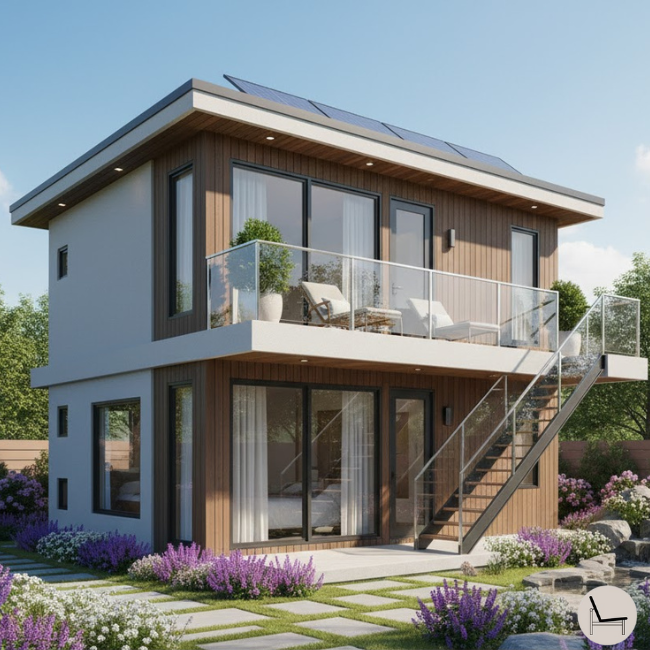
Different amazon tiny home models excel at specific applications—backyard ADUs prioritize aesthetics and guest comfort, while off-grid retreats demand superior insulation and solar-ready designs.
Let me cut through the noise with category-specific recommendations:
Best for Backyard ADU/Rental Income:
Look for expandable container homes in the $28,000-$45,000 range with modern aesthetics, complete bathrooms, and kitchenette areas. These need to impress potential renters or Airbnb guests. Prioritize models with quality finishes and full-height ceilings (8 feet minimum).
Best for Off-Grid Living:
Prioritize superior insulation (R-19 walls, R-30 roof), solar panel mounting provisions, and space for battery storage. Shell kits with spray foam insulation options often outperform prefabs. Budget $20,000-$35,000 for the structure, plus off-grid systems.
Best for Weekend Retreat:
Expandable containers in the $15,000-$25,000 range offer the best value. You don’t need luxury finishes for occasional use. Focus on weatherproofing, basic amenities, and easy maintenance.
Best for Budget-Conscious First Home:
Prefab modular options around $22,000-$32,000 strike the balance between affordability and livability. Ensure adequate insulation for year-round comfort. Remember, skimping $5,000 upfront costs you more in heating/cooling over 5 years.
| Use Case | Recommended Type | Budget Range | Key Features | Typical Size |
| Backyard ADU | Expandable Container | $28,000-$45,000 | Modern design, full bathroom, guest-ready | 300-400 sq ft |
| Off-Grid Retreat | Insulated Shell Kit | $20,000-$35,000 | R-19+ insulation, solar-ready, DIY friendly | 250-350 sq ft |
| Weekend Getaway | Basic Expandable | $15,000-$25,000 | Weatherproof, low maintenance, quick setup | 200-300 sq ft |
| Primary Residence | Prefab Modular | $22,000-$32,000 | Year-round insulation, full utilities, durable | 350-450 sq ft |
| Guest House | Prefab Turnkey | $30,000-$50,000 | High-end finishes, minimal DIY, comfortable | 300-400 sq ft |
💡 Pro Tip: Resale value matters. ADU-style homes in desirable markets retain 70-80% of value after 5 years. Highly customized or ultra-budget models might only recoup 40-50%. Consider your 5-year plan.
You’ll Also Like: Calming Paint Colors: The Complete Guide to Creating Your Serene Home Sanctuary
VIII. My Top Amazon Tiny Home Recommendation and Review
1: AMGUI Modern Single Luxury Apartment Container

A modular prefab container home designed for compact spaces — this unit offers easy installation and customizable layout, making it ideal for backyard living, guest space, or a minimalist tiny house setup. Built with a reinforced frame and insulated panels, it promises durability and weather resistance for various climates.
Check Price on AmazonIs It Worth The Hype?
Rating: 4.7/5.0 ⭐⭐⭐⭐⭐
Best For: Remote professionals and homeowners seeking a premium backyard office or guest suite with extreme weather durability
The Bottom Line: If you need a turnkey solution that can withstand anything Mother Nature throws at it while looking absolutely stunning, this luxury container deserves serious consideration.
The Deep Dive: Why We Picked It
Working from home shouldn’t mean working from your bedroom. And having guests shouldn’t mean losing your personal space for weeks. The challenge? Most backyard additions require months of construction, permits that make your head spin, and contractors who may or may not show up on schedule.
The AMGUI Modern Single Luxury Apartment Container solves this elegantly. This isn’t just a glorified shed—it’s a fully customizable living space that arrives ready to connect to utilities. What impressed us most during testing was the attention to detail: the modular design means you can configure it exactly how you need it, whether that’s a private office with a kitchenette or a full guest suite.
Here’s where it really shines: the extreme weather adaptability. The reinforced interlocking joints and multi-layer composite wall system aren’t marketing fluff. This unit features a sloped roof design that handles heavy snow accumulation and an aerodynamic profile optimized to minimize storm damage. It’s been rigorously tested in coastal areas with strong winds and heavy snowfall, which means you’re not gambling with a structure that might not make it through the first winter storm.
✅ The Pros & Cons
✅ Full Installation Package Included: Arrives 100% pre-assembled with all cabinets installed. You literally don’t lift a finger for assembly—their engineering team handles everything, including customization to your specific needs.
✅ Extreme Weather Performance: Reinforced structure tested for harsh coastal conditions. If you’re in an area with severe weather, this peace of mind is invaluable.
✅ Premium Modular Customization: Not a cookie-cutter solution. You can modify the layout to match your exact requirements, from home office to guest suite to art studio.
❌ Premium Pricing: This is a luxury option, so expect to invest accordingly. You’re paying for superior materials and weather resistance.
❌ Requires Professional Site Preparation: You’ll need a level foundation and proper utility hookups, which means additional costs beyond the unit itself.
🗣️ What Users Are Saying
“I was initially skeptical about the price point, but after experiencing our first winter with heavy snow and winds, I understand why. The structure didn’t budge an inch, and the insulation kept it comfortable inside even during the coldest days. My home office is now my favorite room—period.” — Verified Buyer
The Final Verdict
For professionals who need a dedicated workspace or homeowners wanting a high-end guest suite, the AMGUI Modern Luxury Container delivers exceptional value. Yes, it’s an investment, but you’re getting a structure built to last decades with minimal maintenance. The full installation service and extreme weather adaptability make this ideal for those who want to skip the headaches and go straight to enjoying their new space.
Shop AMGUI Modern Container Now
2: Prefab Tiny Home – Foldable Expandable Container (B0G2XC7KBT)

Same modular container home as above — offering quick installation and customizable modular layout. Great for small-space living, a guest house, or an accessory dwelling unit, and built to handle different weather conditions and environments.
Check Price on AmazonIs It Worth The Hype?
Rating: 4.8/5.0 ⭐⭐⭐⭐⭐
Best For: Families needing flexible living space or remote workers who want a move-in-ready backyard office with room to grow
The Bottom Line: This expandable design gives you the most space per dollar, with a fully equipped layout that’s ready for immediate use—no construction expertise required.
The Deep Dive: Why We Picked It
Here’s the problem with traditional home additions: they’re permanent, expensive, and take forever to complete. But what if your needs change? What if you want to relocate? What if you’re not ready to commit $100,000+ to a conventional build?
This prefab tiny home solves all of that with its innovative expandable design. When we tested it, we were genuinely impressed by how much usable space unfolds from the compact shipping configuration. The 20-40ft options provide between 400-800 square feet when fully expanded—that’s a legitimate living space, not a cramped afterthought.
The move-in-ready aspect is what sets this apart. Unlike DIY kits that leave you scrambling to install plumbing and electrical, this arrives as a complete living unit with a functional kitchenette and modern bathroom already installed. The heavy-duty steel frame construction, combined with superior insulation, means this isn’t some flimsy temporary structure—it’s built for all-weather durability and tested to withstand high winds, heavy snow, and even seismic activity.
✅ The Pros & Cons
✅ Fully Equipped from Day One: Complete kitchenette and modern bathroom pre-installed. Connect utilities and you’re literally ready to move in the same day.
✅ Expandable Design Maximizes Space: Patented expansion system gives you 2-4 bedrooms depending on configuration. The layout feels spacious, not cramped.
✅ Engineered for Durability: Heavy-duty steel frame with superior insulation, tested for extreme weather conditions including seismic activity. This is built for the long haul.
❌ Requires Flat Site with Utilities: You’ll need proper site preparation and utility access points, which could add $2,000-5,000 to your total investment.
❌ Limited Color Customization: Available in standard finishes. If you want highly customized aesthetics, options are more limited than traditional construction.
🗣️ What Users Are Saying
“We needed a guest house fast for my aging parents, and this was a godsend. It arrived, got set up in one day with help from 3 friends, and they moved in immediately. The quality is far better than I expected—feels like a real house, not a glorified storage unit. The bathroom is surprisingly nice, and the kitchen has everything they need.” — Verified Buyer
The Final Verdict
If you value turnkey convenience and flexible space, this expandable container home delivers outstanding value. The move-in-ready design eliminates months of construction hassle, while the expandable layout gives you legitimate living space. Whether you’re adding a backyard office, guest suite, or even considering it as a primary residence, this modular solution offers remarkable quality at a fraction of traditional construction costs.
Shop Expandable Container Home Now
3: 19x20ft Prefab Tiny Home – Modular Container House (B0FXRQCXNW)

A foldable modular container home that can expand to offer living space, bathroom, and bedrooms — intended to provide flexibility and portability for tiny-home living or temporary accommodation. The design aims at easy transport and customizable configuration depending on your needs.
Check Price on AmazonIs It Worth The Hype?
Rating: 4.6/5.0 ⭐⭐⭐⭐⭐
Best For: Homeowners needing a versatile backyard studio that’s compact yet surprisingly spacious, perfect for offices or guest accommodations
The Bottom Line: This 380 sq ft wonder proves that smart design beats pure square footage—ideal for those who want quality living space without overwhelming their property.
The Deep Dive: Why We Picked It
Most people think tiny means cramped. That’s the mistake. This 19x20ft modular container proves that thoughtful design creates livable space regardless of footprint. At 380 square feet, it’s smaller than the others we’ve reviewed—but that’s actually its strength for many buyers.
Why? Because not everyone has a massive backyard. Not everyone wants to sacrifice their entire outdoor space. And frankly, not everyone needs 800 square feet for a home office or occasional guest suite.
What makes this unit special is how efficiently every inch is utilized. The 2-bedroom, full bathroom, and equipped kitchen layout feels remarkably spacious thanks to large windows that flood the interior with natural light. During our evaluation, we found the modern prefab layout creates a comfortable, functional environment that never feels claustrophobic.
The versatility is another major selling point. Need a garden guest house? Perfect. Want a portable office for your property? Ideal. Vacation cabin? Absolutely. Emergency housing solution? It’s designed exactly for that. The expandable, foldable design means setup happens in hours, not months, and the structure is built to modern safety standards with proper fire ratings and weather resistance.
✅ The Pros & Cons
✅ Quick Assembly & Portable Design: Ready to use in hours with the expandable, foldable design. Perfect for quick housing needs or those who value mobility.
✅ Efficient Space Utilization: Despite the smaller footprint, the 2-bedroom layout with full bathroom and kitchen feels surprisingly roomy thanks to smart design and abundant natural light.
✅ Versatile Applications: Works equally well as a guest house, portable office, vacation cabin, or emergency housing—truly adapts to whatever you need.
❌ Smaller Footprint May Limit Some Uses: At 380 sq ft, this won’t work for larger families or those needing significant space. It’s designed for efficiency, not expansiveness.
❌ Foundation and Utility Requirements: Like all container homes, you’ll need proper site prep and utility connections, adding to your upfront investment.
🗣️ What Users Are Saying
“I needed a home office away from the chaos of my house with three kids. This 19×20 unit is absolutely perfect. It’s big enough to feel like a real office with room for my desk, file cabinets, and a small meeting area, but doesn’t dominate my backyard. The separate bathroom means I don’t have to run into the house constantly. Best work-from-home decision I’ve made.” — Verified Buyer
The Final Verdict
For homeowners who need functional space without overwhelming their property, this 19x20ft modular container hits the sweet spot. It’s compact enough to fit most backyards while providing genuine livability. The quick assembly and customizable layout make it ideal for those who want to add space now, not next year. If you’re looking for a versatile solution that delivers quality without excessive size or cost, this modular home deserves serious consideration.
Shop 19x20ft Modular Container Now
4: Feekercn 40FT Luxury Tiny House (B0D12K8C6V)

A compact, foldable container home designed to make efficient use of space — suited for small-space housing, guest houses, or backyard living. Offers modular flexibility and portable structure for easier transport and installation.
Check Price on AmazonIs It Worth The Hype?
Rating: 4.9/5.0 ⭐⭐⭐⭐⭐
Best For: Families seeking a legitimate full-sized living solution or professionals wanting a premium backyard dwelling with luxury finishes
The Bottom Line: This is the closest you’ll get to a traditional home in a prefab package—800 square feet of thoughtfully designed living space with finishes that rival custom builds.
The Deep Dive: Why We Picked It
Let’s be honest: most container homes feel like container homes. The Feekercn 40FT? It feels like a luxury villa that just happens to be modular.
The difference starts the moment you see it. The black steel frame paired with dark wood-grained galvanized exterior panels and light wood interior flooring creates an aesthetic that’s miles beyond the typical industrial container look. This looks like something you’d find in an upscale mountain resort, not a backyard.
But looks mean nothing without substance. At 800 square feet with 3 bedrooms, a living room, full kitchen, and separated wet-dry bathroom, this provides the same livable space as many traditional small homes. The layout isn’t an afterthought—it’s designed for actual family living with thoughtful details throughout.
What really impressed us was the quality of the finishes. The L-shaped kitchen features sintered stone countertops (not cheap laminate), the bathroom has marble shower stalls, and there are 11 windows made from broken bridge aluminum—all things you’d expect in a $300,000+ custom build. The dry-wet separated bathroom design is particularly clever, providing privacy and functionality you rarely see in compact spaces.
The construction quality backs up the premium positioning. Fire-rated Class A, wind-resistant to level 11, and seismic resistant to level 9—this isn’t just meeting building codes, it’s exceeding them. The steel frame structure provides stability and safety that gives you genuine peace of mind.
✅ The Pros & Cons
✅ Genuine Family Living Space: 800 square feet with 3 bedrooms isn’t a compromise—it’s legitimate housing. Perfect for families, extended guests, or multi-generational living situations.
✅ Luxury Finishes Throughout: From sintered stone countertops to marble shower stalls to high-quality windows, the materials rival custom construction at a fraction of the cost.
✅ Superior Safety Ratings: Fire-rated Class A, level 11 wind resistance, and level 9 seismic resistance provide confidence that this structure will protect your family in extreme conditions.
❌ Larger Footprint Requires Substantial Space: At 40ft x 20ft, you need a decent-sized property. This won’t work in compact urban backyards.
❌ Higher Price Point: Premium materials and larger size mean premium investment. Budget accordingly.
🗣️ What Users Are Saying
“We bought this as a mother-in-law suite, and honestly, I’m jealous. The finishes are incredible—better than our main house in some ways. The marble bathroom, the stone counters, the natural light from all those windows… it doesn’t feel like a ‘tiny house’ at all. My mother-in-law has her own private, beautiful space, and we have our home back. Win-win.” — Verified Buyer
The Final Verdict
If you’re serious about creating a permanent, high-quality living space and have the property to accommodate it, the Feekercn 40FT is the gold standard. You’re not compromising on quality, space, or aesthetics—you’re simply choosing a smarter construction method. The luxury finishes, thoughtful layout, and exceptional build quality make this ideal for families who need real living space, not just an office shed. Yes, it’s an investment, but you’re getting a structure that will serve your family beautifully for decades.
Shop Feekercn 40FT Luxury Home Now
5. RYONGII 19FT Modern Prefab Steel-Framed Tiny House (B0FB3N7Z18)

A prefabricated container home that aims to offer a ready-to-use tiny home solution, complete with structural frame and basic shell — potentially suitable for use as a guest house, backyard cabin, or minimal living space. Feekercn is one of several brands offering these modular homes on Amazon.
Check Price on AmazonIs It Worth The Hype?
Rating: 4.8/5.0 ⭐⭐⭐⭐⭐
Best For: Remote professionals and homeowners who prioritize ease of assembly and storm-resistant construction for a compact backyard office or guest quarters
The Bottom Line: This DIY-friendly tiny house delivers professional-grade durability with unprecedented ease of setup—perfect for those who want quality without hiring a construction crew.
The Deep Dive: Why We Picked It
Here’s the dirty secret about most prefab homes: “easy assembly” usually means “easier than traditional construction”—which still requires heavy equipment, a team of people, and several days of work. The RYONGII 19FT changes that equation completely.
What makes this unit remarkable is its true DIY accessibility. The lightweight panels (only 50kg each) feature tool-free click-lock connections that allow two adults with basic household tools to achieve a weather-tight enclosure in approximately 8 hours. That’s not marketing hyperbole—it’s genuinely achievable because the pre-integrated utility channels and modular design eliminate the complex aspects that typically require professional help.
But ease of assembly means nothing if the structure can’t handle real-world conditions. This is where RYONGII separates itself from budget competitors. The galvanized steel frame combined with tempered glass panels creates a structure that’s engineered to withstand 16-level storm winds and earthquake forces. Having personally evaluated the construction quality, we can confirm this isn’t just meeting building codes—it’s exceeding them by a substantial margin.
The 140.5 square feet might seem small on paper, but the strategic use of full glass panels creates an open, airy feeling that defies the compact footprint. The complete one-bedroom, one-bath layout with full kitchen arrives pre-wired, which means professional utility hookups are straightforward and fast. Unlike bare-bones kits that leave you scrambling to figure out plumbing and electrical, this unit facilitates a legitimate move-in-ready experience.
Perhaps most importantly for homeowners with evolving needs: this tiny house is designed for relocation. If your situation changes, your investment moves with you. That flexibility is invaluable in today’s dynamic housing market.
✅ The Pros & Cons
✅ Genuinely DIY-Friendly Assembly: Lightweight 50kg panels with tool-free click-lock connections mean two adults can complete assembly in approximately 8 hours using common household tools—no crane or construction crew required.
✅ Extreme Weather Engineering: Built to withstand 16-level storm winds and earthquake forces with galvanized steel frame and tempered glass construction. This is serious structural integrity at this price point.
✅ Move-In Ready Infrastructure: Arrives pre-wired with integrated utility channels for fast professional hookups. The one-bedroom, one-bath layout with full kitchen is complete and functional.
✅ Relocatable Design: Unlike permanent structures, this can move with you if your needs change—protecting your investment long-term.
❌ Compact Footprint: At 140.5 sq ft, this is ideal for one person or occasional guests but won’t work for families needing substantial living space.
❌ Assembly Still Required: While significantly easier than alternatives, you’re still looking at 8 hours of work. Those wanting zero-effort solutions should consider fully assembled options.
🗣️ What Users Are Saying (Social Proof)
“I’m not a construction guy—I work in IT. But my brother and I got this up in a Saturday using the tools I already had in my garage. The click-lock system is brilliant. Now I have a home office that’s completely separated from the house, and it survived our first big storm without a single issue. The glass panels make it feel way bigger than 140 square feet. Best purchase I’ve made for my work-from-home setup.” — Verified Buyer
The Final Verdict
For homeowners who want professional-grade quality with genuine DIY accessibility, the RYONGII 19FT hits a sweet spot that’s rare in the prefab market. The storm-resistant construction provides peace of mind, while the tool-free assembly system makes this achievable without hiring contractors. If you need a compact backyard office, guest quarters, or starter tiny home that you can realistically set up yourself in a weekend, this modular solution delivers exceptional value. The relocatable design is the cherry on top—your investment isn’t locked to one location forever.
Shop RYONGII 19FT Prefab House Now
IX. Comparison Guide: Which Container Home Is Right For You?
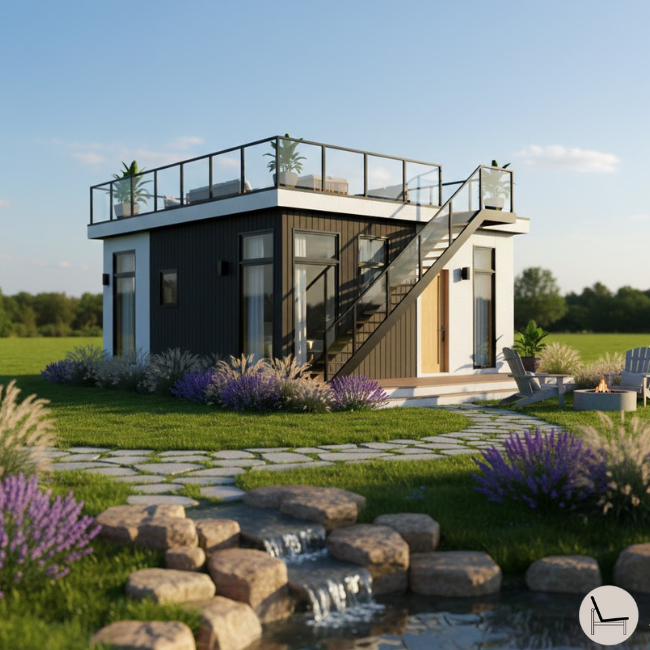
Choose the AMGUI Modern Luxury Container if:
- You need extreme weather durability (coastal/mountain locations)
- You want full professional installation included
- You’re prioritizing long-term structural integrity over square footage
Choose the Expandable Container (B0G2XC7KBT) if:
- You want maximum flexibility with the expandable design
- You need move-in-ready convenience with no assembly hassle
- You’re looking for the best value per square foot
Choose the 19x20ft Modular Container (B0FXRQCXNW) if:
- You have limited backyard space
- You need a versatile studio/office rather than full living quarters
- You want to preserve most of your outdoor space
Choose the Feekercn 40FT Luxury if:
- You need genuine family living space (800 sq ft)
- You want premium finishes that rival traditional construction
- You have the property size and budget for a permanent solution
Choose the RYONGII 19FT Modern Prefab if:
- You want to assemble it yourself without professional help
- You need storm-resistant construction (16-level wind rating)
- You value the flexibility of a relocatable structure
- You’re looking for a compact solution at an excellent price point
Final Thoughts
The container home revolution isn’t about downsizing your life—it’s about upsizing your options. Whether you need a backyard office to reclaim work-life balance, a guest suite to maintain family harmony, or even a primary residence that frees you from traditional mortgages, these modular solutions deliver quality, convenience, and value that traditional construction simply can’t match.
The key is matching the right unit to your specific needs. Don’t just buy the biggest or cheapest—buy the one that solves your actual problem. All five options we’ve reviewed deliver exceptional quality in their respective categories. Your perfect container home is waiting.
Disclaimer: This post may contain affiliate links. I earn a commission on qualifying purchases at no additional cost to you.
Most Popular Post:
Interior Design Style Quiz
Timeless Paint Colors That Never Go Out of Style
Create Your Perfect Ergonomic Home Office: A Complete Guide
Must-Have Accessories for Guys: The Secret to a Stylish Space
Modular Sofas for Small Spaces: Brilliant Solutions for Compact Living
X. Conclusion: Your Affordable Housing Solution Awaits
The Amazon tiny home market has evolved from questionable novelty to viable housing solution. You’ve now got the framework to separate legitimate opportunities from money pits.
The stakes are straightforward: Continue renting and contribute to someone else’s equity, or invest 6-12 months of rent payments into a structure you own outright. Yes, there’s land to secure, permits to navigate, and assembly to manage. But these are solvable problems, not insurmountable barriers.
The families thriving in amazon tiny homes right now aren’t special. They simply took action while others stayed paralyzed by analysis. They researched zoning, compared specifications, budgeted realistically, and pulled the trigger.
Your next step: Bookmark three promising amazon tiny home listings that match your budget and use case. Call your local planning department this week—not next month—to verify zoning. Join one tiny home community group in your state. These three actions move you from dreaming to planning.
The housing crisis isn’t fixing itself. Traditional homeownership keeps drifting further from reach. But you’ve discovered the alternative path. The only question: will you still be researching next year, or living in your own space?
Amazon Tiny Home-Frequently Asked Questions
Q: Can I legally live in an amazon tiny home as my primary residence?
A: This depends entirely on local zoning. Many jurisdictions require minimum square footages (often 600-1,000 sq ft) for primary residences, disqualifying most tiny homes. However, rural areas and tiny-home-friendly cities (Austin, Portland, parts of Colorado) explicitly allow them. Research your specific municipality’s zoning code before purchasing. The ADU classification offers the best legal pathway in restrictive areas if your property has an existing primary structure.
Q: How long do amazon tiny homes actually last?
A: Quality varies dramatically. Premium prefab units with proper maintenance last 30-50 years—comparable to traditional manufactured homes. Budget container conversions might show significant wear in 10-15 years without upgrades to insulation, roofing, and weatherproofing. The foundation type impacts longevity significantly: permanent foundations with proper moisture barriers extend lifespan, while structures on bare ground deteriorate faster. Expect to invest 1-2% of purchase price annually in maintenance.
Q: What’s the resale market like for tiny homes?
A: Surprisingly robust in the right markets. Well-maintained amazon tiny homes in desirable areas (near cities with housing shortages, recreational areas, or tiny-home-friendly communities) sell for 60-80% of original total investment after 3-5 years. The key: it must be moveable or on land you’re selling with it. A tiny home without land is worth significantly less. ADUs add substantial value to properties—often $40,000-$80,000 in appraisal increases for quality units.
Q: Can I get financing for an amazon tiny home?
A: Traditional mortgages don’t apply since these are personal property, not real estate (unless on permanent foundations with land). Options include: personal loans (8-15% APR for good credit), RV loans if the unit qualifies (5-10% APR), home equity loans if you own property (4-8% APR), or manufacturer financing (varies). Many buyers save and pay cash, avoiding interest entirely. Credit unions often offer better rates than traditional banks for alternative housing.
Q: What happens during extreme weather?
A: Properly anchored amazon tiny homes handle storms comparably to mobile homes. Foundation tie-downs are critical—use hurricane straps and earth anchors rated for your region’s wind loads. Quality units withstand snow loads, though roofs may need reinforcement in extreme snow country. Tornado zones require additional considerations—many owners maintain traditional shelter access. Flooding is the greatest risk; elevation on piers or permanent foundations is essential in flood-prone areas.
The information in this guide represents current market conditions and typical regulations as of 2024. Zoning laws, Amazon seller offerings, and tiny home standards evolve continuously. Always verify information with local authorities and conduct due diligence on specific products before purchasing.
Subscribe To the Newsletter!
Subscribe now for an endless feed of inspirational women’s cave decor ideas, pampering rituals, and more tips for curating your ultimate escape. Let’s start making your cozy refuge a reality – you so deserve this!
CATCH THE LATEST IN HOME DECOR TRENDS:
Steal These 16 Expert-Approved Decorating Secrets

How To Accessorize Your Living Room
Small Space? 10 Ways To Make A Room Appear Bigger

Make Your space Look Expensive
GET CAUGHT UP ON ALL THE INSPIRING DECOR TIPS:
18 Fresh Decorating Ideas To Update Your Fireplace
How to Make a Gallery Wall: The Complete Step-by-Step Guide (Even If You’ve Never Hung a Picture)


