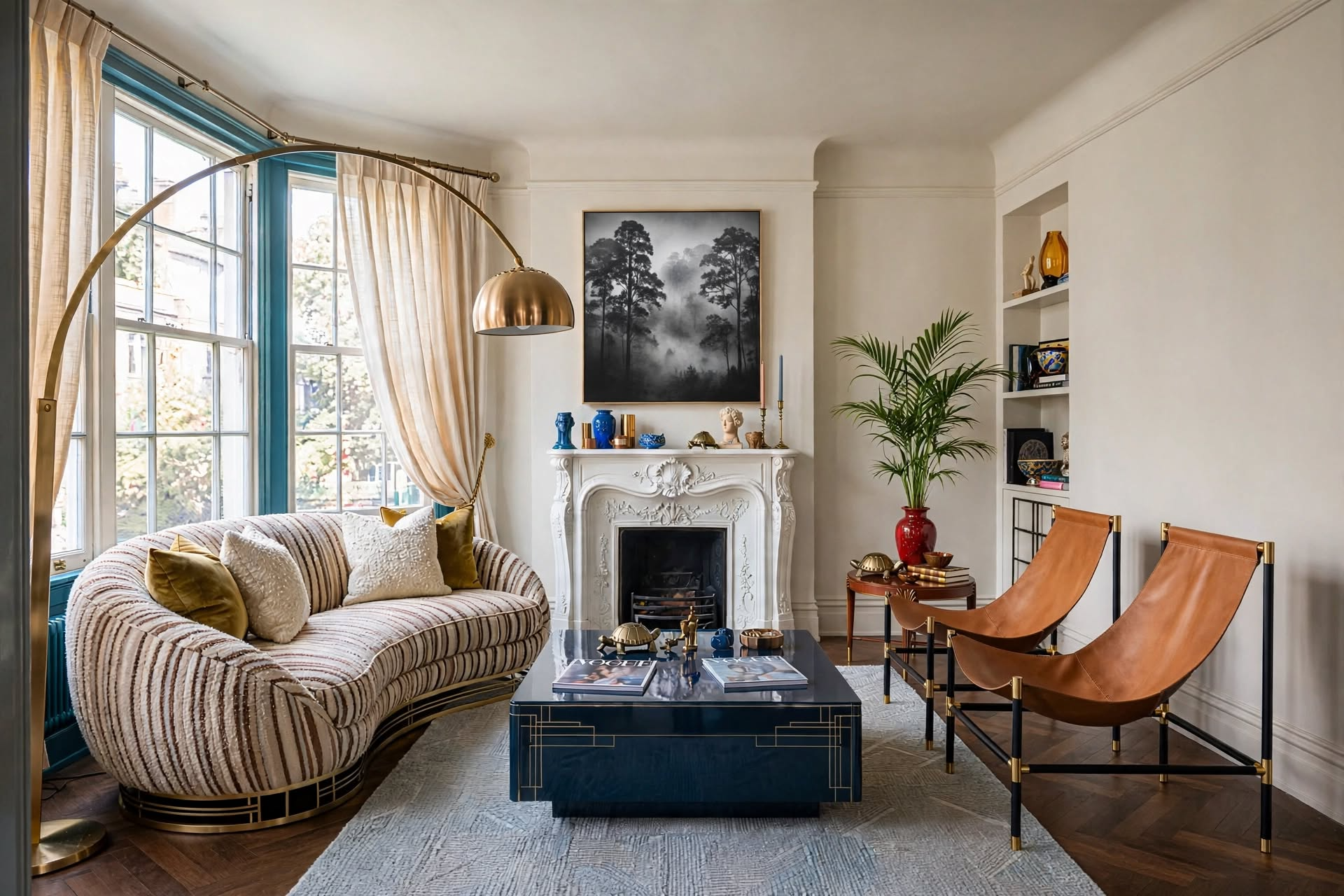
TL;DR Section: Decorating a tiny home professionally requires strategic furniture selection, vertical space maximization, and intentional color choices. By sourcing multi-functional pieces from Amazon and applying professional design principles, you can transform even the smallest amazon tiny home kit into a spacious-feeling, stylish sanctuary without hiring an interior designer.
Introduction: Decoreating a Tiny Home Step-by-Step
Decorating a tiny home shouldn’t feel like an endless game of Tetris with your belongings. If you’ve invested in an amazon tiny home kit and now find yourself staring at bare walls wondering how to make 200 square feet feel like an actual home—not a dorm room—you’re experiencing the exact frustration that keeps thousands of tiny home owners awake at night. The promise was freedom and simplicity. The reality? Paralysis over every furniture decision and fear that one wrong purchase will make your space feel even more claustrophobic.

Here’s the truth professional interior designers know: decorating a tiny home isn’t about sacrifice; it’s about strategy. The same principles that transform luxury apartments work in your compact space—you just need to know which rules to follow and which to break. This guide will show you exactly how to professionally decorate your tiny home using carefully vetted Amazon products that deliver designer results without the designer price tag.
I. Why Decorating a Tiny Home Requires a Different Approach

Professional tiny home decorating succeeds by treating every square inch as multi-functional real estate, prioritizing vertical space over floor space, and using visual tricks that make walls “disappear” rather than accepting spatial limitations.
When you’re decorating a tiny home—especially an amazon tiny home kit with predetermined layouts—you’re working within constraints that traditional interior design advice doesn’t address. Standard furniture scales are built for standard rooms. That oversized sectional might look cozy in a showroom, but it’ll devour your living area and make navigation impossible.
The professional approach starts with a mindset shift: furniture isn’t décor; it’s infrastructure. Every piece must justify its footprint by serving multiple functions. Your coffee table needs hidden storage. The bed should have drawers underneath or fold into the wall. Your dining table must convert or collapse when not in use.
💡 Pro Tip: Before buying anything for your tiny home, apply the “3-Function Test.” If a piece of furniture doesn’t serve at least three purposes (seating + storage + room divider, for example), it doesn’t earn its space.
You’ll Also Like: Amazon Tiny Home: Your Complete Buying Guide
II. The Foundation: Space-Saving Furniture That Doesn’t Scream “Budget”

Investing in modular, convertible furniture transforms your amazon tiny home kit from cramped quarters into a flexible living system where each room serves multiple purposes throughout the day.
Amazon’s furniture selection has evolved dramatically. Gone are the days when “affordable” meant “flimsy particle board.” When decorating a tiny home, focus on these categories:
Murphy Beds with Integrated Storage Systems: Wall beds have become sophisticated. Modern versions include desks that fold down, shelving units that frame the bed, and hydraulic systems that make conversion effortless. During the day, your bedroom becomes your home office or workout space.
Nesting and Expandable Tables: Look for dining tables that expand from 2-person breakfast nooks to 6-person dinner parties, then collapse back down. Coffee tables with lift-top mechanisms create instant workspaces without requiring a dedicated desk footprint.
Convertible Sofas with Storage: Skip futons. Modern sleeper sofas feature memory foam mattresses, hidden storage compartments beneath seats, and designs that don’t telegraph “this is where guests sleep.”
💡 Pro Tip: When shopping Amazon for your tiny home kit furniture, filter by “assembly required” and read reviews specifically mentioning “small apartment” or “tiny house.” These buyers have already stress-tested the proportions.
Don’t Miss This Trendy Post: How to Choose and Style a Mid Century Wall Unit That Transforms Your Living Space
III. Vertical Space Mastery: The Secret Pro Designers Use

Maximizing vertical storage in your tiny home through wall-mounted systems, floating shelves, and ceiling-height solutions can double your functional storage capacity without sacrificing a single square foot of floor space.
Here’s what separates amateur tiny home decorating from professional results: amateurs organize horizontally; professionals build vertically. Your amazon tiny home kit likely has 8-10 foot ceilings. That’s valuable real estate you’re ignoring if you stop at eye level.
The Vertical Strategy for Decorating a Tiny Home:
- Floor-to-ceiling shelving systems: Install narrow (8-12 inch) shelving units that reach the ceiling. Use lower shelves for daily items, upper shelves for seasonal storage.
- Wall-mounted drop-leaf tables: These fold flat when not in use, creating dining or work surfaces on demand without permanent furniture footprints.
- Hanging organizers: Over-door shoe racks work for pantry items, craft supplies, and bathroom products—not just shoes. Ceiling-mounted pot racks in kitchens free up entire cabinets.
- Lofted storage zones: If your tiny home has high ceilings, add a sleeping loft or storage platform. This creates distinct “rooms” through vertical zoning.
The psychology here matters too. Floor clutter makes spaces feel cramped because it interrupts sight lines. Wall-mounted storage keeps floors clear, allowing eyes to travel unobstructed across the room—creating the illusion of more space.
💡 Pro Tip: Use the “foreground-background” trick when decorating a tiny home: keep the first 3 feet from the floor relatively clear (just essential furniture), then go maximalist with wall storage from 3-8 feet. This creates visual breathing room.
You’ll Also Like: 5 Washable Area Rug Designer Secrets to Make Any Room Look Custom
IV. Color Strategy & Light Manipulation for Tiny Homes

Strategic color selection in tiny home decorating can visually expand your space by 30-40% through light reflection, color temperature manipulation, and intentional contrast placement.
Color psychology isn’t decorating fluff—it’s spatial engineering. When working with an amazon tiny home kit’s compact dimensions, your color palette becomes your most powerful (and most affordable) design tool.
The Professional Color Framework:
Walls: Stick to light neutrals (warm whites, soft grays, pale greiges) that reflect natural light. Contrary to popular belief, pure white can feel clinical in tiny spaces. Choose whites with warm undertones to maintain coziness while maximizing brightness.
Accent Strategy: Use the 60-30-10 rule, but reversed for tiny homes: 60% light neutral, 30% medium tones on textiles and moveable pieces, 10% bold accent color on the smallest items (throw pillows, artwork, decorative objects). This keeps the space feeling open while preventing visual boredom.
Ceiling Considerations: Paint ceilings the same color as walls, or one shade lighter. This eliminates the visual “cap” that makes rooms feel shorter.
Mirror Placement: Strategically positioned mirrors across from windows double natural light. Large floor mirrors (easily found on Amazon) lean against walls and reflect entire rooms, effectively doubling perceived space.
💡 Pro Tip: When decorating a tiny home, avoid busy patterns on large surfaces. Save patterns for small, moveable items. This prevents visual fragmentation that makes spaces feel chaotic and smaller.
Don’t Miss This Post: Calming Paint Colors: The Complete Guide to Creating Your Serene Home Sanctuary
V. Zoning Your Tiny Home: Creating “Rooms” Without Walls

Defining functional zones in an open-plan amazon tiny home kit through furniture placement, rug boundaries, and lighting layers creates psychological separation without sacrificing the spatial flow that makes tiny homes feel livable.
Open floor plans are a tiny home’s greatest asset and biggest challenge. Without walls, how do you signal “this is the bedroom” versus “this is the living room”? Professional decorating solves this through intentional zoning.
Zoning Techniques That Work:
- Furniture Orientation: Position your sofa perpendicular to the wall to create a natural room divider between living and sleeping zones.
- Area Rugs as Boundaries: Different rugs define different purposes. A plush rug under your bed signals bedroom; a durable jute rug anchors your dining table.
- Lighting Layers: Overhead lighting for general illumination, task lighting (desk lamps, reading lights) for specific zones, ambient lighting (string lights, candles) for relaxation areas. Each zone should have independent lighting control.
- Bookshelf Dividers: Open shelving units act as see-through walls, maintaining airflow and light while psychologically separating spaces.
- Curtain Systems: Ceiling-mounted curtain tracks allow you to “close off” the bedroom when guests visit or create privacy on demand, then disappear completely when not needed.
💡 Pro Tip: When decorating a tiny home, never push all furniture against walls. Floating furniture 6-12 inches from walls creates depth and makes rooms feel larger by adding layered sight lines.
You’ll Also Like: 10 Steps To A Minimalist Living Room: The Complete 2026 Design Guide

VI. Amazon Tiny Home Kit Essentials: Quality vs. Price Breakdown

When shopping Amazon for your tiny home decorating needs, understanding which items justify higher investment versus where you can save strategically will maximize both your budget and your space’s functionality.
| Category | Invest More | Save Here | Why |
| Seating | Convertible sofa with quality mattress ($800-1500) | Decorative accent chairs ($100-200) | You’ll use the sofa daily and guests will sleep on it; accent chairs are occasional use |
| Storage | Custom-fit shelving systems ($400-800) | Decorative baskets and bins ($20-50 each) | Permanent infrastructure needs durability; containers are easily replaced |
| Bedding | Murphy bed frame with hydraulics ($1200-2000) | Bedding sets and pillows ($150-300) | Mechanism failure is expensive; textiles are cosmetic |
| Lighting | Dimmable LED track system ($300-500) | Decorative lamps and fixtures ($30-80) | Good base lighting is infrastructure; decorative pieces are style updates |
| Kitchen | Compact appliances (combo units) ($600-1000) | Dishes and kitchen décor ($100-200) | Appliances in tiny homes must be reliable; décor is interchangeable |
The Amazon Advantage for Tiny Homes: Free returns on most furniture items mean you can test pieces in your actual space. Measure twice, order once, but don’t fear returning items that don’t work. Professional decorating often requires trial and error.
You’ll Also Like: The Ultimate Sofa Buying Guide: How to Choose the Perfect Couch in 2026
VII. The Storage Psychology: What to Keep, What to Purge

Successfully decorating a tiny home starts before you buy anything—it begins with ruthless inventory management where every possession must earn its place through frequency of use and emotional value, not guilt or “someday” thinking.
Here’s the uncomfortable truth about tiny home living: your amazon tiny home kit has roughly 15-20% of the storage space of a traditional home. You cannot decorate your way out of clutter. Professional tiny home design requires professional-level editing of possessions first.
The Tiny Home Possession Audit:
Apply the “90-Day Rule”: If you haven’t used an item in 90 days and it doesn’t have seasonal relevance or significant emotional value, it leaves. Be surgical. That bread maker you used twice? Gone. The “good china” for dinner parties you’ve never hosted? Gone. Those jeans from college you’ll fit into “someday”? Gone.
Strategic Storage by Category:
- Wardrobe: Implement a capsule wardrobe system. 30-40 versatile pieces max. Use slim hangers to maximize hanging space. Store off-season clothes in vacuum-sealed bags under the bed or in overhead compartments.
- Kitchen: Keep one set of multi-purpose tools. No single-use gadgets unless you use them weekly. Magnetic knife strips, hanging utensil racks, and stackable containers are non-negotiables.
- Sentimental Items: Digitize photos, scan documents, photograph heirlooms you can’t keep but want to remember. Keep only items that serve functional or display-worthy emotional purposes.
💡 Pro Tip: When decorating a tiny home, adopt the “one in, one out” rule permanently. Every new purchase requires removing something of equal or greater size. This prevents accumulation creep that undoes all your design work.
Trendin Post You Can’t Miss: The 15 Golden Rules of Interior Design for a Stunning Home
Most Popular Post:
Interior Design Style Quiz
Amazon Tiny Home: Your Complete Buying Guide
Create Your Perfect Ergonomic Home Office: A Complete Guide
Must-Have Accessories for Guys: The Secret to a Stylish Space
Modular Sofas for Small Spaces: Brilliant Solutions for Compact Living
VIII. Your Tiny Home Transformation Starts Now
Decorating a tiny home professionally isn’t about having unlimited funds or innate design talent. It’s about understanding spatial psychology, making strategic furniture investments, and having the courage to be ruthlessly selective about what enters your space.
Your amazon tiny home kit is a blank canvas with potential you haven’t yet unlocked. Every frustration you’re experiencing right now—the cramped feeling, the clutter accumulation, the sense that your space doesn’t reflect who you are—has a concrete solution. The difference between a tiny home that feels like a compromise and one that feels like a sanctuary comes down to the decisions you make in the next 30 days.
Your Next Steps:
- Measure everything. Sketch your floor plan with accurate dimensions. Knowing your exact square footage prevents costly purchasing mistakes.
- Audit your possessions. Be honest about the 90-Day Rule. What you remove matters more than what you add.
- Start with one zone. Don’t try to transform everything simultaneously. Master your sleeping area first, then move to the living zone, then kitchen storage.
- Bookmark this guide. Decorating a tiny home is iterative. You’ll reference these strategies multiple times as your space evolves.
The tiny home owners who love their spaces share one trait: they stopped viewing compact living as limitation and started seeing it as intentional curation. Your professionally decorated tiny home is waiting—it just needs you to make the first strategic decision.
Ready to transform your space? Start by measuring your largest wall and shopping for your first multi-functional piece. Your future self will thank you for taking action today.
Frequently Asked Questions About Decorating Tiny Homes
Q: Can I really achieve a professional look decorating a tiny home entirely with Amazon purchases?
A: Absolutely. Amazon’s furniture selection now includes brands that supply interior designers professionally. Focus on reviews mentioning quality, avoid the absolute cheapest options in any category, and prioritize brands offering solid return policies. The key isn’t where you shop—it’s knowing which specific products meet professional standards.
Q: How much should I budget for completely furnishing an amazon tiny home kit?
A: Plan for $3,500-6,000 for quality essentials (convertible sofa, Murphy bed or loft system, kitchen storage solutions, lighting, and textiles). You can phase purchases over 3-6 months. Start with sleep and seating, then layer in storage and décor. Trying to do everything at once often leads to impulse purchases that don’t work together.
Q: What’s the biggest decorating mistake tiny home owners make?
A: Choosing furniture based on price rather than proportions. A cheap full-size sofa will destroy your layout. A properly scaled loveseat costs more but actually allows you to live in and move through your space. The second biggest mistake is neglecting vertical storage until floor space is already overwhelmed.
Q: How do I make my amazon tiny home kit feel cozy without feeling cluttered?
A: Master the concept of “curated minimalism.” Use texture and layers (throw blankets, pillows, woven baskets) to create warmth, but keep quantities controlled. One beautiful piece of wall art makes more impact than gallery walls. Three well-chosen plants beat ten random ones. Quality and intention over quantity.
Q: Should I hire a professional designer for my tiny home?
A: Most tiny home owners don’t need full design services, which can run $2,000-5,000+. Instead, consider a 1-2 hour virtual consultation ($200-400) where a designer reviews your space, identifies your biggest challenges, and creates a prioritized shopping list. This hybrid approach gives you professional direction while keeping costs manageable.
Subscribe To the Newsletter!
Subscribe now for an endless feed of inspirational women’s cave decor ideas, pampering rituals, and more tips for curating your ultimate escape. Let’s start making your cozy refuge a reality – you so deserve this!
CATCH THE LATEST IN HOME DECOR TRENDS:
Steal These 16 Expert-Approved Decorating Secrets

Accessorize a Small Living Room: 7 Genius Styling Secrets

How to Make a Small Room Appear Bigger

How to Make Your Home Look Expensive
GET CAUGHT UP ON ALL THE INSPIRING DECOR TIPS:

Best Fireplace Makeover Ideas

How to Make a Gallery Wall: The Complete Step-by-Step Guide (Even If You’ve Never Hung a Picture)